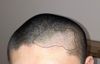
AH-001 is a new topical treatment designed to degrade androgen receptors, targeting the root cause of androgenetic alopecia without the side effects of oral treatments like finasteride. It has shown a strong safety profile and good local tolerability in early trials.
Blocking DHT is not a complete solution for hair loss; instead, altering the scalp's response to DHT may be more effective. Topical finasteride and minoxidil are current treatments, but future approaches may involve bioengineering, gene therapy, and inflammation control.
Peptides like GHK-Cu, BPC-157, and TB-500 have significantly reduced hair loss, with GHK-Cu being particularly effective. The discussion also covers the high cost of these peptides and explores more affordable purchasing options.
Increasing the sult1a1 enzyme on the scalp may improve response to topical minoxidil. The user suggests using a baking soda solution, DMSO, and tretinoin to enhance enzyme activity and minoxidil effectiveness.
User deciding between oral and topical minoxidil, concerned about hypertrichosis and myocarditis interaction. They're using topical finasteride, LLLT, natural oils, dermastamping, and scalp massage, and considering adding oral minoxidil.
Hair loss discussion mentions HMI-115 efficacy in 3 months after Phase II study. Users discuss treatment effectiveness and mention massive regrowth in previously bald areas.
Minoxidil's effectiveness varies due to genetic differences in the SULT1A1 enzyme, affecting how well it converts to its active form, minoxidil sulfate. Hyper-responders may experience rapid hair growth and increased side effects, such as pericardial effusion, even at low doses.
A 57-year-old man with male pattern hair loss and insulin resistance experienced hair regrowth and weight loss after using tirzepatide, without other hair treatments. Dysregulated glucose metabolism is linked to hair loss, with tirzepatide potentially improving hair density by normalizing insulin resistance.
The DHT itch is linked to hair loss and persists despite finasteride use; switching to dutasteride helped alleviate the itch and promoted regrowth. Some users suggest seborrheic dermatitis as a cause and recommend treatments like medicated shampoos, vitamin D, and minoxidil.
A user experienced increased testosterone and estradiol levels after starting finasteride/dutasteride and is asking if these levels will return to normal over time. The conversation focuses on whether these changes are temporary.
The user is experiencing one-sided diffuse thinning and has been using finasteride and liquid minoxidil for 4-5 years with minimal results. They are considering whether to save for a hair transplant or address scalp sensitivity and irritation first.
The user has been using topical finasteride for seven months and minoxidil for three years, with added tretinoin gel for ten months, and is experiencing continuous shedding without signs of regrowth. They are questioning if the amount of shedding is normal at this stage of treatment and if there's a correlation between finasteride response and the rate of hair loss.
Eli Lilly's drug baricitinib showed effectiveness in treating alopecia areata, with higher doses resulting in significant hair regrowth compared to placebo. The treatment is not for male pattern baldness.
The user has DUPA and suspects autoimmune activity as a cause. They have tried various treatments including finasteride, minoxidil, dutasteride, pyrilutamide, estrogel, hydrocortisone, and clobetasol, and are now seeking a long-term immunosuppressant.
The user experienced severe side effects with topical finasteride, continued using Minoxidil, and was advised to try topical dutasteride after a test suggested they might not respond to finasteride. They are hesitant to start the new treatment due to past side effects.
The conversation discusses hair loss treatments, focusing on reducing scalp itching and dandruff using natural shampoos, witch hazel, and apple cider vinegar. The user also mentions using finasteride and observing potential regrowth, though it's difficult to confirm.
A 25-year-old male experiencing diffuse thinning is advised to address high TSH levels and low iron, and consider treatments like finasteride. Weight loss and improved diet are also suggested to potentially help with hair health.
The conversation discusses the effects of using Tongkat ali and dioscorea to raise DHT levels, leading to increased body hair growth and an itchy scalp, without causing hair loss. The discussion also debates the role of DHT in male characteristics and its impact on sexual function, with differing opinions on its importance and effects.
The conversation discusses that dutasteride may be more effective than finasteride for frontal hair loss due to higher 5ar Type 1 enzyme activity in that area. Some users question the validity of this information, while others confirm it with additional sources.
Oral minoxidil is more effective than topical for some users, increasing hair density and thickness. Lack of response to topical minoxidil may be due to insufficient sulfotransferase enzyme, which can be upregulated with tretinoin.
Increased Malassezia and Cutibacterium in the scalp microbiome are linked to higher sebum production and inflammation in androgenetic alopecia (AGA). Treatments include ciclopirox shampoo, benzoyl peroxide shampoo, clobetasol propionate, calcipotriol, minoxidil, finasteride, and dutasteride.
Kintor apologized for using misleading images in their advertisements and promised stricter review processes. They are also considering developing a topical dutasteride formulation.
Some people saw improved hair growth when adding tretinoin to their topical minoxidil routine. They combined the two by applying tretinoin before minoxidil.
Genetic factors, enzyme activity, and DHT sensitivity affect individual responses to hair loss treatments like finasteride, minoxidil, and dutasteride. Starting treatments early can slow hair loss, but results vary among individuals.
A 29-year-old male on 1 mg Finasteride for 3 months has experienced a significant increase in testosterone and estradiol levels, with no major side effects except slightly oilier skin and increased emotional sensitivity. The user is concerned about these hormonal changes and seeks advice, as their general practitioner is not knowledgeable about the issue.
A user with alopecia totalis, borderline universalis, seeks advice on getting into a Xeljanz trial or appealing insurance for coverage. They experienced significant hair regrowth but are now seeing hair loss again and want to try Xeljanz.