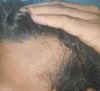
The user experienced excessive bleeding during microneedling after consuming caffeine and THC, and is unsure if they should continue with the same routine. They are seeking advice on whether the bleeding is a cause for concern.
Woman uses antiandrogens for hair thinning prevention, experiences severe dry eye with finasteride. Asks if dutasteride could be better despite potential for worse dry eye.
Cyclosporine A is discussed as a powerful hair growth stimulant, potentially more effective than minoxidil, but concerns about safety and side effects, including cancer risk, limit its use. The conversation highlights the need for further research and experimentation with topical application, despite its risks.
Rapamycin, finasteride, and minoxidil are discussed as a strategy for hair loss prevention and reversal. Pulsed dosing of rapamycin is suggested to avoid conflicting effects with minoxidil.
Treating hair loss with various remedies, such as Cetirizine and the Big3 complex (minoxidil, finasteride, and RU58841), which have properties like adipogenic, anti-fibrotic and anti-inflammatory. References to research studies are also included.
The user experienced gynecomastia from finasteride, used raloxifene to treat it, and is now taking both without new gyno symptoms but also without hair regrowth. They are seeking others' experiences with this combination and its effects on hair.
Concerns about the potential systemic effects and safety of PP405 for hair loss, with discussions on its comparison to existing treatments like finasteride and minoxidil. Users express skepticism about untested research chemicals and emphasize the importance of clinical trials to ensure safety and efficacy.
Anti-inflammatories like curcumin, quercetin, and vitamin E may help with hair loss when used alongside treatments like finasteride and dutasteride. Ketoconazole is also noted for reducing scalp inflammation and improving scalp health.
A potential new hair loss treatment, HMI-115, and the possibility of discontinuing finasteride in favor of it. The conversation also includes discussion about other benefits of using finasteride.
The conversation is about using Vitamin B5, B6, and Biotin for hair health, with a focus on whether to take these supplements separately when using topical finasteride products. One user dismisses the effectiveness of multivitamins.
The conversation discusses using PGE2 as a hair growth stimulant, comparing it to minoxidil, and considering the addition of Setipiprant. Concerns about side effects like skin damage and cost are also mentioned.
The user's experience with hair loss, their doctor explaining that they were likely hyper aware of thin spots due to anxiety and an underlying whorl in one area, and providing encouragement for those feeling discouraged. Treatments mentioned include minoxidil and spironolactone.
The conversation discusses the potential effectiveness and risks of using topical finasteride for hair loss, with considerations about using DMSO as a vehicle for application. Concerns are raised about DMSO's safety, absorption issues, and the systemic effects of topical finasteride.
The user experienced side effects like shallow breathing, loss of libido, and erectile issues after using topical finasteride with minoxidil for hair loss. They are considering whether to continue the treatment despite these side effects.
Gizzela is unsure about the dosage and frequency of copper peptides and asks if they can be used with Stemoxydine. They seek advice on applying these treatments together.
The conversation is about managing an itchy, flaky scalp, possibly due to psoriasis, and the use of a hydrating conditioner to address dryness. The user is concerned about using conditioner due to experiencing telogen effluvium.
The user is concerned about high LH and estradiol levels after using finasteride but reports no side effects. They are seeking advice on whether these levels are concerning despite feeling fine.
The conversation is about a female experiencing hair loss and seeking advice on why it's difficult to regrow hair. Specific treatments like Minoxidil, finasteride, or RU58841 are not mentioned.
Fluridil may decrease the number of androgen receptors in hair follicles by up to 95%. This suggests a different action mechanism from other non-steroidal antiandrogens like RU58841, indicating they might be used together.
Hair loss theory involves 3alpha-hydroxysteroid reductase (3AHD) converting DHT to androstenol. Discussion explores potential treatments and encourages more research.
The user experienced hair thinning and was diagnosed with alopecia incognito and male pattern baldness. They are using minoxidil, finasteride, and dutasteride scalp injections, reporting gradual improvement with no side effects.
PP405 shows initial promise for treating androgenetic alopecia, with safety confirmed in early trials, but skepticism remains due to limited data. Further trials are needed to determine its true efficacy and potential market impact.
The user shared impressive hair regrowth progress after 3 months using topical finasteride and minoxidil, noting initial libido reduction that normalized. Other users discussed lighting differences in photos, shared personal experiences, and emphasized the importance of consistency for continued results.
A user diagnosed with lymphoma is advised to stop finasteride during chemotherapy, with suggestions to consider treatments like Dutasteride and Minoxidil post-recovery. The focus is on prioritizing health over hair loss, with encouragement and advice from others who have experienced similar situations.
A user is experiencing rapid hair loss and has been diagnosed with telogen effluvium by multiple dermatologists, but doubts the diagnosis due to the severity and speed of the hair loss. They are considering various treatments like spironolactone, estradiol, and possibly finasteride, while also exploring the possibility of hormonal imbalances or autoimmune issues.
The conversation discusses whether adapalene (Differin) increases sulfotransferase like tretinoin does, in the context of combining it with minoxidil for hair treatment. The responses indicate that adapalene does not have the same effect as tretinoin.
The user has tried various hair loss treatments including topical minoxidil, oral finasteride, oral dutasteride, oral minoxidil, and exosome therapy, but none have been effective. They suspect trichodynia might be preventing these treatments from working.
The user plans to use a combination of tretinoin, topical minoxidil, and topical finasteride for hair loss treatment. They seek advice on application order, timing, and tretinoin dosage.