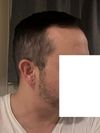
The user is pleased with their hair transplant results after six months and seeks feedback. The conversation is positive, with others affirming the success of the procedure.
Low-Level Laser Therapy (LLLT) for hair loss is effective but requires consistent use and device replacement every 1-2 years. The treatment is costly, and results may not be permanent without continued use.
The user is using RU58841 for hair regrowth on the temples and is considering adding minoxidil. They are questioning the potential for vellus hairs to develop into fuller hair and the possibility of reactivating dormant follicles.
A user shared their positive experience with the Omnilux Red Light mask for skin and potential hair benefits, while also using Minoxidil, Dutasteride, and RU58841. They recommend the mask for those interested in skincare and red light therapy, despite being unsure of its effectiveness for hair growth.
PP405 shows initial promise for treating androgenetic alopecia, with safety confirmed in early trials, but skepticism remains due to limited data. Further trials are needed to determine its true efficacy and potential market impact.
The conversation discusses a user's experiment of "burning the scalp" to treat hair loss, with mixed opinions on its effectiveness. Some suggest returning to proven treatments like finasteride and minoxidil, while others note slight improvements in hair density.
A double-blind clinical study that found ingestion of tocotrienols resulted in a 34.5% increase in hair regrowth compared to the placebo group, and discussion about potential side effects and cost of supplementation with vitamin E pills. The conversation noted that it may be more effective than commonly used treatments like minoxidil and finasteride.
The conversation is about the anticipated release date of phase II results for a hair loss treatment called GT20029 and the cautious optimism surrounding it due to past disappointments with similar treatments. Users expect an update in the next few months.
A user shared their experience using capsaicin from chili peppers and occasional topical minoxidil to promote hair growth, noting noticeable improvements without significant side effects. They previously experienced side effects from dutasteride and minoxidil but found the new regimen effective and manageable.
The conversation is about recommendations for Copper Tripeptide-1 solutions to enhance hair loss treatment, with a focus on using Reviv Hair Serum alongside LLLT therapy. The user also discusses using Minoxidil, RU58841, and other compounds to manage hair shedding and improve hair thickness.
The user has been using finasteride successfully to stop hair shedding and is considering using topical minoxidil for regrowth but is concerned about being a non-responder and potential negative effects. They are cautious about using oral minoxidil due to past heart issues and are exploring other methods like tretinoin cream and dermarolling, though they worry about possible skin damage.
Red light therapy is scientifically proven to promote hair growth by increasing strand density and thickness, and it's an additional treatment to DHT blockers like minoxidil and finasteride. Some users are skeptical about the cost and effectiveness of commercial devices, despite studies showing benefits.
Male pattern baldness (MPB) may be an early warning sign for type 2 diabetes due to its association with insulin resistance. Treatments discussed include testosterone therapy and finasteride, which affects hormone levels related to hair loss and insulin sensitivity.
The user experienced hair repigmentation and attributes improvements in hair and overall health to a carnivore diet, Boron, and Selenium supplementation. They stopped using finasteride after 20 years, noticed increased testosterone and libido, and observed hair regrowth with RU58841.
The user is considering adding low-level laser therapy (LLLT) to their hair loss treatment routine, which already includes minoxidil, finasteride, and microneedling. They are debating between purchasing a cheaper LLLT device or investing in a more expensive, clinically-backed option, with concerns about the effectiveness and specifications of cheaper models.
PP405 shows promise in hair regrowth, with 31% of participants experiencing over 20% increase in hair density after 8 weeks. Phase 3 trials are expected in 2026, with potential market availability by 2029-2031.
PP405, a topical LDH inhibitor, has shown to stimulate hair follicle stem cell proliferation in humans with moderate hair loss. They are advancing to more detailed trials this year.
A user experienced hair regrowth after 3 months using finasteride, both topical and oral minoxidil, 0.5mm microneedling daily, and 300mg testosterone. They reported noticeable muscle gains and no side effects while being on testosterone replacement therapy.
User discusses trying Low Level Laser Therapy (LLLT) for hair loss and its high cost. Another user shares their experience combining micro needling, minoxidil, and LLLT, seeing positive results after 2 months.
PP405 shows promise in stimulating new terminal hair growth by activating dormant follicles, with no systemic adverse effects observed in a short-term trial. However, long-term efficacy remains unproven, and further trials are needed to confirm its potential as a hair loss treatment.
A user had a bad reaction to Finasteride, experiencing anxiety and fatigue, and is seeking alternative hair loss treatments since they can't use Finasteride or Minoxidil. Suggestions include trying low doses of Finasteride, making a topical version, or using other treatments like Alfatradiol, but the user is hesitant to use Finasteride again and is considering a hair transplant.
Users discussed the effectiveness of Everychem's solution, similar to PP405, with some reporting improved hair thickness and new growth. Concerns were raised about safety and the legitimacy of the product, with some users advising against purchasing research chemicals.
The conversation discusses the mechanism of action of alfatradiol (17 alpha estradiol) in treating hair loss. It explores theories that it either inhibits 5 alpha reductase to prevent T->DHT conversion or aromatizes scalp T into 17-alpha-estradiol to save hair.
Adding tretinoin to minoxidil may help non-responders but likely won't improve results for those already responding to minoxidil. The user plans to try tretinoin with minoxidil and finasteride to see if it enhances hair regrowth.
A 33-year-old male is documenting his hair regrowth progress using minoxidil, red light therapy, copper peptides, and micro-needling, with noticeable improvement in hair thickness and coverage. He plans to add a topical finasteride/minoxidil spray and aims for a shadow on his scalp rather than a full head of hair.
The conversation is about the results of using hormone replacement therapy (HRT) with estrogen and finasteride for hair loss, and switching from finasteride to bicalutamide as an anti-androgen treatment. The user shared before and after photos to discuss the effectiveness of these treatments.