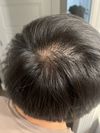
The conclusion of the conversation is that dying the hair can be an effective method for managing hair loss, particularly for those with diffuse thinning.
User experienced hair loss from Norwood 3.5 to Norwood 5 with diffuse thinning after using a hair system for 2 years. Tried Redensyl, Capixyl, Bicapil, Biotin, multivitamins, Fin, and Min without significant improvement, seeking advice for hair recovery.
A 28 year old male experiencing diffuse thinning, chronic dandruff and scalp crust (seborrheic dermatitis), with replies discussing the use of topical fin for hormone imbalances and Nizoral for seb derm.
The user is experiencing hair loss and has tried natural remedies like hibiscus shampoo and an oil mixture with coconut oil, curry leaves, fenugreek seeds, and castor oil, but saw no lasting improvement. They are advised to consult a dermatologist and consider treatments like finasteride, minoxidil, and Nizoral shampoo.
Hair loss causing distress during physical interaction; treatment for a year not effective. Options discussed: accept new normal or explore other treatments.
The user is experiencing hairthinning and receding sides and is seeking advice on starting finasteride and minoxidil. They are asking about dosage, whether to use oral or topical minoxidil, and for brand recommendations.
Beta blockers may cause hairthinning as a side effect. The user is concerned about this and seeks others' experiences with hair loss while using beta blockers.
Scalp inflammation may contribute to hairthinning, with treatments like ketoconazole shampoo potentially helping by reducing inflammation. Some users report that DHT blockers and other treatments like finasteride, minoxidil, and RU58841 can alleviate symptoms associated with inflammation.
Iron supplements can help improve hairthinning and brittle skin, but recovery time varies based on individual factors like ferritin levels and absorption rates. Regular blood tests are recommended to monitor ferritin and iron levels.
A 21-year-old seeks advice on how to present hairthinning to a dermatologist to obtain a finasteride prescription. Suggestions include showing visible signs of thinning, bringing photos, and considering telehealth services.
A 17-year-old is frustrated with hairthinning and receding temples, seeking advice after a dermatologist dismissed concerns. Suggestions include starting Minoxidil for regrowth and considering Finasteride if androgenetic alopecia is suspected.
A 20-year-old is experiencing hairthinning due to vitamin D deficiency and has completed a vitamin D prescription without seeing improvement. Suggestions include waiting a few months for potential regrowth or considering treatments like minoxidil or finasteride for androgenetic alopecia.
A 27-year-old is experiencing hairthinning and plans to consult a dermatologist for advice. No treatments like Minoxidil, finasteride, or RU58841 have been used yet.
The conversation is about hair loss treatments. The user considers natural remedies but is advised that finasteride, dutasteride, and minoxidil are more effective.
The individual is experiencing hair loss due to insulin resistance (IR) and is seeking advice. They are currently using a keto diet, supplements, exercise, and plan to add metformin to their regimen.
A 21-year-old male experiencing hairthinning started using Minoxidil, which stopped his shedding and led to the growth of vellus hairs on his temples. He is considering whether to add finasteride to his routine, which currently includes Minoxidil, derma rolling, ketoconazole shampoo, vitamin D3, zinc, and a rosemary and fenugreek lotion.
A 27-year-old male experienced limited success with Dutasteride and topical Minoxidil for hair loss and eyebrow thinning, with side effects like decreased libido and erectile dysfunction. He is considering oral Minoxidil but is concerned about side effects, and is advised to try ketoconazole for possible dermatitis and monitor vitamin D levels.
A user's experience with hair loss regrowth, achieved through the use of 1mg finasteride, 5% Minoxidil, an essential oil blend, and microneedling once per week, as well as other treatments like warm water washes, baby shampoo, and OGX coconut conditioner. Other users shared their experiences with similar treatments and congratulated the original poster on his results.
Castor oil is being considered for hairthinning, with some users noting it may prevent hair breakage but not affect DHT-related hair loss. Some users report mixed results, with one mentioning increased body hair growth from oral consumption.
The user is unsure if their hairthinning is due to fungal infection/inflammation or genetic factors and is hesitant to start Minoxidil, finasteride, and RU58841. They are currently using Ketoconazole 2% and triamcinolone acetonide and are concerned about potential side effects from other medications.
A 20-year-old male experiencing hairthinning uses 1mg finasteride and 2.5mg minoxidil daily, and seeks styling advice to hide frontal scalp thinning. Recommendations include using hair powder, mousse, sea salt spray, and matte clay, along with specific styling techniques like blow-drying and using a detangling brush.
Ro mane spray, containing finasteride, minoxidil, and tretinoin, is discussed as a topical treatment for thinninghair. Users believe it should be effective due to its ingredients.
Hormone replacement therapy with spironolactone and estradiol significantly improved hair thickness and growth, surpassing previous treatments like dutasteride, finasteride, and minoxidil. The user experienced regrowth in receded areas and a more youthful appearance.
A user with thinning, curly, dry hair is seeking affordable shampoo and conditioner recommendations. They are using oral minoxidil and apply argan oil, but dislike products with keratin and biotin, and another user suggests ketoconazole shampoo for added density and DHT blocking.
Hair loss and the various treatments available, including finasteride, minoxidil, dutasteride, dermarolling, RU58841, mesotherapy, Rogaine, and scalp massages. The discussion also includes regret for not starting treatment earlier and advice to start early in order to avoid further balding.
A 43-year-old is experiencing hairthinning and is considering hair loss treatments. They are hesitant to use topical Minoxidil due to its toxicity to pets and oral Finasteride due to concerns about side effects, and are exploring alternatives like topical Finasteride, oral Minoxidil, or microneedling.
A 17-year-old is experiencing hairthinning all over, possibly due to low vitamin D levels. They are advised to consider vitamin D supplementation and check other factors like iron or thyroid function.
The conversation suggests waiting a few years before considering a hair transplant, as the current treatments (finasteride, oral minoxidil, PRP, and microneedling) may still yield results. Many recommend continuing with the current regimen and possibly adding dutasteride if necessary, while others advise against rushing into a transplant at 18.
A user noticed that after using finasteride and a regrowth spray, their new hair strands are all black, unlike their previously white hair. They are puzzled by this change and seek an explanation.