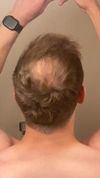
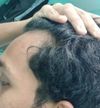
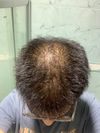
Minoxidil, finasteride, and RU58841 are discussed as treatments for reducing hairthinning. The conversation focuses on the effectiveness of these ingredients in addressing hair loss.
A product with Minoxidil, finasteride, and RU58841 may help with hairthinning, but effectiveness varies, especially in aggressive cases. More potent treatments might be necessary for severe androgenetic alopecia (AGA).
The conversation is about a 21-year-old male inquiring about the effectiveness of exosome therapy for hairthinning on the crown and considering whether to start Minoxidil while already on Finasteride and having had exosome injections 15 days ago.
The user has tried finasteride, oral minoxidil, iron supplements, vitamin D, and vitamin B12, but their hair is still thinning after 5 years. Another user suggested trying dutasteride.
An 18-year-old is experiencing severe hair loss and dandruff, feeling stressed and unable to commit to Minoxidil or handle finasteride side effects. They have tried natural oils, anti-hair fall shampoo, and consulted a dermatologist without success, and are seeking affordable treatment options.
User decided to get hair transplant and is happy with results. Others compliment the change and suggest hair loss concealers or SMP for further improvement.
The post and conversation discuss the unpredictable nature of diffuse thinning, a type of hair loss. Users share personal experiences, with some mentioning treatments like oral finasteride and toppik, and the need for patience with these treatments.
The conversation discusses various hair loss treatments, highlighting Advanced Trichology Topical Melatonin Hair Growth Serum, hers Minoxidil Foam, Keranique Hair Regrowth Treatment, Nioxin 5% Minoxidil, Virtue Minoxidil 5%, and Rogaine Women's 2% Minoxidil. One user suggests that the list may be influenced by sponsorship and emphasizes that minoxidil is commonly recommended but doesn't address the root cause of hair loss like finasteride or dutasteride.
The user switched from finasteride to dutasteride and experienced hairthinning, which is expected during the transition. They are using ketoconazole shampoo, considering dermarolling, and adding topical minoxidil to their routine.
A 26-year-old male from England is experiencing rapid hairthinning despite taking finasteride and having tried oral minoxidil and microneedling. He is considering topical dutasteride and seeking advice on his hair loss treatment.
After 12 years of success with oral finasteride and topical minoxidil, the user is experiencing hairthinning and scalp discomfort. They are considering options like switching to oral minoxidil, adding dutasteride, or using ketoconazole shampoo, topical caffeine, rosemary serum, and supplements.
A person with hair loss since COVID-19 is considering treatments like finasteride and minoxidil but is hesitant due to potential side effects. Suggestions include visiting a dermatologist, using a ketoconazole shampoo, and considering that post-COVID hair loss might be an autoimmune response.
A user seeks advice on treatments for his mother's hair loss, considering Minoxidil, Finasteride, and shampoos. The mother is being monitored for breast cancer, which may be relevant.
A man struggled with hair loss from age 18, tried various methods without success, and finally sought medical help at 23. He was prescribed oral finasteride, topical minoxidil, and Nizoral shampoo, which after two years of consistent use, significantly improved his hair condition.
A 32-year-old male with Norwood 3 and heavy diffuse thinning is starting a hair loss treatment including RU58841, Minoxidil, finasteride, derma rolling, vitamins, and possibly MK677, while cutting out most sugars from his diet. He plans to share progress photos and updates on his test levels.
A 26-year-old male is considering starting the "Big 3" treatments for hairthinning, which include Minoxidil, finasteride, and RU58841, and is unsure whether to begin these treatments or consult a dermatologist first.
A 31-year-old man shares his 4-month hair regrowth progress using topical minoxidil, topical finasteride, microneedling, biotin, and other supplements. He reports new hair growth despite experiencing side effects from finasteride and plans to continue his regimen for further improvement.
This user is considering using Finasteride and Minoxidil to treat their hair loss, with various opinions being shared about the effectiveness of each treatment. Others suggest that Micro-needling might also be an option for them.
The post humorously discusses an exaggerated hair loss treatment regimen including minoxidil, finasteride, microneedling, and "demon blood." Replies joke about the regimen and suggest alternative sources for "demon blood."
A 26-year-old male has been using 1 mg finasteride daily for two years, which has stabilized his hair loss but not fully stopped thinning. He is considering adding oral minoxidil but is concerned about potential cardiovascular side effects.
The user shared a one-year progress of treating hair loss with finasteride, minoxidil capsules, and rosemary oil, and also improved mental health by addressing childhood trauma and changing negative thought patterns. Commenters congratulated the user on both hair regrowth and mental health progress, with one asking for advice on overcoming self-hatred and low confidence.
A private clinic suggests starting with topical Minoxidil only, raising concerns about DHT blocking and potential side effects of Finasteride. The user is considering whether to follow this plan or use a combination of Minoxidil and Finasteride for hairthinning.
A male experiencing crown and frontal baldness, along with overall hairthinning, is considering starting topical minoxidil and oral finasteride. He seeks advice on dosages, potential side effects, application tips, and whether to consult a dermatologist before beginning treatment.
Using a blunt tip syringe is an effective method for applying liquid topicals like minoxidil and RU58841, especially for those with thick or long hair experiencing diffuse thinning. The user found significant hair regrowth and increased density after using these topicals for less than three months.
The user has been using finasteride for 18 months, minoxidil for 20 months, and recently added tretinoin, nizoral, and dermarolling to their hair loss treatment without success. They are seeking new suggestions for treating persistent hair fall and thinning.
The user experienced hairthinning despite using finasteride and switched to a ketoconazole shampoo without sulfates to address scalp itching and dandruff. They hope this will stop further hairthinning.
The user experienced hairthinning and was diagnosed with alopecia incognito and male pattern baldness. They are using minoxidil, finasteride, and dutasteride scalp injections, reporting gradual improvement with no side effects.
The user is experiencing hairthinning and plans to use minoxidil and finasteride spray from Hims, while currently using minoxidil foam. They are advised to treat possible seborrheic dermatitis and consider scalp health for hair loss improvement.