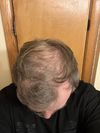
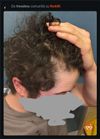
Minoxidil is often applied once or twice daily for hair growth, but many find it inconvenient and switch to once daily or oral minoxidil for ease. Some users combine it with finasteride for better results, despite potential side effects.
Pelage Pharmaceuticals' PP405, a new hair loss treatment, was recognized by Time Magazine as one of the best inventions of 2025. The conversation expresses optimism about the recognition of this in-development treatment.
The user has been using oral finasteride, oral and topical minoxidil, RU58841, and microneedling to treat hair loss, with recent additions of oral dutasteride, GHK-Cu serum, and increased microneedling. They report visible thickening and new hair growth, expecting significant improvement by next June.
The user experienced significant hair growth using topical minoxidil 5%, finasteride 0.1%, and a 0.5 mm dermaroller weekly. They reported no side effects and are pleased with the results after 2.5 months.
Switching from topical to oral minoxidil may cause initial hair shedding, but oral minoxidil is likely more effective. Shedding should be temporary, and results should be monitored over a few months.
PP405 may revive dormant hair follicles but is unlikely to help with long-term baldness where follicles are replaced by scar tissue. It is seen as a potential adjunct to treatments like minoxidil and finasteride, but its effectiveness on deeply fibrotic or scarred areas is doubtful.
The user is considering switching from oral to topical minoxidil due to lack of improvement and side effects, while continuing with dutasteride or finasteride. They seek advice from others with diffuse thinning.
A 25-year-old noticed thinning hair at the temples and started using finasteride (1mg/day) for two months, along with keto shampoo twice a week and vitamins like vitamin D, biotin, and zinc. They are seeing some results and are hopeful about regaining lost hair.
A user is experimenting with a homemade solution of WAY-316606 for hair regrowth, combining it with other treatments like minoxidil and dutasteride. The community expresses concern over the safety and mental health implications of such drastic measures, with mixed opinions on the effectiveness of WAY-316606.
Spironolactone can remain effective for a long time in treating androgenetic alopecia, but it may not completely stop hair loss. Hair loss treatments like spironolactone, finasteride, and dutasteride slow down hair loss rather than cure it, and their effectiveness can vary based on individual response and the aggressiveness of the condition.
David Lynch is remembered for his impressive hairline, sparking discussions about genetics and hair loss. Users humorously speculate on hair loss treatments and genetics, mentioning names like Minoxidil and finasteride.
Hair loss treatments like finasteride, minoxidil, and RU58841 are becoming more known, but many remain unaware of their effectiveness. There is hope for future advancements despite skepticism and misconceptions about current treatments.
The user has been using finasteride and minoxidil for 5 years to prevent hair loss and is considering adding dutasteride for regrowth or opting for a hair transplant. Suggestions include trying dutasteride, oral minoxidil, microneedling, and possibly a hair transplant for better results.
The user shared their hormone levels over time while using finasteride and dutasteride for hair loss. They experienced a significant drop in DHT levels but continued to lose hair, hoping for better results in the future.
If oral minoxidil 2.5mg and finasteride 1mg fail after a year, some suggest trying dutasteride. Hair shedding can be normal in the first year, and real changes often occur between 9 months to a year.
The conversation humorously discusses hair loss treatments, specifically mentioning the use of finasteride, minoxidil, and RU58841. The tone is satirical, with the user playfully referring to themselves as a "finasteride D-rider."
A 24-year-old male experienced hair loss despite using minoxidil and finasteride, later switching to dutasteride, higher-dose minoxidil, iron supplements, and derma stamping, which initially improved his condition. However, after moving to a stressful environment and undergoing minor surgery, his hair loss rapidly increased, particularly on one side of his temple.
The conversation humorously suggests that a character named Finn from "Adventure Time" is named after finasteride, a hair loss treatment, and jokes about a correlation between the character and hair loss. Specific treatments mentioned are finasteride (Fin).
The conversation discusses using minoxidil for hair loss, with one person restarting treatment and combining it with tretinoin, and another person seeing improvement by adding microneedling.
A user reports hair loss despite using minoxidil and plans to increase their oral minoxidil dose gradually while also taking finasteride, dermarolling weekly, and applying topical stemoxydine nightly. They shared a link suggesting that increasing minoxidil dosage can improve hair growth and thickness.
A user is considering using RU58841 to treat hair loss and asks if it can be effective for 4-5 years. Some suggest starting with a lower concentration and debate the safety of RU58841 compared to approved drugs like finasteride.
Chris Bumstead got a hair transplant at Now Hair Time, and the discussion focuses on why he chose a less reputable clinic despite having the means for a better one, with some suggesting it was for financial gain. The conversation also touches on concerns about the naturalness of the hairline and the potential impact of his steroid use on the transplant's success.
The conversation is about the appropriate wait time to apply topical finasteride after microneedling to prevent it from going systemic. The user is combining finasteride with minoxidil and is unsure whether to wait 24 or 48 hours after microneedling before applying the treatment.
A person realized they were balding when their sister pointed it out and is now using a combination of hair loss treatments including finasteride, minoxidil, microneedling, and plans to add dutasteride and RU58841. Others in the conversation emphasize the importance of honesty about hair loss and caution against an overly aggressive treatment regimen, especially before a hair transplant.
A user's experience with using Fin for hair loss, which includes shedding and regrowth, potential side effects, and the use of supplements, protein, and exercise as additional treatments.
A user's 15-month experience with oral finasteride, minoxidil, zinc and vitamin C, caffeine, and microneedling as treatments for hair loss, which has yielded impressive results. Suggestions were made to stack a topical DHT blocker with the finasteride or increase the microneedling regimen, and it was suggested to re-evaluate at the two year mark.
People switching from Finasteride to Dutasteride after long-term use of finasteride and their results, including hair maintenance and increased thickness.
A user sharing their hair restoration results after taking finasteride for 12 months and minoxidil orally for 3 months; other users responding with questions and comments about the treatments used.