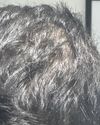
The user is using RU58841, finasteride, dutasteride, and minoxidil to slow down aggressive hair loss but is still experiencing hair shedding due to high testosterone levels. They plan to use ostarine to lower testosterone and prevent hair loss while maintaining muscle mass, and will continue using the other treatments.
Pyrilutamide, a new drug being tested to combat hair loss that has been found to perform comparably or better than finasteride and dutasteride in the initial 6 months of treatment with minimal reported side effects.
User shared progress with RU 58841, Minox, and Dutasteride 3 times a week for hair loss. Others noticed improvements and expect great gains over the next year.
The conversation discusses an 8.5-month progress of using Minoxidil, Finasteride, and RU58841 for hair loss. People are complimenting the user on the significant improvement in hair thickness.
User experienced feminizing side effects from finasteride and tried RU, alfatradiol, and finasteride without success. They are now considering treatments like Stemoxydine, Zix, Minoxidil, Dermarolling, Eucapil, and a hair transplant.
The conversation discusses the side effects of finasteride, including low libido and erectile dysfunction, and the possibility of these effects being permanent, known as post-finasteride syndrome (PFS). Some users report personal experiences with PFS and debate whether the condition is real, with varying opinions on the reversibility of side effects and the role of individual biology.
Hair regrowth treatments for cis-males include Minoxidil, Finasteride, and RU58841. Estrogen and testosterone blockers can help restore hair loss but may not suit everyone.
Concerns about finasteride's side effects on neurosteroids and brain health, with skepticism towards Kevin Mann's advice. Users discuss using finasteride, minoxidil, and RU58841 for hair loss, with mixed opinions on their safety and effectiveness.
Hair loss is primarily caused by genetic sensitivity to DHT, not lifestyle factors like diet or exercise. Treatments like Minoxidil and Finasteride can help, but it's important to consult a dermatologist to determine the best approach for individual cases.
Hair loss treatments discussed: Minoxidil, Finasteride, RU58841, and Spironolactone. Woman with androgenetic alopecia and alopecia areata shares experience using Spironolactone.
Increased Malassezia and Cutibacterium in the scalp microbiome are linked to higher sebum production and inflammation in androgenetic alopecia (AGA). Treatments include ciclopirox shampoo, benzoyl peroxide shampoo, clobetasol propionate, calcipotriol, minoxidil, finasteride, and dutasteride.
DUPA and retrograde alopecia may not be solely DHT-based, and a biopsy is crucial for accurate diagnosis and treatment. Treatments mentioned include dutasteride, oral minoxidil, pioglitazone, clobetasol, calcipotriol, ketoconazole, and doxycycline, depending on the specific condition.
The conversation discusses hair loss and treatments, with users suggesting the original poster's hair has receded despite using a dermaroller and RU58841 for two months. Many recommend starting finasteride and minoxidil for better results.
The conversation is about hair loss treatments, focusing on finasteride and minoxidil. Users suggest combining these with microneedling, but some recommend a hair transplant due to significant hair loss.
The user is considering whether to continue their hair loss treatment, which includes finasteride, minoxidil spray, keto shampoo, and dermarolling. Suggestions include increasing minoxidil application, adding multivitamins, improving sleep, and possibly switching to dutasteride, while the consensus is to keep going with the treatment.
Minoxidilmax offering a 0.5% Pyrilutamide solution and debating the cost, effectiveness, and safety of using it alone or with other treatments such as Finasteride and Minoxidil.
The conversation is about an 18-year-old transgender individual seeking advice on discussing hair loss treatments, specifically Minoxidil and finasteride, with a dermatologist. They are preparing for an upcoming appointment to address hair loss concerns.
Celebrities may use Dutasteride for hair loss, but Finasteride is more commonly used due to its extensive research and long-term safety. Dutasteride is considered more effective but is often used off-label or as a secondary option.
Switching milk brands cleared scalp inflammation and other symptoms, but hair shedding continues. The user hopes shedding will stop as hair cycles progress.
Clascoterone (Breezula) shows a potential 500% increase in hair growth, possibly outperforming minoxidil and finasteride. It is in advanced trials, with hopes for FDA approval, but cost and side effects are concerns.
The user is taking 2.5 mg dutasteride and 5% minoxidil but is not seeing hair regrowth, and is considering adding RU58841. They are experiencing fatigue and low MCV/MCH, possibly related to dutasteride, and are advised to be patient, consider microneedling, and check for iron deficiency.
A 20-year-old is experiencing hair thinning and seeks advice on starting treatment and regrowing hair. They are considering using Minoxidil, finasteride, or RU58841.
PP405 is discussed as a potential hair loss treatment, with doubts about its effectiveness and availability. Users mention using finasteride and minoxidil, and express concerns about PP405's cost and market release.
A 22-year-old experiencing hair loss and persistent scalp itchiness since age 16 has tried various treatments, including finasteride, ketoconazole shampoo, and dietary changes, with no success. Suggestions include consulting a knowledgeable dermatologist, considering seborrheic dermatitis, and trying different shampoos like Selsun Blue or those with selenium sulfide.
The conversation discusses hair loss and the potential impact of diet and lifestyle changes, particularly increased protein intake, on hair health. The original poster shared their experience of improved hair appearance after weight loss and dietary changes, despite skepticism from others about lighting differences in photos and the effectiveness of diet alone without finasteride or minoxidil.
PP405 is a new hair loss treatment that may outperform minoxidil and finasteride by growing thick hair in bald areas within four weeks. Its release is expected around 2028, but concerns about its long-term efficacy and cost remain.
The conversation is about using finasteride and testosterone replacement therapy (TRT) for hair loss and their role in gender-affirming care. It debates whether these treatments are considered hormone replacement therapy (HRT) and their implications for both cisgender and transgender individuals.
A straightforward hair loss treatment involves using Minoxidil twice daily, microneedling weekly, and using silicone-free shampoo. Shaving the head can simplify the routine, and consistency is crucial for effectiveness.