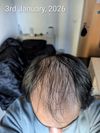
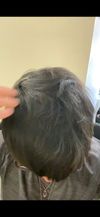
User seeks Fluridil for hair loss treatment and asks for reliable sources to purchase it. MinoxidilMax and eucapil-shop.com mentioned as potential options.
A 21 year-old feeling depressed about hair loss and how to cope with it, discussing various treatments such as finasteride, minoxidil, dutasteride, hair pieces, and scalp micropigmentation. There is also discussion of accepting oneself and redefining self-worth in order to not base one's entire identity on their hair.
This conversation was about a user's experience with hair loss treatments over two years, using finasteride and minoxidil which resulted in significant improvement.
Kintor's Pyrilutamide results for hair loss treatment will be released soon. The treatment may replace current treatments like finasteride and minoxidil without systemic side effects.
The user has been using 1mg Finasteride daily for six months, experiencing reduced shedding and itchiness but some frontal thinning. They are considering adding Minoxidil and have started dermarolling to enhance results.
A 20-year-old is concerned about potential hair loss and is seeking advice on whether to be worried about their current hairline, considering family history. They are contemplating treatments like Minoxidil, finasteride, or RU58841 but have not committed to any yet.
A 21-year-old has been using daily oral finasteride, minoxidil, biotin, and vitamins since January 2026 for hair loss, adding topical treatments and microneedling in May. They observed initial shedding and scalp issues but noted significant progress after adjusting their routine.
A 29-year-old male experienced significant hair density loss in 18 days despite using Finasteride and Minoxidil consistently for years. He suspects the change in brands or other factors like shedding or androgenetic alopecia might be responsible and is seeking advice.
The user has been on finasteride for 9 months and is unsure if it's effective, considering adding minoxidil or dutasteride. Other users suggest adding minoxidil for regrowth and discuss the pros and cons of oral versus topical treatments.
Using the "big three" hair loss treatments (Minoxidil, Finasteride, and Ketoconazole) can initially make hair look worse, often causing dryness and a "straw" texture. Adjusting the routine with gentler shampoos and conditioners can improve hair appearance while waiting for the treatments to show results.
The user shared their hair regrowth journey using finasteride, oral minoxidil, and dutasteride over 1.5 years, showing significant improvement. They experienced no side effects and noted increased body hair growth with oral minoxidil.
Ultrasound imaging can non-invasively detect active and inactive hair follicles, inflammation, and fibrosis, potentially reducing unnecessary biopsies. It may help assess hair growth potential and diagnose scalp issues, but some users believe in trying treatments regardless of ultrasound results.
A fake hair loss product called "PP405" is being humorously discussed, with users joking about its effectiveness and availability on resale websites. The consensus is that it's a scam, with some users sarcastically claiming miraculous results.
Rejuv-3X, a topical blend with GHK-Cu, AHK-Cu, and JXL-089, is used for hair loss, offering a targeted option without finasteride's side effects. The user plans to combine it with microneedling for enhanced results.
The conversation discusses switching from oral finasteride to topical RU58841 for hair loss, with concerns about hormonal effects and libido. Some users suggest alternatives like dutasteride, while others share mixed experiences with RU58841's effectiveness.
A 23-year-old plans to use Minoxidil for 4 months, then add Finasteride to assess their effectiveness for hair loss. They will track progress with photos and consider switching treatments if results are unsatisfactory.
The conversation discusses managing hair loss and scalp issues, with users sharing experiences using treatments like dutasteride, finasteride, ketoconazole, sulfur soap, and topical anti-androgens. Suggestions include trying sulfur soap, scalp massages, spironolactone, and dietary changes to reduce sebum production and dandruff.
The user experienced significant hair regrowth after switching from fake to genuine minoxidil, alongside continued use of finasteride. They advise caution when purchasing minoxidil from Amazon due to the risk of counterfeit products.
The user has been using finasteride and topical minoxidil since 2020 with good initial results, but progress has stalled since 2024. They are considering switching to dutasteride and oral minoxidil for better results.
A 24-year-old is experiencing aggressive hair loss despite using minoxidil and finasteride for years and is considering a hair transplant. Many suggest trying dutasteride, but there are concerns about side effects.
A new alcohol-free, propylene glycol-free topical finasteride foam is available for prescription in Canada and the USA, offering a cleaner alternative for hair loss treatment. The product also offers a combination of 0.1% finasteride with 5% minoxidil and aims to be affordable and less irritating for sensitive scalps.
The user is considering switching from finasteride and RU58841 to dutasteride due to ongoing hair loss concerns. They are unsure if the hair loss is due to shedding or worsening condition.
The user plans to start a 12-month finasteride treatment to combat aggressive hair loss, with regular monitoring of thyroid levels, testosterone, DHT, liver enzymes, PSA, and iron levels. They seek advice on additional monitoring and aim to balance results with minimal side effects.
The user started a hair loss treatment with oral finasteride, minoxidil, and microneedling but hasn't seen improvement after six months, experiencing increased shedding instead. Suggestions include continuing the treatment for a year, considering topical minoxidil, and possibly adding dutasteride if needed.
A 52-year-old man experienced positive hair regrowth after three months on a daily regimen of 1mg finasteride and 3mg minoxidil. Users discussed dosage recommendations and shared advice on finasteride use, with some expressing amazement at the results.
The conversation discusses skepticism about the effectiveness of scalp tension theory and scalp massagers for hair regrowth, contrasting it with treatments like finasteride and minoxidil, which have more user-reported results. Participants question the belief in scalp tension theory, suggesting it may be a marketing tactic, while others argue for a multifactorial approach to hair loss.
A user experienced significant hair shedding after three years on finasteride, possibly due to stress or whey protein, and sought advice. Others suggested it might be a temporary shed, recommended monitoring for deficiencies, and mentioned adding dutasteride if needed.
A user is interested in Absci's AI-driven antibody platform, ABS-201, for treating androgenetic alopecia, which shows promising preclinical results and potential for hair regrowth and pigmentation restoration. However, concerns are raised about the drug's development timeline and its advantages compared to existing treatments.
Using a derma stamp instead of a derma roller for hair growth is more effective and less damaging. The user experienced hair improvement with oral finasteride, topical minoxidil, and a derma stamp.