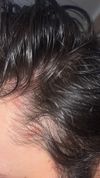
The user reintroduced RU58841 and noticed increased shedding and visible thinning. They have also been using dutasteride and oral minoxidil for 2 years.
A 28 year old male experiencing diffuse thinning, chronic dandruff and scalp crust (seborrheic dermatitis), with replies discussing the use of topical fin for hormone imbalances and Nizoral for seb derm.
The DHT itch is linked to hair loss and persists despite finasteride use; switching to dutasteride helped alleviate the itch and promoted regrowth. Some users suggest seborrheic dermatitis as a cause and recommend treatments like medicated shampoos, vitamin D, and minoxidil.
The post and conversation discuss the unpredictable nature of diffuse thinning, a type of hair loss. Users share personal experiences, with some mentioning treatments like oral finasteride and toppik, and the need for patience with these treatments.
A 22-year-old male experiencing hair thinning and loss, possibly due to seborrheic dermatitis or low vitamin D, is cautious about using minoxidil or finasteride due to heart palpitations and high blood pressure. Suggestions include using ketoconazole shampoo to control inflammation and focusing on treating the dermatitis first.
A 37-year-old male resolved scalp folliculitis by adopting a low-histamine diet and taking Vitamin A, Zinc, and Fish Oil, leading to better skin health and thicker hair. He warns about the potential toxicity of excessive Vitamin A intake.
The user is experiencing scalp irritation and hair thinning, possibly due to stress, with red patches on the face and dry skin. They are considering seeing a dermatologist and have used tea tree and rosemary oil.
Mixing Nizoral and T-Gel in a 1:1 ratio and using it three times a week provided relief from persistent seborrheic dermatitis. This treatment is recommended for those with stubborn SD.
The user experienced significant hair loss on the scalp, eyebrows, eyelashes, and pubic area, along with itchy, flaky skin and red patches. They have a history of eczema and dermatitis and suspect that stopping shampoo use and taking Ritalin may have contributed to the issue.
The user experienced significant hair improvement with minoxidil and finasteride but later faced shedding and diffused thinning after developing seborrheic dermatitis. They are seeking advice after trying treatments like ketoconazole, coal tar shampoos, fluconazole, and hydrocortisone cream.
The user experienced significant hair loss after extended fasting, initially thought to be Telogen Effluvium, but later suspected male pattern baldness. They tried finasteride briefly but stopped due to concerns about side effects, and are unsure if the hair loss is due to Telogen Effluvium or another cause.
A female user is experiencing severe hair loss, especially at the crown and front, with broken and dull hair despite using Moroccan oil, shea moisture shampoo, and coconut oil. She seeks recommendations for a clinic or doctor as previous doctors attributed the issue to stress but offered no solutions.
The user started using topical latanoprost and dutasteride, experiencing significant hair shedding and scalp itchiness, possibly due to an allergic reaction. They are considering stopping the treatment if the shedding is linked to an allergy.
Tretinoin can cause non-telogen hair loss in some men by inducing catagen-like changes in hair follicles and through retinoid toxicity, especially when used with minoxidil. Some users report hair loss even when using retinoids on the face, while others experience benefits when combined with treatments like finasteride and minoxidil.
The "DHT itch" is real and likely due to inflammation at the hair follicle, exacerbated by increased testosterone or androgens. Treatments mentioned include dutasteride, minoxidil, finasteride, and various topical solutions.
A user experienced significant hair shedding and thinning 10 months post-hair transplant despite using minoxidil and topical finasteride. They are considering switching to oral finasteride or dutasteride and are also dealing with scalp conditions like seborrheic dermatitis.
The user is experiencing scalp irritation from using tretinoin and alcohol-based hair loss treatments like stemoxydine. They find that Aquaphor helps with the pain but is difficult to apply in hairy areas.
Tea tree oil shampoo resolved redness, itching, and increased hair thickness for the user, suggesting demodex mites as a possible cause. Nizoral was ineffective, but tea tree oil showed significant improvement over several months.
The user is experiencing scalp itching despite using finasteride and Ketoconazole shampoo for hair loss and seborrheic dermatitis. They are unsure if the itch is due to their treatments, diet, or mental factors.
Finasteride can cause scalp itch and inflammation, possibly due to DHT changes, but these effects are often temporary and part of the shedding phase. Consistent use of finasteride may show results after 6 months, with potential hair regrowth and slowed hair loss.
A user is experiencing severe hair loss, diagnosed with seborrheic dermatitis, and is using Ketoconazole and beclomethasone. They are concerned about potential female pattern baldness and are seeking reassurance and advice.
A user with diffuse thinning noticed stubble-like hairs on their scalp after using 2% ketoconazole shampoo, dermarolling, castor oil, Vitamin D3, biotin, and iron supplements. They are unsure if this indicates regrowth or miniaturized hairs.
Topical roflumilast is effective for reducing inflammation in various scalp conditions like seborrheic dermatitis, psoriasis, and eczema, but not proven to stop scarring alopecia. Alternatives like apremilast and Vtama are also discussed for their anti-inflammatory benefits.
The user is experiencing white flakes and a greasy look from using a topical solution containing 0.025% finasteride, 8% minoxidil, 0.01% retinoic acid, and 1% hydrocortisone. Suggestions include reducing application frequency, using a brush to clean the scalp, and considering alcohol-free alternatives.
Seborrheic dermatitis improved after a hair transplant. Effective treatments include Sebamed Anti-Dandruff Shampoo, Vichy Anti-Dandruff Shampoo, Nizoral, and medications like finasteride, dutasteride, and minoxidil.
User Wonderful_Tonight910 suffered from hair loss and seborrheic dermatitis for years. After using irritant-free shampoo, their scalp improved, hair loss stopped, and new hair growth appeared.
OP injured their temple using derma rolling and tretinoin, causing peeling and potential hair follicle damage. Users suggest the injury might be permanent, possibly resulting in scar tissue where hair won't grow.
User is experiencing scalp itch and hair loss despite using Nizoral, Minoxidil, derma rolling, and Finasteride for 6 months. They are considering switching to Dutasteride.
The user is using minoxidil, finasteride, and recently added tretinoin to address hair loss, specifically around a receding hairline. They are seeking advice on application methods and mention experiencing mild skin rashes potentially from tretinoin.
The user experienced hair shedding and follicle shrinkage when using retinoic acid, despite trying different concentrations and frequencies. The hair loss persisted for six months but regrew after stopping the treatment.