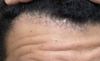
A user applied a homemade topicalfinasteride solution daily for 35 days, reducing hair shedding significantly with minimal side effects. They plan to continue for 90 days and will provide further updates.
Significant hair regrowth was achieved using a topical combination of 0.3% finasteride and 6% minoxidil, with weekly dermastamping and ketoconazole shampoo, without side effects. Others suggested additional treatments like red light therapy and PRP.
Topicalfinasteride and minoxidil are not effective for the user, who is considering switching to oral treatments like finasteride or dutasteride. Many suggest oral medications are more effective, and some recommend additional treatments like microneedling and other topical solutions.
A 21-year-old started using topicalfinasteride and minoxidil for hair loss and experienced side effects like reduced libido, weaker erections, and sleep issues after one month. They are concerned and seeking advice on whether these effects will subside or if they should adjust the treatment frequency.
The user is using topicalfinasteride to manage hair loss due to concerns about side effects from oral finasteride. They seek advice on effectively applying the topical treatment to reduce shedding.
A 25-year-old male has been using topicalfinasteride (0.1%) and minoxidil (5%) for almost two years with no visible improvement but stable hair loss. Suggestions include switching to oral finasteride and minoxidil, considering stronger treatments like dutasteride, and consulting a doctor for personalized advice.
The user experienced increased hair loss with topicalfinasteride and is considering switching to oral finasteride. Others shared mixed experiences, with some suggesting oral finasteride is more effective, while others noted individual results vary.
Topicalfinasteride can be effective for some, especially if oral finasteride causes side effects, but results may vary and can be slower. Combining topicalfinasteride with minoxidil is common, though some users switch to oral treatments for better results.
Topicalfinasteride concentrations are likely much higher than necessary for effective follicular DHT suppression, with current standards being 100-1000 times above the theoretical minimum. Lower concentrations (0.001-0.0025%) might still work locally while minimizing systemic exposure.
A 35-year-old male from the UK experienced significant hair regrowth and thickening after using topicalfinasteride 0.1% and minoxidil 5% spray for three months, along with a derma roller and Nizoral shampoo. He reported no side effects and encouraged others to try the topical spray if concerned about tablet side effects.
The user experienced thicker hair and less hair loss after using topicalfinasteride (0.5%) and minoxidil (5%) foam for four months, with minimal side effects compared to oral finasteride. They also use a derma needler and injectable testosterone, noting no increased hair loss despite higher testosterone levels.
The user applied topical minoxidil and finasteride daily for 3 months and noticed progress in hair growth. Another user recommended collagen for hair growth and other benefits.
The user shared a 2-month progress update using topicalfinasteride and minoxidil for hair loss. The conversation included comments on the user's appearance and potential side effects.
The user is using topicalfinasteride, minoxidil, nizoral shampoo, and microneedling for hair regrowth but hasn't seen results after 2-3 weeks. They added tretinoin to their routine and are advised to wait a few months for potential changes.
Topicalfinasteride may help maintain and potentially regrow a receding hairline, but results vary. Combining it with minoxidil and microneedling could enhance effectiveness, with noticeable changes taking several months.
Topicalfinasteride (P-3074) can inhibit scalp DHT by up to 70%, with some users experiencing systemic absorption similar to oral use. Users discuss varying application frequencies and concentrations, with some noticing side effects when overused.
Users discuss making topicalfinasteride solutions by dissolving crushed tablets in ethanol and propylene glycol, with concerns about residue affecting effectiveness. They also mention using minoxidil and oral finasteride, noting some hair regrowth and no side effects from topical use.
Topicalfinasteride may have higher systemic absorption and lower efficacy when using a Propylene Glycol/Ethanol formulation compared to the hydroxypropyl chitosan (HPCH) formulation. The safety profile of topicalfinasteride relies heavily on the HPCH formulation, and using standard solutions might lead to different pharmacokinetics.
Topicalfinasteride in the UK is sought after due to concerns about the strength and cost of Hims products. There is also interest in whether crushing finasteride pills into minoxidil is effective.
Topicalfinasteride with minoxidil effectively stabilized and thickened hair but caused side effects like brain fog, reduced libido, and emotional flattening, leading to discontinuation. The user switched to a new regimen including minoxidil, KX-826, and other treatments, noting improvements in libido and vivid dreams after stopping finasteride.
The user has been using topical 5% Minoxidil, 0.1% Finasteride, dermastamping, 2% ketoconazole, and a DHT-blocking shampoo with saw palmetto, caffeine, biotin, and argan oil for hair loss. Despite some baby hair growth on one side, the user is experiencing continued hairline recession and shedding, leading to distress.
The user has been using a combination spray with 0.1% finasteride, 5% minoxidil, and tretinoin for over a year but feels their hairline has worsened. They are considering increasing the concentration of finasteride and adding 5% minoxidil once a day.
The user has been using a combination spray with 0.1% finasteride, 5% minoxidil, and tretinoin for over a year but feels their hairline has worsened. They are considering increasing the concentration of finasteride and adding 5% minoxidil once a day, while another user suggests trying oral finasteride for potentially better results.
Topicalfinasteride can effectively reduce scalp DHT by targeting local enzymes, despite less systemic impact compared to oral forms. Combining oral dutasteride with topicalfinasteride and minoxidil may enhance hair loss prevention, though evidence of its effectiveness is limited.
TopicalFinasteride is most effective at 0.1-0.25%, and Minoxidil at 5%. Tretinoin is optional, and additional ingredients like biotin, caffeine, and saw palmetto are recommended.
Topicalfinasteride is currently more effective than pyrilutamide for hair loss. Combining treatments like topicalfinasteride and pyrilutamide may enhance results due to different mechanisms.
A user is considering using topicalfinasteride, topical minoxidil, RU58841, and dermarolling twice a week to address hair loss after experiencing side effects with oral finasteride. They previously saw positive results with a topical spray containing finasteride, minoxidil, and tretinoin but discontinued use due to laziness.