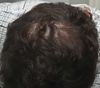
The user is considering using dutasteride or finasteride for hair loss and has recurrent folliculitis. Another user suggests treating the folliculitis and notes diffuse thinning.
The user is experiencing hair loss at the hairline and is using finasteride, but considering minoxidil due to lack of improvement. Replies suggest that minoxidil may be more effective for hairline maintenance, especially when used in combination with finasteride.
Tretinoin may worsen hair loss by inducing premature hair follicle regression. It can be used with minoxidil to increase absorption but should not be used alone.
DUPA and retrograde alopecia may not be solely DHT-based, and a biopsy is crucial for accurate diagnosis and treatment. Treatments mentioned include dutasteride, oral minoxidil, pioglitazone, clobetasol, calcipotriol, ketoconazole, and doxycycline, depending on the specific condition.
The user underwent two FUT hair transplant surgeries with subpar results, leading to disappointment and continued use of Minoxidil, laser cap, dermaroll, and biotin. They advise thorough research before committing to hair transplants, especially for those with advanced hair loss.
Rejuv-3X, a topical blend with GHK-Cu, AHK-Cu, and JXL-089, is used for hair loss, offering a targeted option without finasteride's side effects. The user plans to combine it with microneedling for enhanced results.
The conversation is about a user interested in participating in hair cloning clinical trials due to their fine hair and previous positive experience with clinical trials. They are seeking information on how to volunteer for such trials.
The conversation discusses an interview with Dr. Tsuji about hair follicle stem cell multiplication and the financial challenges of starting human clinical trials. It also mentions the need for funding to secure a patent for a protein that promotes hair growth.
The post discusses a successful hair loss treatment involving a hair transplant, finasteride, and minoxidil. The user underwent a 2000 graft hair transplant at the hairline in a clinic in Sweden.
A user stopped using RU58841 after discovering their girlfriend's unplanned pregnancy, expressing concern about potential harm to the baby. Others advised consulting a doctor, waiting for health scans, and considering switching to oral finasteride or natural supplements like saw palmetto.
The user's consideration of taking finasteride as a short-term treatment, while awaiting advances in medical technology such as Pyrilutamide and GT20029; other users' experiences with Finasteride, including potential side effects.
Androgenetic alopecia is affected by scalp DHT levels, not sensitivity, with treatments like finasteride and dutasteride aiming to optimize these levels. Personalized DHT management is crucial for effective hair growth.
Upcoming hair loss treatments for those who can't tolerate DHT blockers, focusing on Minoxidil, microneedling, and ketoconazole. Promising treatments include GT20029, PP405, KX-826, and RU58841, though RU58841 may not be safe.
Intermittent fasting may suppress hair follicle regeneration, but opinions vary on its impact on hair loss. Some users report no negative effects or even hair improvement while using treatments like finasteride and minoxidil.
The user experienced hair thinning and was diagnosed with alopecia incognito and male pattern baldness. They are using minoxidil, finasteride, and dutasteride scalp injections, reporting gradual improvement with no side effects.
Microneedling's effectiveness for hair growth is debated, with some suggesting it enhances minoxidil absorption, but evidence is inconclusive. Concerns exist about its impact on hair transplants, and opinions vary on its use with other treatments like RU58841 and stemoxydine.
Stem-cell hair transplants could potentially create thousands of grafts from a single donor graft, offering a solution for hair loss with DHT-resistant hair. Companies like Stemson Therapeutics and OrganTech are working on this technology, which may become available in the future, possibly reducing the cost and making it widely accessible.
The user is experiencing severe hair thinning and is using multiple treatments including topical finasteride, minoxidil, tretinoin, latanoprost, oral minoxidil, dutasteride, saw palmetto, and derma wounding. They are considering adding RU58841 and are contemplating a hair transplant and exosomes due to frustration with current results.
User starts Nuclear Stack treatment for hair loss, including Dutasteride, Minoxidil, RU58841, Derminator 2, and supplements. Seeks advice on storing and dosing RU58841.
A 21-year-old with a family history of early balding is advised to see a dermatologist to confirm androgenetic alopecia (AGA) and consider treatments like finasteride or dutasteride to prevent further hair loss, and minoxidil, possibly with tretinoin, to regrow hair. Caution is advised with oral minoxidil, and a cardiologist should be consulted before use.
RU58841 slowed hair loss for a DUPA sufferer after other treatments like finasteride, dutasteride, and minoxidil failed. Some users reported side effects with RU58841, while others did not experience any.
Getting a hair transplant without using finasteride or dutasteride for at least two years can waste donor hair, as these medications can lead to significant hair regrowth in areas like the crown and mid-scalp. Delaying a transplant allows for better results by maximizing natural regrowth and preserving donor hair for more needed areas.
The user shared their 5-year hair loss journey, initially using a product called Triphasic Progressive by Rene Furterer, which gave good results. Later, they switched to FDA-approved medications finasteride and minoxidil, which also helped, but they noticed the most significant progress with Triphasic. They're considering trying it again if minoxidil doesn't show improvements.
The user started using 1mg finasteride and Regaine foam post-hair transplant, noticing significant hair growth at three months. They experienced testicular cramps as a side effect but no other issues, and are considering microneedling for further improvement.
The conclusion of the conversation is that the user has tried various medications and treatments for hair loss, including minoxidil, finasteride, microneedling, and nizoral shampoo, but has not seen any progress. They have decided to shave their head. Other users suggest options such as hair transplants, RU58841, hair units, and scalp micropigmentation.
The conversation is about choosing an anti-androgen for hair loss treatment, with options being alfatradiol and pyrilutamide. Alfatradiol is considered a better choice due to its established use, while pyrilutamide is more experimental.
A group buy for testing a compound targeting Twist1 protein as a potential hair loss treatment. Inhibiting Twist1, which keeps hair follicles in growth phase, may prevent hair loss with minimal side effects.
A human trial of verteporfin, a potential treatment for hair loss, with some users noting potential improvements in scarring and overall healing compared to control areas.
MCL-1 protein may help maintain hair follicles in the growth phase and prevent miniaturization. There is interest in experimental treatments like exosomes, peptides, or stem cell serums to upregulate MCL-1 for hair loss, especially for those not using minoxidil or finasteride.
The conversation discusses the struggle with diffuse hair thinning and the effectiveness of treatments like finasteride, minoxidil, and RU58841. Users share experiences of hair thickening and shedding stopping with these treatments, but results vary and some are skeptical.