The conversation is about the anticipated release date of phase II results for a hair loss treatment called GT20029 and the cautious optimism surrounding it due to past disappointments with similar treatments. Users expect an update in the next few months.
A 20-year-old saw significant hair regrowth after 9 months of using DHT blockers (finasteride and dutasteride) and 6 months of hormone replacement therapy (HRT) with estradiol. The regrowth is attributed to low testosterone and high estradiol levels, without using Minoxidil.
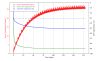
A Dutasteride Simulator predicts serum dutasteride, serum DHT, and scalp DHT levels using models from research papers. It simulates various dosing schedules to determine steady-state effects and visualizes outcomes, including hair growth-related scalp DHT suppression.
Eirion Therapeutics is recruiting for phase 1 of ET-02 in Texas, which showed promising hair growth results in non-clinical studies. ET-02 demonstrated significantly more hair growth compared to Minoxidil.
The user has been using a strong combination of hair loss treatments for 16 months, including Finasteride, Minoxidil, Dutasteride, and RU-58841, but their hair loss has worsened. They're questioning whether their high testosterone levels or residual scalp DHT are causing further hair loss, with a reply suggesting that even small amounts of DHT can cause hair loss if one is sensitive to it.
The user is asking if they are seeing hair regrowth after using 0.05% tretinoin, minoxidil, 1.25mg finasteride, weekly dermarolling, and ketoconazole three times a week. They are seeking feedback on their routine.
The user experienced new hair growth after switching from oral finasteride to topical RU58841 with minoxidil and undergoing stem cell therapy. They noticed new hairs at the hairline and temples, but are unsure which treatment is responsible.
The user experienced reduced hair loss using an online serum but found it too expensive and is seeking a vendor for ptd-dbm. They are also interested in KY19382 but are unable to find it.
GT20029 shows promise as a topical treatment for hair loss, potentially replacing finasteride for some due to its low systemic exposure and ability to degrade androgen receptors. However, skepticism remains about its long-term efficacy and availability, with some users expressing doubt about new treatments consistently failing to reach the market.
PTD-DBM is being explored for hair regrowth by targeting CXXC5, with clinical trials expected after pre-clinical studies. Users express anticipation and skepticism about its effectiveness.
The conversation is about a person's hair improvement after 14.5 months using RU58841 and Minoxidil topically at 50 mg each day, with noticeable hairline improvement but incomplete crown area recovery. The person struggles to take good pictures of their crown area.
The user is starting dutasteride mesotherapy and seeks information on checking serum DHT levels in Germany. They previously tried finasteride but experienced unpleasant side effects.
A 20-year-old with thinning hair has low vitamin D and normal testosterone. They are prescribed oral minoxidil and vitamin D, and are questioning if finasteride is also necessary.
The conversation discusses the effectiveness and safety of hair loss treatments, specifically RU58841 and Pyrilutimide (Pyril), with users sharing that Pyril was no more effective than a placebo and expressing concerns about the safety of RU58841 based on personal experiences and the lack of pharmaceutical interest.
The conversation is about gathering serum DHT data from individuals taking dutasteride to investigate its efficacy, especially in cases with unexpectedly low DHT reduction. The aim is to explore potential genetic factors affecting drug metabolism.
Kintor's Pyrilutamide (KX-826) showed hair growth in Chinese Phase III trials but did not significantly outperform placebo. The treatment was safe with no major adverse reactions reported.
The user experienced a sudden and severe hair loss after 1.5 years of successful treatment with finasteride and minoxidil. They plan to check their thyroid and vitamin D levels as potential causes.
Mixing RU58841 with minoxidil compounded with tretinoin is discussed, with concerns about systemic absorption. Topical dutasteride and finasteride are also mentioned as treatments, with varying personal experiences and concerns about side effects.
A 20-year-old male is unsure how to interpret his bloodwork results and whether he should take finasteride for hair loss. His bloodwork shows borderline high levels of albumin and testosterone, and high progesterone, but normal levels of other hormones.
The conversation discusses the effectiveness of topical tretinoin as a monotherapy for hair loss, with users suggesting it may not be as effective as minoxidil or finasteride. The original poster is considering other options like a phenol peel and is concerned about the risks of derma rolling.
RU58841 is preferred over finasteride for blocking DHT on the scalp, especially for those with aggressive MPB. Creatine is associated with increased hair shedding, even when using RU58841.
The conversation is about the potential impact of RU58841 on male fertility, specifically regarding sperm concentration, total count, and motility. The user is curious about the likelihood of RU58841 reducing fertility based on its mechanism of action and comparisons to similar substances.
A trans man is experiencing hair loss due to testosterone therapy but is unwilling to stop the treatment despite concerns about using finasteride. The individual is distressed about balding at a young age but acknowledges it is genetic.
The user is taking 2.5 mg dutasteride and 5% minoxidil but is not seeing hair regrowth, and is considering adding RU58841. They are experiencing fatigue and low MCV/MCH, possibly related to dutasteride, and are advised to be patient, consider microneedling, and check for iron deficiency.
Rejuv-3X, a topical blend with GHK-Cu, AHK-Cu, and JXL-089, is used for hair loss, offering a targeted option without finasteride's side effects. The user plans to combine it with microneedling for enhanced results.
A 25-year-old male is concerned about his blood test results, particularly the low percentage of free testosterone, and is questioning whether starting finasteride for hair loss might worsen this issue. He also notes a slight vitamin D deficiency and lack of sleep before the test.