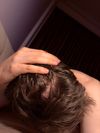
User shared 12-month hair loss progress using oral minoxidil, oral dutasteride, and 2% ketoconazole shampoo. They detailed their medication regimen and dosages.
A person transitioning is using 2mg sublingual estradiol and 2.5mg oral minoxidil daily for hair regrowth, noting significant progress in three months. They plan to increase estrogen dosage and consider adding dutasteride, discussing the effects and challenges of transitioning.
A user experienced significant hair regrowth after 3.5 months using topical minoxidil and weekly derma rolling. Others discussed enhancing results with finasteride, ketoconazole shampoo, and microneedling.
A user convinced their 45-year-old dad to use minoxidil and finasteride, resulting in significant hair regrowth. The dad now uses 1mg of finasteride daily and topical minoxidil twice a day, and has also started using 1% ketoconazole shampoo.
A user has been on dutasteride for nearly 2 years with no improvement in hair loss, expressing frustration. Other users suggest checking for other health conditions, getting bloodwork, and considering stopping TRT or trying finasteride.
A 19-year-old's progress after 7.5 months of using topical finasteride and minoxidil, as well as 3 months of microneedling, to treat hair loss. The user has experienced positive results from the treatment and expressed gratitude for the support they have received throughout their journey.
A user's progress with hair regrowth after 3 months of using 1 mg finasteride and 5 mg minoxidil orally, despite some skepticism from other users. The user reports having low blood pressure and feeling fatigued as side effects, but others suggest switching to topical minoxidil for better results with less risk.
A user's experience with hair loss treatments such as minoxidil and finasteride, which has resulted in positive results. Others have also shared their experiences with similar treatments with encouraging results.
This user experienced improvements in their hair density and texture through the use of finasteride (1.25mg) and minoxidil (5%) applied topically once a day over 8 months, with no reported side effects other than slightly lowered libido.
The user is experiencing hair loss, possibly due to androgenetic alopecia and seborrheic dermatitis, and has tried ketoconazole shampoo without success. They are hesitant to use finasteride due to potential side effects and are seeking advice on managing their condition.
A 32-year-old shares their one-year experience using dutasteride 0.5 mg and minoxidil for hair loss, noting some progress but still considering a hair transplant for better density. They mention decreased libido as a side effect and discuss the cost and considerations of a hair transplant.
Dutasteride and finasteride are not effectively stopping hair loss for some users, despite long-term use. Some are considering or using RU58841, pyrilutamide, and other treatments like microneedling, while also managing seborrheic dermatitis with diet and topical solutions.
The user experienced significant hair loss after stopping a treatment of 5% Minoxidil and 0.1% Finasteride, which they had used from December 2021 to January 2024. They resumed the treatment in April 2025, hoping for regrowth, and are considering additional treatments like transplants and steroid injections.
The conversation is about a user's hair regrowth progress using topical Minoxidil 5%, a derma roller, Foligain Trioxidil shampoo, and various supplements like zinc, selenium, magnesium, B6, B7, saw palmetto, and D3 + K2. The user is seeking finasteride but faces prescription challenges in Italy.
Using 1mg Finasteride and 5% Minoxidil for a year led to significant hair regrowth, despite initial side effects like decreased sex drive, which improved with exercise. Consistency in treatment was highlighted as crucial for success.
The user shared their 5-month hair regrowth progress using oral finasteride daily, topical minoxidil twice daily, derma stamping weekly, castor oil weekly, and the Nioxin system kit. Replies praised the results and inquired about the timeline and side effects.
A user shared a 3-month progress picture showing hair regrowth using 5% Minoxidil and microneedling, but not taking Finasteride. Some users are surprised by the quick results, and there's a discussion about the effectiveness of frequent deep microneedling.
A user has been treating hair loss with finasteride for two years without success and is experiencing an itchy scalp with seborrhea. Despite low DHT levels, they are still losing hair, suggesting that DHT might not be the main cause of their hair loss, and they are considering other treatments or causes.
A user's 11-month progress with hair loss treatment using Finasteride 1mg and Minoxidil 5%. The user is happy with the significant hairline regrowth and increased density, and is considering dermarolling for further improvement.
Jamesdunn8811 has been using a combination of finasteride and minoxidil to treat his hair loss over the past four months, with successful results. He has experienced no side effects and noticed increased thickness and baby hairs growing in both temples.
A 41-year-old with over 10 years of hair loss showed progress after 2 months using topical finasteride and minoxidil, dermaroller, DHT blocker shampoo, laser cap, and vitamins B12, Biotin, D3. Commenters are impressed with the results and suggest continued treatment and focus on health for further improvement.
The user experienced continuous hair shedding for 16 months while on finasteride, with periods of improvement. They also used T Gel shampoo and noticed a reduction in hair loss symptoms after 18 months, including the return of their sex drive and normal hair texture.
A 19-year-old experiencing hair loss for two years is using Minoxidil and topical finasteride. They are seeking advice on the type of balding they have and the best treatment approach.
A user experienced no hair regrowth after using oral minoxidil, topical finasteride, minoxidil, and tretinoin, and reported side effects from oral finasteride. They are considering switching to dutasteride or using hair fibers for better results.
A user increased their dutasteride dose to 3mg daily after two years but experienced significant hair loss. They also use RU58841 and minoxidil and are concerned about whether the loss is due to shedding or another issue like telogen effluvium.
The user is experiencing hair regrowth after five months on a treatment regimen including Musely's bloom+ pill (Minoxidil and Dutasteride), Nizoral, and microneedling. They are optimistic about the results and have not experienced any side effects.
A user's progress with their hair loss treatment, which includes finasteride and nizoral, as well as the potential for using minoxidil; other users providing advice based on their own experiences; and others discussing how buzz cuts can make diffuse thinning look worse than it is.
The user has been using 1 mg finasteride for three months and recently started using 5% minoxidil once daily, resulting in new vellus hair growth. The user is hopeful that minoxidil will positively impact terminal hairs and is considering adding a derma stamp to the routine.
PP405 is a potential hair loss treatment that may work by blocking signals that cause hair cells to stop growing, requiring daily application for effectiveness. It could serve as an alternative to minoxidil and finasteride, but it is not yet available on the market and may take several years to be released.
The user experienced increased hair thinning after switching from finasteride and minoxidil to dutasteride, despite some users suggesting it might be a temporary shedding phase. The user is considering using RU58841 but is unsure about its safety.