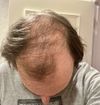
A 20-year-old is experiencing hair thinning and seeks advice on starting treatment and regrowing hair. They are considering using Minoxidil, finasteride, or RU58841.
A young man faces severe hair loss in his early 20s, using treatments like dutasteride and minoxidil with little success, impacting his self-esteem and relationships. He considers hair systems and therapy as potential solutions.
A 19-year-old using finasteride for hair loss seeks advice on additional treatments. Suggestions include microneedling, minoxidil, and ketoconazole shampoo, with concerns about side effects discussed.
A 21-year-old is experiencing significant hair loss and considering treatments like dutasteride, minoxidil, and possibly a hair transplant. Others share their experiences with finasteride, scalp micropigmentation, and hair transplants, discussing the emotional impact and offering support.
The user has seen significant hair regrowth after three years of using Minoxidil inconsistently and Hims topical Minoxidil/Finasteride for a year. They are considering switching to oral Finasteride and increasing topical Minoxidil use, with suggestions from others to try Dutasteride and microneedling for further improvement.
Dutasteride and finasteride for hair loss, with dissatisfaction expressed about dutasteride and consideration of switching back to finasteride. Users share varied experiences, noting individual responses to treatments differ.
A 22-year-old is experiencing aggressive hair loss despite using minoxidil and finasteride and is considering a hair transplant but lacks funds. The discussion includes advice on treatments like dutasteride, microneedling, and lifestyle changes, with mixed opinions on the timing and effectiveness of a transplant at a young age.
PP405 might make minoxidil unnecessary, but finasteride or other 5AR inhibitors may still be needed. PP405 is expected to be expensive and not available until at least 2028, with limited information on its effectiveness.
Bald men can still attract partners, as personality and confidence often outweigh hair loss. Treatments like finasteride and minoxidil are used, but self-acceptance and personal satisfaction are key.
Finasteride is preferred over dutasteride due to its longer history, more research, and FDA approval, despite dutasteride being more potent. Users report varied side effects, influencing personal treatment choices.
The user has used finasteride and minoxidil for 300 days and is considering a hair transplant. Others recommend continuing medication, possibly switching to dutasteride, and waiting longer before deciding.
Use minoxidil and finasteride for 1-2 years to promote regrowth and stabilize hair loss before a transplant. Long-term use of these medications is needed to maintain results and prevent further loss.
People are experimenting with high doses of dutasteride, with some reporting halted hair loss and regrowth. Others are combining it with treatments like minoxidil and finasteride, noting varying results and side effects.
A user experienced 12 months of hair shedding on finasteride and is unsure about continuing, increasing the dose, or switching to dutasteride. Suggestions include adding minoxidil, adjusting finasteride dosage, and checking for deficiencies.
The user shared their hair regrowth journey using topical minoxidil and finasteride since December 2021, experiencing shedding phases but ultimately achieving positive results by sticking with the treatment. They advise others to continue with their regimen despite shedding, as it can be a sign of the treatment working.
Start hair loss treatments early for best results. Finasteride, Dutasteride, Minoxidil, and microneedling are commonly used, with some users experiencing side effects but often regretting delayed treatment.
The user saw no hair regrowth after six months using minoxidil, daily dermarolling, and vitamin D3. Many suggest adding finasteride or dutasteride for better results.
The "DHT itch" is real and likely due to inflammation at the hair follicle, exacerbated by increased testosterone or androgens. Treatments mentioned include dutasteride, minoxidil, finasteride, and various topical solutions.
A 31-year-old with diffuse thinning experienced significant hair regrowth after nearly 5 months on Finasteride 0.75mg MWF. Despite initial side effects like testicle pain and reduced sex drive, these issues resolved, and positive effects included reduced nighttime urination and scalp itching.
A user has been using dutasteride and oral minoxidil for hair loss with no change and is considering a hair transplant at age 22. Replies suggest that a transplant is possible if DHT blockers like finasteride are continued, and another user shared a positive personal experience with a transplant at age 20.
A user is concerned about using more minoxidil than prescribed to cover their hair loss area and mentions taking spironolactone pills. Another user advises against men taking oral spironolactone due to significant hormonal effects.
The conversation is about a meme related to hair loss that influenced someone to start taking finasteride. Another person agrees that the meme accurately represents the situation.
The conversation reflects on how hair loss was portrayed in older movies as a natural part of aging, contrasting with today's media where balding is less visible due to treatments like finasteride and hair transplants. Participants also discuss the difference in societal attitudes towards hair loss and appearance in past generations compared to the present.
A user has been treating hair loss with finasteride for two years without success and is experiencing an itchy scalp with seborrhea. Despite low DHT levels, they are still losing hair, suggesting that DHT might not be the main cause of their hair loss, and they are considering other treatments or causes.
The conversation discusses the use of hair systems as a solution for hair loss. Users share their experiences, highlighting the natural look, confidence boost, and maintenance requirements of hair systems, while also addressing concerns about cost, stigma, and potential drawbacks.
A user shared their positive experience with Minoxidil (Kirkland brand) and Nizoral shampoo for hair regrowth, showing significant improvement in just three months. The user applied the treatment consistently for over three years, maintaining the results, and did not use any other treatments like finasteride.
The post and conversation discuss different methods of applying hair loss treatments directly to the scalp. The original poster suggests using a 1ml TB Syringe & Ophthalmic Cannula for precise application, while others share their own methods, including sprays, droppers, and simple syringes.
The user, SnooDonuts9235, shares their positive experience with a hair transplant and using topical finasteride and minoxidil. They express concern about increased shedding and ask if it is normal. Other users compliment their results and ask about the clinic and procedure details. SnooDonuts9235 encourages others to consider a hair transplant even without taking oral finasteride and shares that the procedure was not as scary as they initially thought.
A 19-year-old with rapid hair loss since 16 is considering a hair transplant but refuses to take finasteride or any 5α-Reductase inhibitors. They are currently using minoxidil, tretinoin, and microneedling with a Derminator 2, and only want hair until age 27.