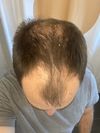
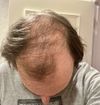
A 39-year-old is starting a hairloss treatment with 1.25mg finasteride and 2.5mg oral minoxidil twice daily, sharing baseline pictures and hoping for significant results. Progress updates will follow.
PP405 is considered a promising hairloss treatment, potentially replacing minoxidil but not finasteride. Users are hopeful for future treatments like GT20029 and VDPHL01, while remaining cautious about effectiveness and side effects.
The user is experiencing significant hairloss and is considering treatments like minoxidil, finasteride, and possibly a hair transplant. They are advised to consult a dermatologist and consider oral minoxidil and dutasteride, while being aware of potential side effects and the need for ongoing treatment.
Finasteride can effectively slow or halt hairloss, even for those genetically predisposed to significant balding, like Norwood 6 or 7. Many users report long-term maintenance or improvement, often combining it with other treatments like Dutasteride or Minoxidil for better results.
A young man faces severe hairloss in his early 20s, using treatments like dutasteride and minoxidil with little success, impacting his self-esteem and relationships. He considers hair systems and therapy as potential solutions.
Dutasteride is more effective than Finasteride for hairloss, with similar safety profiles. Individual responses vary, and factors like Minoxidil use and age differences may influence results.
The conversation discusses hairloss treatments, emphasizing the importance of patience and sticking with a treatment for at least 12-18 months before judging its effectiveness or adding new treatments. Users share experiences and agree that introducing treatments too quickly can lead to panic and negative outcomes.
A user embraced their hairloss by choosing a buzzed hairstyle and received positive feedback on their appearance. Some suggested acceptance and self-care, while others discussed the potential of hair regrowth with treatments like finasteride and minoxidil.
The conversation reflects on how hairloss was portrayed in older movies as a natural part of aging, contrasting with today's media where balding is less visible due to treatments like finasteride and hair transplants. Participants also discuss the difference in societal attitudes towards hairloss and appearance in past generations compared to the present.
A user has been treating hairloss with finasteride for two years without success and is experiencing an itchy scalp with seborrhea. Despite low DHT levels, they are still losing hair, suggesting that DHT might not be the main cause of their hairloss, and they are considering other treatments or causes.
The post discusses a user's experience with hairloss treatments, specifically topical finasteride, minoxidil, and micro-needling, and their plan to switch to oral versions and add Dutasteride. The conversation includes various responses, with some users sharing their own experiences and side effects, and others expressing desire for a more permanent hairloss solution.
The conversation discusses hairloss treatments including finasteride, minoxidil, derma rolling, and tretinoin, with the user showing progress after five months. Tretinoin is mentioned to enhance the effectiveness of minoxidil.
The conversation discusses hairloss and treatments, with users suggesting the original poster's hair has receded despite using a dermaroller and RU58841 for two months. Many recommend starting finasteride and minoxidil for better results.
Natural treatments for hairloss, specifically peppermint oil and rosemary oil; how they can be used as a supplementary or alternative treatment to pharmaceuticals such as finasteride and minoxidil; and the personal experience of the user Divallo, who has seen an increase in density and thickness after using these oils for around 2.5 years. The post also touches on the potential antifungal properties of the oils and their effects on cutaneous blood flow.
A user is considering using minoxidil for hairloss and asks for advice on application and long-term effectiveness. Responses suggest minoxidil can be effective but may lose efficiency over time, and combining it with other treatments like finasteride might be more beneficial.
The user has been using finasteride, minoxidil, Viviscal, biotin, saw palmetto, fish oil, and alternating shampoos to combat hairloss but continues to experience thinning, especially at the hairline. They are considering trying dutasteride but are hesitant, and they are contemplating shaving their head if the situation doesn't improve.
A 23-year-old male is worried about potential hairloss and is considering finasteride but is concerned about side effects. He received reassurance from a doctor that he might not be balding and plans to confirm with a specialist.
A user is experiencing significant hairloss and stress, seeking advice on treatments. They are using Pura d'or shampoo and conditioner, biotin, and considering other options but are hesitant about treatments like Minoxidil due to the need for continuous use.
A 47-year-old with significant hairloss tried Happy Head, micro needling, Pura D’Or Shampoo, and various vitamins for three months. The user shared progress pictures showing improvement.
A user who has seen improvements in their hairloss after taking finasteride and minoxidil once a day for 5 months. Other users offered advice and support, with some cautioning about potential side effects of the treatments.
A hair transplant without using finasteride or similar medications may lead to unnatural results and further hairloss. Financially capable individuals are advised to stabilize hairloss with medication before considering a transplant.
Scalp micropigmentation (SMP) is a debated hairloss solution, with some praising its natural look and low maintenance, while others criticize it for looking unnatural and being a temporary fix. Many prefer traditional hair restoration methods like hair transplants or medications such as finasteride and minoxidil.
Oral copper supplementation significantly improved hair regrowth for someone who experienced severe hairloss after stopping minoxidil, suggesting copper deficiency might hinder minoxidil's effectiveness. The user now only takes copper and occasionally uses microneedling, recommending others to try copper if minoxidil alone isn't effective.
Dutasteride and finasteride are used for hairloss, affecting hormone levels like DHT and testosterone. Hormone balance is crucial, as changes can lead to side effects such as increased estradiol and potential hairloss.
The conversation discusses using Pyrilutamide 1% as a potential treatment for hairloss, with some users combining it with minoxidil and finasteride. Experiences vary, with some reporting shedding and no progress, while others remain hopeful for future results.
Scalp biopsies are crucial for diagnosing hairloss conditions like Diffuse Unpatterned Alopecia (DUPA) and retrograde hairloss, as treatments like finasteride and dutasteride may not be effective if other conditions are present. Combining PPAR-GAMMA agonists with retinoids could improve treatments for conditions like Lichen Planopilaris.
A user is seeking advice on choosing the right topical finasteride for hairloss, considering different formats (spray, gel, aqueous solution) and brands (Xyon, Ro, Keeps, Hims Rx HairLoss Serum, Happy Head Topical Rx Serum). They are also concerned about the optimal strength to minimize side effects while using it with topical minoxidil.
A user has been taking Finasteride for hairloss for 10 months with no results and is considering whether it's due to seasonal shedding or the medication not working. Other users suggest that the dosage might be too low, that some people don't respond to Finasteride, and recommend trying Minoxidil or Dutasteride.
A 35-year-old male is using oral finasteride and ketoconazole shampoo for hairloss and is unsure about seeing improvement after 4 weeks. Suggestions include continuing the current treatment for at least 6 months before expecting results, and considering adding minoxidil to the regimen.