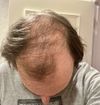
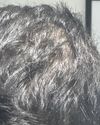
The user is pleased with hair regrowth after three months of using minoxidil and plans to start finasteride for further improvement. They experienced initial shedding but no significant side effects and are considering finasteride despite some medical hesitations.
CRISPR shows promise for treating hair loss by targeting specific genes. Current treatments include Minoxidil and finasteride, but CRISPR could offer a more precise solution, though it is still expensive and in early stages.
The conversation discusses androgenic alopecia (AGA) and its treatments, focusing on finasteride, minoxidil, and ketoconazole shampoo. Finasteride is recommended as essential for preventing further hair loss.
User reports 12 months of using Mexican finasteride (Novaride), minoxidil spray, and ketoconazole shampoo with significant crown improvement and slight frontal hairline improvement. No current side effects; plans to continue treatment for further gains.
A user shared their 11-year experience with spironolactone and nearly 5 years with finasteride for hair loss, recently adding oral minoxidil and stopping birth control. Various treatments were discussed, including organic options, checking for underlying health issues, considering dutasteride, and the potential role of progesterone in hair loss.
The conversation is about a meme related to hair loss that influenced someone to start taking finasteride. Another person agrees that the meme accurately represents the situation.
A user has been treating hair loss with finasteride for two years without success and is experiencing an itchy scalp with seborrhea. Despite low DHT levels, they are still losing hair, suggesting that DHT might not be the main cause of their hair loss, and they are considering other treatments or causes.
A user's successful hair regrowth over 33 months using daily finasteride and minoxidil, microneedling 2-4 times per month, and maintaining a healthy lifestyle. The user's progress has inspired others to consider similar treatments for hair loss.
HMI-115, a newly discovered hair loss treatment that could potentially be effective for those with diffuse thinning and telogen effluvium. It is based on prolactin receptor antagonist signaling and has already undergone Phase I trials in women, with potential commercialization by 2027.
A human trial involving the use of Verteporfin as a treatment for hair loss, which has been ongoing for 119 days with an update on its progress. Treatments such as Minoxidil, Finasteride and RU58841 have also been discussed.
In this conversation, 4990 discussed various treatments for hair loss, including oral minoxidil, PRP, transplan, Jak inhibitors, Dutasteride, Finasteride, Olumiant, Ketoconazole, RU58841, microneedling, baricitinib, and CCCA. They recommended scalp biopsies in unclear cases of DUPA, twice weekly to twice daily shampooing for topical minoxidil users, and two sessions spaced one month apart with follow up at month three to determine the effectiveness of PRP treatment.
A 50-year-old user shared their positive experience with hair regrowth using finasteride, minoxidil, biotin, pumpkin seed oil, derma rolling, biotin shampoo, and Nizoral. They reported significant improvement in hair density and regrowth, especially in the crown and mid-scalp areas, with no side effects.
User experienced hair regrowth after 6 months on finasteride and 3 months using keto shampoo, with no side effects. Others shared their experiences and gave advice on relationships and hair care.
A user is considering dutasteride mesotherapy versus oral finasteride for hair loss, with concerns about side effects. Other users share experiences with both treatments, suggesting oral finasteride as more effective and cost-efficient, while also discussing the use of minoxidil, alfatradiol, and potential side effects like gynecomastia.
Hair cloning was predicted to be a baldness cure within 3-4 years in 2004, but it has not materialized. Users express frustration and skepticism about the delay.
Male androgenetic alopecia is commonly treated with topical minoxidil and oral finasteride, both requiring continuous use. Other options include hair restoration surgery, dutasteride, light therapy, and camouflaging agents.
A user diluted a Hims spray with Kirkland's minoxidil to lower finasteride concentration and has been applying it for nearly 3 months, noticing baby hairs at the temples. They also use a dermastamp, saw palmetto, and biotin supplements, and are seeking advice on their hair loss stage.
A permanent hair loss solution could involve reprogramming hair follicles to resist DHT using mRNA and siRNA. However, high costs, safety concerns, and the pharmaceutical industry's preference for ongoing treatments over one-time cures are major obstacles, with finasteride and minoxidil remaining standard treatments.
A 23-year-old discusses their hair loss treatment using finasteride, dutasteride, oral and topical minoxidil, and topical tretinoin under medical supervision. They stress stabilizing hair loss before a hair transplant and plan to continue the regimen for at least 18 months.
OP underwent a hair transplant (HT) and has been using finasteride for one year. Despite having thin hair, OP is happy with the results and feels more confident.
A user named "EgyptStar81" who has been dealing with hair loss since age 15 due to genetics, chemotherapy and finasteride/minoxidil treatment. Possible solutions such as dutasteride, oral minoxidil, hair transplants and extensions were suggested.
User discusses two medications for stopping hair loss: Fin (finasteride) and Dut (dutasteride). Mixed experiences and side effects are shared, with some users seeing positive results.
After a year of using finasteride, topical minoxidil, Nizoral shampoo, and derma stamping, the user experienced significant hair regrowth and increased hair density, despite an initial shedding phase. The user attributes the success to consistency and patience, noting that derma stamping significantly boosted regrowth speed and quality.
The user has been using finasteride 1mg daily, oral minoxidil 5mg daily, and microneedling weekly, experiencing initial side effects like ball pain and weaker erections, which resolved over time. They reported improved hair density after 7 months and recommend adding derma stamping to the routine for better results.
Bee venom at 0.001% concentration was more effective than 2% minoxidil in promoting hair growth in mice, possibly due to increased growth factors and reduced inflammation. Caution is advised due to potential allergic reactions and the reliance on animal data.
The user experienced hair thickening and reduced shedding using minoxidil, finasteride, and dutasteride, with a switch from finasteride to dutasteride due to ineffectiveness. They also use a saw palmetto shampoo and take vitamin D3 supplements, while considering potential underlying causes like vitamin deficiencies and hard water buildup.
The user is experiencing significant hair loss and is considering treatments like minoxidil, finasteride, and possibly a hair transplant. They are advised to consult a dermatologist and consider oral minoxidil and dutasteride, while being aware of potential side effects and the need for ongoing treatment.
A 20-year-old is experiencing hair thinning and seeks advice on starting treatment and regrowing hair. They are considering using Minoxidil, finasteride, or RU58841.
Creatine may cause hair loss in some individuals, especially those on finasteride, despite no scientific link. Personal experiences suggest individual sensitivity to DHT could be a factor.