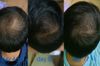
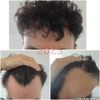
OP underwent a hair transplant (HT) and has been using finasteride for one year. Despite having thin hair, OP is happy with the results and feels more confident.
A user shared their positive experience with finasteride for hair loss, noting improved hair thickness and some regrowth after a year of use. They also mentioned using peppermint oil, collagen, Nizoral, zinc supplements, and hair and mane shampoo and conditioner.
The user maintained hair with finasteride for 4.5 years and noticed some progress with dutasteride after 6 months, experiencing reduced chest and facial hair. They did not use minoxidil and reported no side effects from either treatment.
A user shared their experience with hair loss treatment using finasteride (1mg) and minoxidil (1ml), noting significant shedding phases but hoping for improvement. Shedding is a common synchronized effect of the treatment, which may desynchronize over time, potentially taking over 5 years.
A 22-year-old male shared his positive experience using 1 mg finasteride daily for two years, noting significant hair thickening and texture improvement without side effects. Other users discussed their own hair loss treatments, including finasteride and minoxidil, and shared encouragement and advice.
A 47-year-old has been using finasteride since December 2022 to treat hair thinning and has seen gradual improvement, especially between March and August. They take 1mg three times a week and have noticed increased hair density and thickness.
The conversation discusses the belief that zinc, caffeine, and weightlifting may contribute to hair loss by increasing DHT levels. The original poster plans to reduce zinc and caffeine intake and stop weightlifting to see if it improves their hair condition.
A peptide-based delivery system for finasteride shows promise in reducing systemic side effects while maintaining hair growth effectiveness. Combining this with other treatments like minoxidil and RU58841 could enhance results with lower systemic absorption.
The conversation discusses skepticism about "5 in 1" and "3 in 1" hair loss treatments, which combine Dutasteride or Finasteride with Minoxidil, being overpriced and potentially ineffective. Users suggest buying individual components separately for cost savings and question the effectiveness of low concentrations in these combined products.
Pelage, backed by Google Ventures, is seen as a promising company potentially finding a cure for hair loss using stem cell activation. There is skepticism and optimism among users, with some awaiting results from ongoing trials.
User has been using 1.25 mg finasteride and 2.5 mg minoxidil daily for 5 months, along with 5000 mcg biotin for 1.5 months. They noticed peach fuzz growth around month 4 and are seeking confirmation if this indicates hair regrowth.
The conversation discusses an interview with Dr. Tsuji about hair follicle stem cell multiplication and the financial challenges of starting human clinical trials. It also mentions the need for funding to secure a patent for a protein that promotes hair growth.
Concerns about the effectiveness of DHT inhibitors like finasteride and minoxidil due to potential polymorph issues. Experts suggest these concerns are largely unfounded, especially compared to rare cases like ritonavir.
Concerns about the potential high cost of new hair loss treatments, pp405 and gt20029, were discussed, with some users willing to pay a premium if they are effective. Alternatives like finasteride and minoxidil are mentioned as current, more affordable options, and there is speculation about future generic versions and black market availability.
A user's 5-month progress with Finasteride 1mg for hair loss, which is showing promising results; other users have suggested adding additional treatments such as Minoxidil and Derma Rolling to further boost regrowth.
The user is considering reducing their finasteride dose from 2.5mg to 1.25mg to make the supply last longer and is concerned about potential changes in results. They have been using the 2.5mg dose for four months.
A user shared their experience with an FUE hair transplant at Dr. Cinik's clinic in Istanbul, detailing the procedure and recovery. They used Minoxidil and finasteride before the transplant and continued finasteride post-op, stopping Minoxidil as advised.
A 28-year-old male with a family history of baldness is deciding whether to start finasteride now or wait for visible hair changes. He is considering starting finasteride immediately to proactively address potential hair loss.
The conversation discusses the variability in effectiveness of medications, including finasteride, and questions whether different manufacturers impact results. The user suggests sharing successful brands to help others identify effective options.
Rejuv-3X, a topical blend with GHK-Cu, AHK-Cu, and JXL-089, is used for hair loss, offering a targeted option without finasteride's side effects. The user plans to combine it with microneedling for enhanced results.
A man stopped taking finasteride, a hair loss treatment, to improve his fertility. His sperm count and motility increased after stopping the medication, but sperm shape did not change.
Hair loss treatment using 1mg Fin daily and Nizoral shampoo twice a week for 10 months showed improvement after 6-10 months. No significant side effects experienced, except slightly watery semen.
GT20029 is a new hair loss treatment in Phase 3 trials in China, using PROTAC technology to target androgen receptors, potentially with fewer side effects than finasteride and minoxidil. VDPHL01, a second-generation minoxidil, is also mentioned as potentially more effective.
The conversation discusses using 1 mg finasteride daily and adding 0.5 mg dutasteride once a week to improve hair loss results. The user is curious if this combination is more effective than finasteride alone.
A user started taking finasteride 1mg/day for hair loss but hasn't seen results yet. They also take vitamins and asked about adding minoxidil and the effectiveness of LLLT.
A user shared their positive experience with finasteride over 1.5 years, noting significant hair regrowth and no side effects. They also mentioned unsuccessful attempts with minoxidil and are considering a hair transplant to improve their hairline.
The conversation discusses the effectiveness of a multivitamin containing Zinc, Biotin, B12, B6, B2, B1, Vitamin D, and Iron for hair loss. The multivitamin is from a reliable but inexpensive brand in Brazil.
The user has been using finasteride, minoxidil, ketoconazole shampoo, and a dermaroller for hair loss, noticing slowed hair loss but no regrowth. They recently added vitamins, zinc, and rosemary oil, seeking further advice on effective treatments.