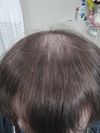
The user experienced anxiety and side effects from topical finasteride and is considering switching to saw palmetto. Another user reported no improvement with saw palmetto and experienced liver issues.
A person improved hair loss from Norwood 3 to Norwood 2 using a topical formula with minoxidil, dutasteride, and tretinoin, plus oral minoxidil and red light therapy. There is skepticism about the treatment's effectiveness and concerns about misleading comparison photos.
User experienced hair kinking after starting minoxidil, despite being on finasteride for two years. Another user confirmed similar issues and suggested switching brands due to propylene glycol in minoxidil.
The user experienced severe side effects from finasteride, including anxiety and libido issues, and is currently using topical minoxidil and microneedling. They are considering trying dutasteride but are concerned about potential side effects.
A user has been on finasteride for 6 months and feels their hair quality has worsened, experiencing more hair loss and scalp irritation. They are considering seeing a dermatologist, while others suggest the issue might be unrelated to finasteride, possibly due to deficiencies or other conditions.
PP405 is a new hair loss treatment showing early promise with a 20% hair density increase, but skepticism exists due to past failures of similar treatments like Pyrilutamide, RU58841, and Bimatoprost. Users debate its potential effectiveness, with some hopeful due to Google's involvement, while others urge caution without more evidence.
A young person regrets not starting hair loss treatments like minoxidil and finasteride earlier, leading to significant balding by age 19. They discuss the importance of early intervention and the impact of societal perceptions on those experiencing hair loss.
A 20-year-old male experiencing hair loss is using topical finasteride and recently added dutasteride but is still losing hair and considering giving up. Suggestions include being patient, giving dutasteride more time, trying oral finasteride, adding minoxidil, and considering other treatments like low-level laser therapy.
The user switched from oral minoxidil to topical minoxidil and added JXL-069/PP405-3HP, along with topical dutasteride, melatonin, and tretinoin. They also use low-level laser therapy (LLLT) but doubt its effectiveness.
The conversation discusses hair loss and bloodwork results, focusing on zinc, vitamin D, and ferritin levels. The user is experiencing telogen effluvium after surgery and seeks advice on supplementation.
A 24-year-old male is experiencing hair thinning and feels hopeless, considering treatments like finasteride and minoxidil but is concerned they might not work. He is also contemplating a dermatologist visit and is unable to afford a hair transplant.
Topical finasteride with minoxidil effectively stabilized and thickened hair but caused side effects like brain fog, reduced libido, and emotional flattening, leading to discontinuation. The user switched to a new regimen including minoxidil, KX-826, and other treatments, noting improvements in libido and vivid dreams after stopping finasteride.
The user experienced hair improvement after six months of using 1mg oral finasteride, with some side effects like reduced libido and initial mood changes. They are considering adding oral minoxidil for further regrowth.
22-year-old male started finasteride a month ago, experiencing increased hair loss and visible scalp. Unsure if treatment is working or if doing something wrong.
The user is seeking alternatives to Minoxidil due to heart issues and is considering microneedling with topical melatonin, copper peptides, resveratrol+fisetin, or stemoxydine, which reportedly have minimal side effects. They are asking for information on the effectiveness of these treatments.
The user discusses their hair loss experience, exploring various hypotheses including thyroid levels, vitamin D, DHEA, nutritional deficiency, diabetes, seborrheic dermatitis, lack of nutrition to hair follicles, chronic inflammation, female pattern hair loss causes, cortisol, and prolactin levels. They are currently using finasteride, beta-sitosterol, and have tried topical dutasteride and microneedling therapy.
The conversation discusses concerns about potential hairline miniaturization and whether to start finasteride as a preventive measure. Recommendations include consulting a specialist and considering treatments like finasteride, dutasteride, minoxidil, and ketoconazole.
The user started finasteride early for hair loss but saw no improvement, feeling hopeless despite adding dutasteride. Others suggest trying minoxidil, micro-needling, or considering blood flow issues, while some share similar struggles or suggest acceptance.
The user is considering stopping finasteride after 1.8 years due to concerns about side effects and is exploring alternatives like minoxidil and topical finasteride. They are also considering microneedling and are advised to wait for new treatments like breezula/clascoterone.
The user is considering using CB or clascoterone for hair loss, potentially as an alternative to RU. They're also contemplating asking a dermatologist for topical clascoterone cream to apply to their temple.
User considers scalp micropigmentation (SMP) for hair loss. Mixed opinions shared; some regret it, others satisfied. Choosing reputable clinic and technician is important.
A user experienced high estrogen levels after 10 months of taking 1mg oral finasteride but is happy with hair regrowth. They are considering switching to topical finasteride and are also taking DIM and Zinc supplements.
A user has been using a new brand of minoxidil called VIOFAIRY for six months and finds it effective, though the labeling has misspellings. They are seeking feedback from others who have tried this brand.
A 21-year-old male is anxious about hair loss and its impact on marriage prospects. He has been using Minoxidil for 3 years, plans to start Finasteride in January 2023, and is also using Procapil and supplements.
The conversation discusses the user's experience with oral minoxidil for hair loss and a possible increase in facial wrinkles, leading to a plan to ask for a tretinoin prescription. Specific treatments mentioned are oral minoxidil and the intention to use tretinoin.
The user is experiencing sleep issues after starting finasteride for hair loss and is considering using magnesium or melatonin to improve sleep. Other users suggest that sleep disturbances are a common side effect initially, but may improve over time.