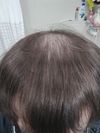
A 22-year-old is planning a hair transplant for the end of 2027 and is currently using finasteride, switching to dutasteride soon, and taking oral minoxidil to stabilize hair loss. They are seeking advice on candidacy and the number of grafts needed.
The user is pausing finasteride for blood donation and is concerned about its effect on DHT levels. They plan to supplement with saw palmetto and pumpkin seed oil during the pause.
The user has been using finasteride 1mg daily, oral minoxidil 5mg daily, and microneedling weekly, experiencing initial side effects like ball pain and weaker erections, which resolved over time. They reported improved hair density after 7 months and recommend adding derma stamping to the routine for better results.
A user shared their hair regrowth progress using 1 mg finasteride, 10% minoxidil with 0.1% finasteride solution, and derma rolling, noting significant improvement in crown density over five months. They experienced initial shedding but reported no side effects from finasteride and plan to continue treatment for 10-11 months before deciding on future steps.
Alfatradiol is considered a mild treatment for hair loss, often used alongside other treatments like finasteride, minoxidil, and dutasteride. Users report it helps maintain hair but is not effective for regrowth on its own.
A recent discovery in hair cloning identified a previously unknown cell type essential for hair follicle growth, which could potentially make lab-grown hair viable if translated to humans. However, skepticism remains due to past delays and the challenges of replicating results in humans and making the process affordable.
The conversation is about using RF microneedling with ExoHealer, along with finasteride and minoxidil, to improve hair thickness and reduce shedding. The user reports noticeable improvements in scalp texture and oiliness, with plans to consider stem cell treatments in the future.
A 24-year-old male is experiencing hair thinning and feels hopeless, considering treatments like finasteride and minoxidil but is concerned they might not work. He is also contemplating a dermatologist visit and is unable to afford a hair transplant.
The user is considering switching from pyrilutamide to 0.025% topical finasteride due to concerns about effectiveness and past side effects from a scalp elixir. They aim to maintain hair until new treatments like breezula or GT00029 become available.
Oral minoxidil dosing should be based on body weight to minimize side effects, with higher doses increasing risks like pericardial effusion. Combining oral minoxidil with topical treatments and finasteride can improve hair growth, but regular heart health monitoring is essential.
Hair regrowth was achieved using minoxidil, nizoral, alfatrodial, and pyrilutamide after finasteride caused side effects. The user recommends this combination for those who can't tolerate 5AR inhibitors, stressing consistent use.
The user is considering adjusting tretinoin strength to enhance minoxidil effectiveness, questioning whether to use 0.025% or 0.01% instead of 0.05% due to increased hair shedding. They have been using finasteride, minoxidil, and Nizoral, and are contemplating reintroducing microneedling.
Finasteride is humorously blamed for causing car problems and bizarre side effects. Users joke about switching to treatments like dutasteride and minoxidil.
A 20-year-old male has been experiencing hair loss since age 16 and has tried various treatments including topical minoxidil, topical and oral finasteride, and oral dutasteride with minoxidil, but has not seen significant improvement. He is currently using 1.5mg dutasteride and 5mg oral minoxidil daily, along with derma penning, and is seeking advice on regrowing hair to avoid using hair fibers.
Dutasteride often stops hair loss quickly, with some users noticing reduced shedding and thicker hair within a few months. Some users combine it with minoxidil for better results, though side effects like lower libido and initial shedding are common.
The user experienced a decrease in libido after long-term use of Finasteride and wonders if it's related to the medication. Responses suggest that hormonal changes and libido fluctuations are normal and may not be solely due to Finasteride.
Users discussed hair loss treatments, including minoxidil, finasteride, and dutasteride, with some reporting significant hair regrowth and reduced shedding. The conversation highlighted the effectiveness of starting treatments early and the use of both oral and topical applications.
The user shared positive results after using 5% minoxidil foam nightly and dermastamping weekly for hair growth, noting significant progress after three months. They plan to add finasteride in the future but are currently avoiding it due to age.
Pumpkin seed oil is considered a weak DHT blocker compared to finasteride and dutasteride, with some users reporting side effects like mood changes and reduced libido. Despite some anecdotal benefits for urinary issues, it is not effective for hair loss, and finasteride is preferred by some users for its lack of side effects.
A user shared their hair loss treatment regimen, which includes minoxidil, finasteride, ketoconazole shampoo, stemoxydine, and microneedling, and reported promising results. Other users complimented the progress.
A user shared their experience with two hair transplants in Istanbul, highlighting the importance of choosing clinics with a low doctor-to-patient ratio, ISHRS membership, thorough consultations, and reliable aftercare. They emphasized the significance of PRP shots post-procedure and advised careful selection of clinics, especially for crown procedures, due to limited donor area opportunities.
The user experienced hair regrowth with dutasteride and oral minoxidil from October 2025 to January 2026, but mid-scalp density decreased afterward despite continued treatment. Ketoconazole improves scalp condition, but stopping it worsens hair appearance.
The user shared their 4-month hair loss treatment progress using oral minoxidil, oral dutasteride, topical minoxidil, derma stamping, scalp massages, and ketoconazole shampoo. They reported no side effects and received positive feedback on their results.
Adding tretinoin to a regimen of minoxidil and finasteride led to increased hair shedding and worsened hairline for some users. Opinions vary, with some experiencing negative effects and others seeing no issues, but concerns about tretinoin's impact on hair loss are common.
The user experienced severe hair shedding from months 10 to 14 but saw significant hair regrowth after continuing treatment with 1.2 mg finasteride and 3 mg minoxidil. They advise not to give up on medication despite initial setbacks.
The user has been using topical finasteride and minoxidil for two years with decent regrowth and recently added microneedling to their routine. They are questioning if the small hairs observed are new regrowth from microneedling or just vellus or miniaturized hairs.
The user has seen hair regrowth after 6 months using finasteride, minoxidil, and topical finasteride, and is considering whether to continue or opt for a hair transplant. Others shared experiences with shedding and encouraged continuing the regimen for more results.
The user discovered their previous hair loss medication was counterfeit and switched to Propecia, which significantly lowered their DHT levels. They plan to continue using Propecia and add oral Minoxidil to their routine for better results.
The user experienced severe side effects from oral finasteride, including sexual dysfunction and mental health issues, and switched to topical finasteride, which led to significant hair shedding. They are considering other treatments like RU58841 or topical dutasteride and are advised to check testosterone levels and address potential underlying health issues.