151 citations
,
June 2010 in “Endocrinology and metabolism clinics of North America” Two rare genetic diseases cause severe rickets in children due to defects in vitamin D metabolism.
 1 citations
,
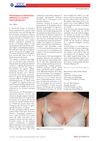
August 2012 in “Journal der Deutschen Dermatologischen Gesellschaft”
1 citations
,
August 2012 in “Journal der Deutschen Dermatologischen Gesellschaft” A woman's hyperandrogenism was caused by a genetic mutation leading to non-classic adrenogenital syndrome.
36 citations
,
January 2010 in “Journal of Pediatric Endocrinology and Metabolism” A new gene mutation causes vitamin D resistance and hair loss in two unrelated girls.
January 2017 in “Elsevier eBooks” Congenital Adrenal Hyperplasia is mainly caused by enzyme deficiencies, leading to varying symptoms like hormone imbalances and physical changes.
 October 2024 in “Journal of the Endocrine Society”
 A rare genetic mutation causes resistance to vitamin D, leading to severe rickets and requiring high doses of calcium and vitamin D for treatment.
2 citations
,
July 2013 in “Journal of Life Sciences” A 2-year-old girl with a rare vitamin D disorder had rickets and hair loss, but treatment was ineffective due to poor compliance.
47 citations
,
February 1998 in “Journal of bone and mineral research” A specific gene mutation causes vitamin D-resistant rickets and hair loss.
 January 2023 in “Endocrine Journal”
 Treating classic 21-hydroxylase deficiency requires precise glucocorticoid dosing and attention to individual patient needs, with new treatments showing promise.
 August 2019 in “International journal of contemporary pediatrics”
 A child with a rare type of rickets showed some improvement with high doses of vitamin D, but such conditions often respond poorly to treatment.
October 2024 in “Journal of the Endocrine Society” A rare genetic mutation causes resistance to vitamin D, leading to severe rickets and requires high doses of calcium and vitamin D for management.
37 citations
,
October 2006 in “Archives of Biochemistry and Biophysics” A unique gene mutation causes vitamin D-resistant rickets without causing hair loss.
June 2025 in “Molecular Genetics & Genomic Medicine” Severe genetic variants in children with a specific adrenal condition match predicted symptoms well, but milder variants do not.
 16 citations
,
September 2008 in “Dermatologic Therapy”
16 citations
,
September 2008 in “Dermatologic Therapy” CAH is a genetic disorder affecting cortisol production and causing hormonal imbalances, with treatment and diagnosis varying by form and symptoms.
8 citations
,
December 2016 in “Hormone Research in Paediatrics” Tunisian children with hereditary vitamin D-resistant rickets showed improvement with calcium treatment, and new genetic mutations were identified.
 7 citations
,
June 1989 in “Steroids”
7 citations
,
June 1989 in “Steroids” Researchers successfully made new compounds for hormone level tests, but one attempt led to an unexpected product, correcting a past error.
 October 2007 in “Clinical Biochemistry”
 New genotype linked to non-classical congenital adrenal hyperplasia found in Italian siblings.
13 citations
,
April 1994 in “Baillière's clinical endocrinology and metabolism” Some people have genetic mutations that make them resistant to vitamin D, leading to rickets even with enough vitamin D intake.
 4 citations
,
November 2022 in “Frontiers in endocrinology”
4 citations
,
November 2022 in “Frontiers in endocrinology” The enzyme 5α-reductase type 1 is important for blood vessel development and fertility in the uterus.
 7 citations
,
June 2016 in “Bone Research”
7 citations
,
June 2016 in “Bone Research” A Chinese family had a child with a specific gene mutation causing vitamin D-resistant rickets, but the child improved with calcium and low-dose calcitriol.
1 citations
,
May 2013 in “Hair transplant forum international” Non-classical 21 hydroxylase deficiency is an underdiagnosed cause of female hair loss and polycystic ovarian syndrome.
11 citations
,
June 1979 in “British Journal of Dermatology” The enzyme system in hair follicles is similar to the liver's and is affected by certain inhibitors.
April 2019 in “Journal of the Endocrine Society” An over-the-counter vitamin/mineral supplement improved hair loss and blood sugar control in a woman with non-classic 11-hydroxylase deficiency.
107 citations
,
March 2014 in “BoneKEy Reports” Mutations in the vitamin D receptor cause hereditary vitamin D-resistant rickets, leading to poor bone health and requiring high calcium doses for treatment.
 May 2022 in “bioRxiv (Cold Spring Harbor Laboratory)”
 The enzyme 5α-reductase is important for proper blood vessel development during the fertility-related transformation of the uterus lining.
 June 2023 in “Medicine and Pharmacy Reports”
 A woman with a specific mutation causing adrenal gland issues faced fertility problems, but careful hormone therapy helped her manage it successfully.
73 citations
,
April 1999 in “Journal of steroid biochemistry and molecular biology/The Journal of steroid biochemistry and molecular biology” Vitamin D receptor is crucial for bone health and mineral metabolism.
2 citations
,
January 2017 in “Case reports in endocrinology” Ashwagandha root improved symptoms of nonclassic 11-hydroxylase deficiency in an elderly woman.
88 citations
,
October 1983 in “The Journal of clinical endocrinology and metabolism/Journal of clinical endocrinology & metabolism” Patients with this syndrome can have different responses and worsening resistance to treatment over time.
5 citations
,
July 2017 in “International journal of endocrinology and metabolism/International journal of endocrinology and metabolism.” Two siblings with a genetic mutation had a form of rickets that doesn't respond to vitamin D.
 July 2017 in “Contemporary Endocrinology”
 The document concludes that patient outcomes for Congenital Adrenal Hyperplasia are often not ideal because of poor management and a need for better diagnosis and treatment methods.