81 citations
,
March 1985 in “Journal of Clinical Investigation” Measuring 24-OHase induction helps identify defects in vitamin D processing and predict treatment response.
 81 citations
,
July 2008 in “The Journal of Clinical Endocrinology and Metabolism”
81 citations
,
July 2008 in “The Journal of Clinical Endocrinology and Metabolism” Certain mutations in the H6PD gene cause Cortisone Reductase Deficiency by affecting hormone production.
January 2023 in “Pediatrics International” Non-classical 21-hydroxylase deficiency can be missed in newborn screenings and should be considered in cases of early puberty or virilization.
115 citations
,
March 2001 in “Baillière's best practice and research in clinical endocrinology and metabolism/Baillière's best practice & research. Clinical endocrinology & metabolism” Key enzymes control androgen levels, affecting hormone activity and potential treatments.
 6 citations
,
June 2018 in “Journal of pediatric endocrinology & metabolism/Journal of pediatric endocrinology and metabolism”
6 citations
,
June 2018 in “Journal of pediatric endocrinology & metabolism/Journal of pediatric endocrinology and metabolism” Patients with the same genetic mutation for vitamin D-resistant rickets showed different symptoms but all improved with treatment except for hair loss.
June 2026 in “Quality in Sport” CAH requires a multidisciplinary approach, and while current treatments help, future therapies show promise.
 November 2022 in “Journal of the Endocrine Society”
 Estrogen deficiency can reduce the enzyme activity needed to activate vitamin D.
January 1983 in “Elsevier eBooks” Masculinization in affected individuals occurs gradually after puberty due to hormone changes.
50 citations
,
September 2009 in “Molecular Genetics and Metabolism” A new gene mutation causes vitamin D resistance and rickets, treatable with calcium therapy.
 7 citations
,
June 1989 in “Steroids”
7 citations
,
June 1989 in “Steroids” Researchers successfully made new compounds for hormone level tests, but one attempt led to an unexpected product, correcting a past error.
37 citations
,
August 2011 in “Journal of Bone and Mineral Research” A girl had rickets due to a gene mutation affecting vitamin D response.
41 citations
,
January 2000 in “Hormone Research in Paediatrics” Cortisone reductase deficiency can cause high androgen and cortisol levels and may be missed in women with similar symptoms.
 45 citations
,
September 1998 in “Journal of Investigative Dermatology”
45 citations
,
September 1998 in “Journal of Investigative Dermatology” The enzyme 17β-HSD type 2 mainly performs oxidation in human sebaceous glands, which may help protect against acne.
98 citations
,
July 1983 in “Journal of Steroid Biochemistry” Individuals with this condition often develop male traits and identities at puberty despite being raised as females.
11 citations
,
June 1979 in “British Journal of Dermatology” The enzyme system in hair follicles is similar to the liver's and is affected by certain inhibitors.
845 citations
,
February 2001 in “The Journal of Clinical Endocrinology & Metabolism” The enzyme for activating vitamin D is found in many body tissues, not just the kidneys.
 140 citations
,
April 2004 in “The journal of investigative dermatology/Journal of investigative dermatology”
140 citations
,
April 2004 in “The journal of investigative dermatology/Journal of investigative dermatology” The enzyme 25 Hydroxyvitamin D 1 α-Hydroxylase is essential for healthy skin and recovery after skin damage.

Low-dose glucocorticoid treatment improves pregnancy and birth rates in women with nonclassical 21-hydroxylase deficiency.
 24 citations
,
November 2008 in “Arquivos Brasileiros de Endocrinologia & Metabologia”
24 citations
,
November 2008 in “Arquivos Brasileiros de Endocrinologia & Metabologia” Four patients with a type of rickets and hair loss had different mutations in their vitamin D receptor gene, causing it to not work properly.
56 citations
,
November 2007 in “Molecular and cellular endocrinology” Two enzymes regulate androgen receptor activity, affecting treatments for androgen insufficiency and benign prostatic hyperplasia.
54 citations
,
November 1995 in “The Journal of Clinical Endocrinology & Metabolism” Females with 5 alpha-reductase-2 deficiency have less body hair, no acne, normal fertility, and delayed menarche.
2 citations
,
January 2017 in “Case reports in endocrinology” Ashwagandha root improved symptoms of nonclassic 11-hydroxylase deficiency in an elderly woman.
 January 2023 in “Endocrine Journal”
 Treating classic 21-hydroxylase deficiency requires precise glucocorticoid dosing and attention to individual patient needs, with new treatments showing promise.
 10 citations
,
September 2015 in “PLoS ONE”
10 citations
,
September 2015 in “PLoS ONE” New mutations in the VDR gene cause vitamin D-resistant rickets without hair loss.
A new mutation in the CYP11B1 gene was found in a woman with mild hyperandrogenemia, a rare cause of non-classic congenital adrenal hyperplasia.
57 citations
,
August 1997 in “Pediatrics International” VDDR I and II are genetic disorders affecting vitamin D use, causing rickets, with VDDR I treatable by vitamin D supplements and VDDR II needing high doses and calcium.
13 citations
,
January 1997 in “Biochemical Pharmacology” Human liver enzyme DHEA ST helps process minoxidil.
 2 citations
,
April 2013 in “Expert Review of Endocrinology & Metabolism”
2 citations
,
April 2013 in “Expert Review of Endocrinology & Metabolism” Identifying nonclassic congenital adrenal hyperplasia and carriers of CYP21 mutations is challenging, and genetic counseling is recommended due to their prevalence.
7 citations
,
July 2001 in “Endocrinology” Vitamin D 1α-hydroxylase is crucial for bone health and vitamin D metabolism.
 1 citations
,
August 2012 in “Journal der Deutschen Dermatologischen Gesellschaft”
1 citations
,
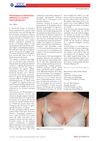
August 2012 in “Journal der Deutschen Dermatologischen Gesellschaft” A woman's hyperandrogenism was caused by a genetic mutation leading to non-classic adrenogenital syndrome.