 5 citations
,
April 2014 in “European Journal of Obstetrics & Gynecology and Reproductive Biology”
5 citations
,
April 2014 in “European Journal of Obstetrics & Gynecology and Reproductive Biology” AMH levels can't reliably tell the difference between LOCAH and all types of PCOS in women with excessive hair growth.
 67 citations
,
September 2008 in “Dermatologic therapy”
67 citations
,
September 2008 in “Dermatologic therapy” Hirsutism is excessive hair growth in women often caused by polycystic ovarian syndrome, and identifying the cause is important for managing associated health risks.
 November 2016 in “Elsevier eBooks”
 Genetic mutations can affect female sexual development, requiring personalized medical care.
 9 citations
,
June 2014 in “European Journal of Obstetrics & Gynecology and Reproductive Biology”
9 citations
,
June 2014 in “European Journal of Obstetrics & Gynecology and Reproductive Biology” Blood AMH levels are higher in women with PCOS than in those with other similar conditions.
 35 citations
,
March 2012 in “Experimental and Clinical Endocrinology & Diabetes”
35 citations
,
March 2012 in “Experimental and Clinical Endocrinology & Diabetes” The conclusion is that accurately identifying the cause of high androgen levels in women with PCOS is crucial and requires specific tests.
 5 citations
,
January 2017 in “Endocrinology”
5 citations
,
January 2017 in “Endocrinology” Genetic defects in testosterone production can cause hormonal and developmental disorders, and more research is needed to understand androgen regulation and develop safer treatments.
 94 citations
,
April 2002 in “The Journal of clinical endocrinology and metabolism/Journal of clinical endocrinology & metabolism”
94 citations
,
April 2002 in “The Journal of clinical endocrinology and metabolism/Journal of clinical endocrinology & metabolism” A new gene mutation causes female pseudohermaphroditism due to glucocorticoid resistance.
 62 citations
,
August 2018 in “Frontiers in Endocrinology”
62 citations
,
August 2018 in “Frontiers in Endocrinology” Androgens are important for normal ovarian function and estrogen production, but may not be the main cause of follicle death.
 31 citations
,
January 1995 in “The American journal of medicine”
31 citations
,
January 1995 in “The American journal of medicine” Testosterone and dihydrotestosterone play a role in women's health issues like excess hair and baldness, and treatments blocking these hormones may help.
 71 citations
,
November 2013 in “Clinics in Dermatology”
71 citations
,
November 2013 in “Clinics in Dermatology” Acne is a chronic disease linked to various systemic conditions and has significant psychological and social effects.
 19 citations
,
July 2013 in “The obstetrician & gynaecologist”
19 citations
,
July 2013 in “The obstetrician & gynaecologist” The document concludes that careful evaluation is needed to diagnose PCOS correctly due to similar symptoms in other conditions, and accurate testosterone level measurement is crucial.
 31 citations
,
January 2018 in “Pediatric annals”
31 citations
,
January 2018 in “Pediatric annals” Early adrenal gland maturation in young children can be normal, but other serious conditions should be ruled out first.
 31 citations
,
November 2014 in “Journal of Endocrinological Investigation”
31 citations
,
November 2014 in “Journal of Endocrinological Investigation” Women with androgen excess, especially those with PCOS, have a much higher risk of heart disease and stroke.
 45 citations
,
January 2006 in “Endocrine journal”
45 citations
,
January 2006 in “Endocrine journal” To diagnose Polycystic Ovarian Syndrome, two out of three signs—irregular periods, high male hormone levels, or cysts on the ovaries—are needed.
 41 citations
,
April 2010 in “Gender Medicine”
41 citations
,
April 2010 in “Gender Medicine” The conclusion is that hirsutism should be diagnosed and treated because it affects quality of life and may signal other health problems.
 24 citations
,
January 2013 in “Indian Journal of Dermatology, Venereology and Leprology”
24 citations
,
January 2013 in “Indian Journal of Dermatology, Venereology and Leprology” Hormonal treatment is effective for women with acne not helped by usual treatments, especially if they have hormonal imbalances.
 29 citations
,
March 2019 in “British Journal of Dermatology”
29 citations
,
March 2019 in “British Journal of Dermatology” Acne is significantly influenced by genetics, and understanding its genetic basis could lead to better, targeted treatments.
 3 citations
,
April 2020 in “Clinical endocrinology and metabolism journal”
3 citations
,
April 2020 in “Clinical endocrinology and metabolism journal” Imaging helps detect adrenal gland issues and monitor treatment in congenital adrenal hyperplasia, and can identify tumors affecting fertility.
 38 citations
,
October 2006 in “Fertility and Sterility”
38 citations
,
October 2006 in “Fertility and Sterility” The document concludes that identifying the cause of amenorrhea is crucial for proper treatment.
 February 2024 in “Biomedicines”
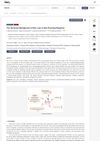
 Hormones like androgens, estrogen, thyroid hormones, and stress hormones can contribute to hair loss, and treatments target these hormonal imbalances.
 50 citations
,
February 2013 in “Annals of Clinical Biochemistry”
50 citations
,
February 2013 in “Annals of Clinical Biochemistry” Understanding how DHT works is important for diagnosing and treating hormone-related disorders.
2 citations
,
January 2017 Personalized treatment is crucial for women with hyperandrogenism-related acne and hirsutism.
1 citations
,
January 2023 Hyperandrogenism in women often causes acne and excess hair, treatable with personalized plans including weight loss, hair removal, and medications.
1 citations
,
January 2015 Hyperandrogenism in women often causes acne and excess hair, treatable with lifestyle changes and medications.
 January 2016 in “Springer eBooks”
 Hyperandrogenism, often causing excessive hair growth and acne, can be treated with methods like weight reduction, hair removal, various medications, and in the case of acne, topical treatments.
3 citations
,
May 2025 in “Clinical Endocrinology” Evaluate and manage androgen excess in women with a systematic approach, considering both physical and psychological impacts.
 2 citations
,
May 2018 in “Diagnosis”
2 citations
,
May 2018 in “Diagnosis” A 68-year-old woman developed male traits due to a tumor in her ovary, which was removed, returning her hormone levels to normal.
1 citations
,
May 2022 in “Reproductive Endocrinology” Accurate diagnosis and treatment of hyperandrogenism in women require comprehensive evaluation of symptoms and hormone levels.
 14 citations
,
March 2022 in “Clinical Endocrinology”
14 citations
,
March 2022 in “Clinical Endocrinology” The document concludes that a systematic approach is crucial to identify causes of androgen excess in women beyond the most common cause, Polycystic ovary syndrome (PCOS).
 18 citations
,
October 2016 in “Clinics in Dermatology”
18 citations
,
October 2016 in “Clinics in Dermatology” The document talks about hard-to-treat and rare acne types, their connection with other health issues, the importance of correct diagnosis, and the challenges in managing them.