 4 citations
,
November 2023 in “Nano biomedicine and engineering”
4 citations
,
November 2023 in “Nano biomedicine and engineering” Nanomaterials can improve wound healing by helping with cell growth, preventing infection, and reducing inflammation.
3 citations
,
December 2021 in “IntechOpen eBooks” Bionanomaterials from natural sources show promise in improving wound healing and tissue regeneration.
 62 citations
,
October 2010 in “Journal of biomedical nanotechnology”
62 citations
,
October 2010 in “Journal of biomedical nanotechnology” Nanoparticles can enter the skin, potentially causing toxicity, especially in damaged skin.
27 citations
,
January 2022 in “Current Research in Biotechnology” The nanofibers are safe, release medicine slowly, and kill bacteria, making them good for wound healing.
 April 2026 in “Zenodo (CERN European Organization for Nuclear Research)”
 Nanocrystals improve drug delivery and effectiveness.
 10 citations
,
January 2016 in “Elsevier eBooks”
10 citations
,
January 2016 in “Elsevier eBooks” Nanoparticles can speed up wound healing and deliver drugs effectively but may have potential toxicity risks.
 1 citations
,
November 2020 in “Asian Journal of Pharmaceutical and Clinical Research”
1 citations
,
November 2020 in “Asian Journal of Pharmaceutical and Clinical Research” Nanoparticles may improve treatment for lung disease by targeting cells better and reducing side effects.
 January 2024 in “Authorea (Authorea)”
 Nanomaterials can significantly improve wound healing and future treatments may include smart, real-time monitoring.
5 citations
,
October 2022 in “Materials Research Express” The nanofibers effectively fight bacteria and help wounds heal faster.
559 citations
,
October 2020 in “Frontiers in Molecular Biosciences” Solid lipid nanoparticles are promising for safe and effective drug delivery but need more research for clinical use.
 1 citations
,
June 2025 in “International Journal of Plant and Environment”
1 citations
,
June 2025 in “International Journal of Plant and Environment” Nickel oxide nanoparticles made with plant extract can kill bacteria and fungi and break down dyes.
 January 2022 in “Elsevier eBooks”
 Nanospanlastics are effective in targeted drug delivery for chronic diseases, improving skin conditions, treating hair loss, and increasing drug absorption.
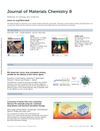 January 2016 in “Journal of Materials Chemistry B”
 Advancements in biomaterials and nanotechnology are improving medical applications like hair growth, bone regeneration, and cancer treatment.
191 citations
,
October 2012 in “International Current Pharmaceutical Journal” Solid lipid nanoparticles are promising for delivering various drugs and improving treatment effectiveness.
5 citations
,
December 2023 in “Materials” Organic and biogenic nanocarriers can improve drug delivery but face challenges like consistency and safety.
11 citations
,
January 2015 in “Journal of nanomedicine & biotherapeutic discovery” Nanotechnology is improving skin treatments and cosmetics.
September 2023 in “bioRxiv (Cold Spring Harbor Laboratory)” Microneedle patches with different pore sizes can effectively deliver drugs and trigger strong immune responses.
 19 citations
,
July 2015 in “Journal of Ginseng Research”
19 citations
,
July 2015 in “Journal of Ginseng Research” Korean Red Ginseng may protect against hair loss caused by chemotherapy.

The document provides 70 multiple choice questions to improve haematology skills.
 41 citations
,
August 2024 in “Drug Delivery and Translational Research”
41 citations
,
August 2024 in “Drug Delivery and Translational Research” 3D-printed microneedles improve drug delivery by being precise, cost-effective, and less invasive.
57 citations
,
January 2024 in “ACS Nano” Black phosphorus nanosheets help heal large wounds by reducing inflammation and promoting tissue regeneration.
57 citations
,
December 2012 in “Journal of Biomedical Optics” Confocal microscopy is useful for studying how nanoparticles interact with skin.
10 citations
,
September 2022 in “Journal of Composites Science” Cricket nanochitin is denser and stronger than crab nanochitin.

Chitosan composites with silver or zinc oxide nanoparticles effectively prevent microbial growth.
 8 citations
,
January 2023 in “RSC Advances”
8 citations
,
January 2023 in “RSC Advances” Carbon dots show promise for tissue repair and growth but need more research to solve current challenges.
January 2019 in “Springer eBooks” PLGA nanospheres in cosmetics improve skin and hair treatment effectiveness.
3 citations
,
June 2025 in “Biomedical Reports” Nanotechnology can improve cervical cancer treatment by targeting drugs better and reducing side effects.
 March 2024 in “International journal of nanomedicine”
 Polymeric nanohydrogels show potential for skin drug delivery but have concerns like toxicity and regulatory hurdles.
 3 citations
,
January 2019 in “Jikken doubutsu ihou/Jikken doubutsu/Experimental animals/Jikken Dobutsu”
3 citations
,
January 2019 in “Jikken doubutsu ihou/Jikken doubutsu/Experimental animals/Jikken Dobutsu” Pigs without the Hairless gene showed skin and thymus changes, useful for studying human hair disorders.
 April 2025 in “Indian Journal of Pharmaceutical Education and Research”
 Nanofibers improve skincare products by enhancing drug delivery and hydration.