 110 citations
,
August 2015 in “Neuropsychopharmacology”
110 citations
,
August 2015 in “Neuropsychopharmacology” High-dose dutasteride reduces PMDD symptoms by stabilizing neurosteroid levels.
151 citations
,
June 2010 in “Endocrinology and metabolism clinics of North America” Two rare genetic diseases cause severe rickets in children due to defects in vitamin D metabolism.
 January 2026 in “RSC Advances”
 Epristeride's metabolism in zebrafish helps improve doping detection methods.
1 citations
,
January 2023 in “Frontiers in Physiology” The method allows precise cell removal without harming nearby tissues.
 February 2009 in “Journal of The American Academy of Dermatology”
 The document concludes that detailed clinical descriptions of seven family cases help understand dominant dystrophic epidermolysis bullosa's symptoms and inheritance.
July 2024 in “International Journal of Molecular Sciences” The inhibitor DPP can promote hair growth.
 September 2018 in “Value in Health”
 Orphan drug benefit scores in Germany are influenced by phase III data and lack of alternatives, but not linked to price or discounts.
 June 2023 in “International Journal of Research in Medical Sciences”
 Two brothers from Bangladesh were diagnosed with X-linked adrenoleukodystrophy, showing neurological and adrenal symptoms.
 10 citations
,
January 2011 in “Annals of Dermatology”
10 citations
,
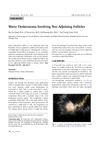
January 2011 in “Annals of Dermatology” A rare scalp tumor involving two hair follicles was successfully removed with surgery, with no recurrence after 7 months.
 35 citations
,
August 2004 in “Epilepsy & behavior”
35 citations
,
August 2004 in “Epilepsy & behavior” Extended-release divalproex is better tolerated and more effective for seizures and psychiatric symptoms than delayed-release divalproex, but doesn't reduce hair loss.
63 citations
,
January 2010 in “Frontiers in Aging Neuroscience” 3α-androstanediol helps reduce age-related cognitive and mood declines in male rats, unlike testosterone.
 9 citations
,
March 1989 in “The BMJ”
9 citations
,
March 1989 in “The BMJ” Adding diltiazem to a beta blocker can cause dangerously slow heart rates.
1 citations
,
June 2019 in “Journal of Cutaneous Immunology and Allergy” Squaric acid dibutylester can cause severe skin reactions in people with allergies.
 1 citations
,
January 1984 in “Pediatric Dermatology”
1 citations
,
January 1984 in “Pediatric Dermatology” Upcoming pediatric dermatology events and submission guidelines were announced.
 January 2023 in “PARIPEX INDIAN JOURNAL OF RESEARCH”
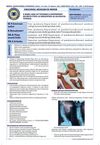
 Vitamin D Dependent Rickets Type-2A can cause complete hair loss and bone growth issues in infants.
A rare genetic mutation causes Woodhouse-Sakati syndrome symptoms.
97 citations
,
December 2011 in “New England Journal of Medicine” The FDA did not approve certain drugs for prostate cancer prevention due to concerns about their effectiveness and potential risks.
 7 citations
,
January 1989 in “Leprosy Review”
7 citations
,
January 1989 in “Leprosy Review” A woman with leprosy improved after stopping dapsone and getting treatment for a severe skin reaction and nail changes.

New methods efficiently isolate dermal papilla cells from hair follicles, preserving their characteristics better than traditional methods.
 18 citations
,
February 2018 in “International Journal of Molecular Sciences”
18 citations
,
February 2018 in “International Journal of Molecular Sciences” PGD2 increases androgen receptor activity in hair cells, which could be targeted to treat hair loss.
 2 citations
,
October 2002 in “American Journal of Nursing”
2 citations
,
October 2002 in “American Journal of Nursing” Taking the same medication under different brand names caused harmful side effects.
January 2026 in “Advanced Science” A new wound dressing helps heal diabetic wounds faster by reducing inflammation and promoting tissue growth.
October 2019 in “Asian College of Neuropsychopharmacology” 3 citations
,
November 2021 in “Skin Appendage Disorders” Home-use treatment for severe alopecia areata is as effective as office-use but costs half as much.
 4 citations
,
January 2017 in “Journal of pediatric endocrinology & metabolism/Journal of pediatric endocrinology and metabolism”
4 citations
,
January 2017 in “Journal of pediatric endocrinology & metabolism/Journal of pediatric endocrinology and metabolism” Two different mutations in the vitamin D receptor gene cause different symptoms and responses to treatment in Lebanese patients with hereditary rickets.
 37 citations
,
April 2010 in “FEBS Letters”
37 citations
,
April 2010 in “FEBS Letters” The study concludes that the EDA2R gene is activated by p53 during chemotherapy but is not necessary for chemotherapy-induced hair loss.
August 2025 in “Journal of Polymer Science” AcD scaffolds improve tissue repair and regeneration by combining stem cells with a supportive matrix.
4 citations
,
April 2019 in “JAAD Case Reports” DPR can cause skin, hair, and nail issues, sometimes appearing later in life.
4 citations
,
January 2006 in “PubMed” DHT deficiency may disrupt rat epididymis function by affecting estrogen receptors.
31 citations
,
December 2016 in “Anais Brasileiros de Dermatologia” DHEA reduction may be linked to frontal fibrosing alopecia, but more research is needed.