 19 citations
,
February 2018 in “Lasers in Medical Science”
19 citations
,
February 2018 in “Lasers in Medical Science” Red light and LED treatments help hair grow by activating a specific cell signaling pathway.
 April 2017 in “Journal of Investigative Dermatology”
 The document concludes that various topical treatments show promise for skin conditions like atopic dermatitis, psoriasis, and hair loss.
 31 citations
,
November 2016 in “Cell Reports”
31 citations
,
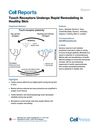
November 2016 in “Cell Reports” Touch sensitivity in mouse skin decreases during hair growth due to changes in touch receptors.
New bio-ink can print complex tissues and organs.
 November 2024 in “International Journal of Cosmetic Science”
 Botanical extracts can improve scalp health by reducing oxidative stress.
 November 2015 in “Hair transplant forum international”
 Early attempts at using cloned cells for hair transplants failed, but 3D cell growth showed some promise.
22 citations
,
March 2021 in “Materials Today Bio” Scaffold-based strategies show promise for regenerating hair follicles and teeth but need more research for clinical use.
Stem cells can improve skin grafts by enhancing blood flow and hair growth.
1 citations
,
June 2022 in “bioRxiv (Cold Spring Harbor Laboratory)” Reprogramming 3D environments can create hair follicles in the lab.
 November 2024 in “Burns & Trauma”
 Skin organoids help improve wound healing and tissue repair.
70 citations
,
April 2020 in “Journal of Molecular Cell Biology” Organoid technology helps create mini-organs for studying diseases and testing drugs.
 33 citations
,
August 2015 in “F1000Research”
33 citations
,
August 2015 in “F1000Research” New model shows muscle affects hair loss differently in men and women.
 March 2005 in “International Journal of Cosmetic Science”
 DVI provides detailed 3D imaging of hair and shows how various products protect and enhance hair.
5 citations
,
April 2024 in “JAAD International” AI can accurately measure hair loss severity in alopecia areata.
 2 citations
,
December 2022 in “Journal of Biochemistry and Molecular Biology”
2 citations
,
December 2022 in “Journal of Biochemistry and Molecular Biology” Organoids created from stem cells are used to model diseases, test drugs, and develop personalized and regenerative medicine.
29 citations
,
April 2003 in “Experimental dermatology” Human hair follicles grown in vitro maintain normal keratin patterns and structure.
 5 citations
,
May 2020 in “Life science alliance”
5 citations
,
May 2020 in “Life science alliance” Removing integrin α3β1 from hair stem cells lowers skin tumor growth by affecting CCN2 protein levels.
37 citations
,
November 2019 in “Journal of Microbiology and Biotechnology” Loliolide can boost hair growth by activating specific cell pathways.
January 2022 in “Yokohama National University Repository (Yokohama National University)” Exosomes from dermal papilla cells may help treat hair loss by promoting hair growth.
25 citations
,
August 2024 in “Virtual and Physical Prototyping” 3D bioprinting could solve organ shortages and improve drug testing.
48 citations
,
December 2022 in “Biomolecules” 3D bioprinting shows promise for creating advanced skin for healing wounds and reducing animal testing.

Regenerative cosmetics can improve skin and hair by reducing wrinkles, healing wounds, and promoting hair growth.
 September 2019 in “Journal of Investigative Dermatology”
 Botanical extracts from peas and chia seeds improved scalp health and protected hair from pollution.
February 2025 in “Chemico-Biological Interactions” 5-Fluorouracil causes hair loss by blocking signals needed for hair growth.
The arrector pili muscle plays a key role in hair loss in androgenetic alopecia.
25 citations
,
February 2024 in “Biomaterials” Stem cell-derived organoids can improve skin healing.
61 citations
,
April 2023 in “Bioactive Materials” Microneedles are effective for painless drug delivery and promoting wound healing and tissue regeneration.
ILC1-like cells can independently cause alopecia areata by affecting hair follicles.
 April 2012 in “KSBB Journal”
 Minoxidil analogs can be improved for hair growth inhibition by modifying specific parts of their structure.
 6 citations
,
October 2018 in “Bioelectromagnetics”
6 citations
,
October 2018 in “Bioelectromagnetics” Rice bran extract and low-frequency electromagnetic fields together may help treat vitiligo and white hair.