 12 citations
,
April 2019 in “Scientific Reports”
12 citations
,
April 2019 in “Scientific Reports” A protein called HMGB1 helps hair grow by affecting prostaglandin metabolism.
 52 citations
,
April 2013 in “Developmental Cell”
52 citations
,
April 2013 in “Developmental Cell” Brg1 is crucial for hair growth and skin repair by maintaining stem cells and promoting regeneration.
 August 2013 in “Nature Reviews Drug Discovery”
 A protein called FGF9 helps regenerate hair follicles in mice after skin damage, and increasing FGF9 could potentially help human hair growth.
April 2010 in “Cancer Research” CDK4 levels affect the number of hair follicle stem cells in mice.
143 citations
,
January 2012 in “Cell and Tissue Research” 128 citations
,
August 2020 in “Cell stem cell” Dermal fibroblasts have adjustable roles in wound healing, with specific cells promoting regeneration or scar formation.
33 citations
,
August 2008 in “American Journal Of Pathology” Hedgehog signaling is essential for normal sebaceous gland development and affects keratin 6a expression.

Lhx2 is a crucial regulator of the Sonic Hedgehog signaling in early mouse retinal development.
 19 citations
,
September 2011 in “Journal of Dermatological Science”
19 citations
,
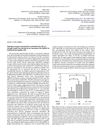
September 2011 in “Journal of Dermatological Science” TGF-β1 increases androgen receptor activity in hair loss, but Hic-5/ARA55 can counter this effect.
 June 2013 in “Faculty Opinions – Post-Publication Peer Review of the Biomedical Literature”
 FGF9 from certain cells can trigger new hair growth during wound healing, but humans have fewer of these cells, which may limit hair regrowth.
January 2000 in “Medical Entomology and Zoology”  January 2026 in “BIO Web of Conferences”
 FGFs have evolved differently across species, affecting skin functions and wound healing.
35 citations
,
October 2013 in “Journal of Dermatological Science” VEGF165 influences hair follicle cell growth and movement through VEGFR-2 activation.
 January 2023 in “Biomedicine & Pharmacotherapy”
 Low oxygen conditions improve how well certain stem cells from embryos can make hair grow longer and faster.
August 2009 in “Mechanisms of Development” 2 citations
,
January 2023 in “PubMed” Targeting FGF5 could help treat prostate cancer.
 1 citations
,
January 2015 in “Journal of clinical and investigative dermatology”
1 citations
,
January 2015 in “Journal of clinical and investigative dermatology” IGF-1 from human placenta helps hair grow.
July 2025 in “Journal of Investigative Dermatology” Laser treatment boosts hair growth by activating a key growth factor.
 194 citations
,
May 2000 in “Journal of Investigative Dermatology”
194 citations
,
May 2000 in “Journal of Investigative Dermatology” The hedgehog signaling pathway is crucial for hair growth but not for the initial creation of hair follicles.
26 citations
,
January 2015 in “PubMed” Collagenase IV helps control hair growth by affecting certain growth factors.
January 2018 in “bioRxiv (Cold Spring Harbor Laboratory)” The mutant HR bmh protein mis-localizes in cells, affecting skin and hair development.
 37 citations
,
April 2017 in “npj Regenerative Medicine”
37 citations
,
April 2017 in “npj Regenerative Medicine” PDGF signaling is crucial for maintaining and renewing hair follicle stem cells, which could help treat hair loss.
The CD4 protein may play a role in the behavior of certain skin cells, affecting their growth, movement, and differentiation.
 January 2017 in “Jikken doubutsu ihou/Jikken doubutsu/Experimental animals/Jikken Dobutsu”
 Mice with a changed Hr gene lose and regrow hair due to changes in the gene's activity.
 34 citations
,
December 2009 in “The International Journal of Developmental Biology”
34 citations
,
December 2009 in “The International Journal of Developmental Biology” Too much thymosin beta4 causes weird teeth and more hair growth in mice.
 15 citations
,
February 2021 in “Scientific Reports”
15 citations
,
February 2021 in “Scientific Reports” RNA aptamers can specifically block FGF5-related cell growth, potentially treating related diseases or hair disorders.
 June 2013 in “Faculty Opinions – Post-Publication Peer Review of the Biomedical Literature”
 A substance called FGF9 from certain immune cells can trigger new hair growth during wound healing in mice, but humans may not have the same response due to fewer of these cells.
409 citations
,
May 1991 in “Genes & Development” TGF-alpha affects skin thickness, hair growth, and may contribute to psoriasis and papilloma formation.
7 citations
,
November 1997 in “Reproduction Fertility and Development” Epidermal growth factor disrupts hair and gland formation in bandicoots.
January 2017 in “PRISM (University of Calgary)” Unique genes in hair follicle cells help tissue regeneration.