 11 citations
,
January 2002 in “Dermatologic Surgery”
11 citations
,
January 2002 in “Dermatologic Surgery” Using minoxidil before and after facelift surgery can effectively prevent temporary hair loss without causing other complications.
 50 citations
,
January 2007 in “PubMed”
50 citations
,
January 2007 in “PubMed” Minoxidil 2% and 5% are common treatments for female pattern hair loss, with other options including anti-androgens, oral contraceptives, and hair transplantation.
 31 citations
,
August 1975 in “Journal of Pharmaceutical Sciences”
31 citations
,
August 1975 in “Journal of Pharmaceutical Sciences” Minoxidil metabolizes similarly in monkeys and humans, but differently in dogs and rats.
5 citations
,
April 2022 in “Pharmaceutics” Minoxidil nanoparticles significantly boost hair growth in mice compared to regular minoxidil.
 67 citations
,
March 1987 in “Journal of The American Academy of Dermatology”
67 citations
,
March 1987 in “Journal of The American Academy of Dermatology” Minoxidil helps hair growth and prevents hair loss in androgenetic alopecia. It's safe and effective.
 53 citations
,
March 1987 in “Journal of The American Academy of Dermatology”
53 citations
,
March 1987 in “Journal of The American Academy of Dermatology” Minoxidil effectively regrows hair in male pattern baldness.
 27 citations
,
September 2018 in “Medicines”
27 citations
,
September 2018 in “Medicines” Oleic acid nanovesicles improve minoxidil absorption in hair follicles for alopecia treatment.
Pimpinella anisum L. extract significantly boosts hair growth in mice.
 January 2025 in “International Journal of Trichology”
 Topical spironolactone and minoxidil both effectively treat female hair loss, but spironolactone has fewer side effects.
 370 citations
,
September 1999 in “The New England Journal of Medicine”
370 citations
,
September 1999 in “The New England Journal of Medicine” Finasteride and minoxidil are effective for hair loss, but continued research is needed for better treatments.

Topical minoxidil was effective in promoting hair growth for male pattern baldness.
 January 2011 in “Der Pharmacia Lettre”
 Pig oil was found to significantly promote hair growth in rats, more effectively than Minoxidil.
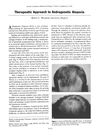 November 1999 in “Journal of Cutaneous Medicine and Surgery”
 Treatments for hair loss include hormone modifiers, minoxidil, and hair transplant surgery.
 December 2024 in “Journal of Clinical Medicine”
 Minoxidil shows promise for alopecia areata, but more research is needed before it can be recommended as a primary treatment.
 69 citations
,
February 2002 in “International Journal of Cosmetic Science”
69 citations
,
February 2002 in “International Journal of Cosmetic Science” Some hair loss can be treated, especially in women due to nutrition, but some types remain untreatable.
 14 citations
,
July 1987 in “Dermatologic Clinics”
14 citations
,
July 1987 in “Dermatologic Clinics” The document concludes that treating female hair loss should target reducing excess androgen and blocking its effects on hair follicles, with the best treatments being hormonal therapy, adrenal suppression, and topical minoxidil.
 3 citations
,
May 2013 in “Journal of the American Association of Nurse Practitioners”
3 citations
,
May 2013 in “Journal of the American Association of Nurse Practitioners” Use minoxidil or finasteride first, then try HairMax LaserComb if needed.
 2 citations
,
December 2017 in “Bangladesh Journal of Pharmacology”
2 citations
,
December 2017 in “Bangladesh Journal of Pharmacology” Black seed oil significantly protects against hair loss from chemotherapy.
 December 2023 in “Azerbaijan Pharmaceutical and Pharmacotherapy J”
 The minoxidil gel could be a better treatment for hair loss than traditional forms.
 January 2002 in “Dermatologic Surgery”
 Minoxidil is effective in preventing hair loss after facelift surgery.
 15 citations
,
October 2003 in “Dermatologic Surgery”
15 citations
,
October 2003 in “Dermatologic Surgery” Minoxidil, finasteride, and hair transplantation combined give best results for hair loss.
 November 2003 in “Dermatologic Surgery”
 Minoxidil, finasteride, and hair transplantation combined give best results for hair loss.
 1 citations
,
July 2017 in “Global journal of pharmacy & pharmaceutical sciences”
1 citations
,
July 2017 in “Global journal of pharmacy & pharmaceutical sciences” A new hair loss treatment was created using minoxidil and tretinoin in stable niosomes, which effectively released the drugs over time.
 421 citations
,
April 2012 in “The New England Journal of Medicine”
421 citations
,
April 2012 in “The New England Journal of Medicine” Alopecia Areata is an autoimmune condition causing hair loss with no cure and treatments that often don't work well.
 49 citations
,
February 2019 in “The Journal of Clinical Endocrinology and Metabolism”
49 citations
,
February 2019 in “The Journal of Clinical Endocrinology and Metabolism” Use "female pattern hair loss" term, assess androgen excess, treat with minoxidil and other medications if needed.
 14 citations
,
January 1985 in “International Journal of Dermatology”
14 citations
,
January 1985 in “International Journal of Dermatology” The cause of alopecia areata was unknown, and while various treatments existed, no best treatment was agreed upon.
 9 citations
,
August 2018 in “Journal der Deutschen Dermatologischen Gesellschaft”
9 citations
,
August 2018 in “Journal der Deutschen Dermatologischen Gesellschaft” Most patients with frontal fibrosing alopecia are middle-aged women, often have thyroid disease, and some treatments can help stabilize the condition.
 8 citations
,
January 2003 in “Plastic and Reconstructive Surgery”
8 citations
,
January 2003 in “Plastic and Reconstructive Surgery” Hair transplants using follicular unit grafting can significantly improve appearance for men with advanced hair loss.
 3 citations
,
September 1989 in “Journal of Investigative Dermatology”
3 citations
,
September 1989 in “Journal of Investigative Dermatology” Methyl caprate greatly increases drug absorption through the skin and is better than other enhancers.
 48 citations
,
May 1999 in “International Journal of Dermatology”
48 citations
,
May 1999 in “International Journal of Dermatology” Alopecia areata is an unpredictable autoimmune hair loss condition, treated based on severity, with half of patients regrowing hair within a year without treatment.