 1 citations
,
May 2022 in “Frontiers in Pharmacology”
1 citations
,
May 2022 in “Frontiers in Pharmacology” Astilbin can potentially calm overactive immune responses, like in Type 1 Diabetes, by suppressing certain cell activities and reducing inflammation.
 4 citations
,
January 2017 in “Biological & pharmaceutical bulletin”
4 citations
,
January 2017 in “Biological & pharmaceutical bulletin” Inhibiting ALOX12 can help hair cuticle maturation by increasing S100A3 citrullination.
17 citations
,
October 1994 in “The Journal of Clinical Endocrinology and Metabolism” April 2011 in “Journal of Medicinal Plants Research” Ocimum basilicum L. and red Oryza sativa L. may help with hair loss and prostate issues.
42 citations
,
May 2007 in “Endocrinology and metabolism/American journal of physiology: endocrinology and metabolism” Testosterone can build muscle and bone without enlarging the prostate when a specific enzyme is blocked.
 April 2017 in “Actas urológicas españolas”
 5-alpha reductase inhibitors increase the risk of sexual dysfunction in patients treating enlarged prostate but not in those treating hair loss.
July 2014 in “Urologia Journal” 5ARI treatment improves PSA test accuracy for prostate cancer diagnosis.
 1 citations
,
August 2015 in “Current Sexual Health Reports”
1 citations
,
August 2015 in “Current Sexual Health Reports” 5α-reductase inhibitors can cause serious and possibly lasting sexual and psychological side effects.
 22 citations
,
February 2002 in “Planta Medica”
22 citations
,
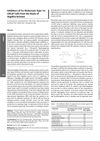
February 2002 in “Planta Medica” Compounds from Angelica koreana roots, especially osthenol, could be effective for treating conditions like prostate disease and hair loss.
1 citations
,
September 2001 in “PubMed” ONO-3403 effectively reduces mouse skin tumor growth without side effects.
 January 2023 in “Journal for ReAttach Therapy and Developmental Diversities”
 Carthamus oxyacantha may help treat BPH by inhibiting 5α-reductase.

Teak leaf extract can help treat hair loss, and its effectiveness varies by geographic origin.
Combining dutasteride or finasteride with an α1 blocker is more effective for managing BPH than using either alone.
 March 2024 in “Journal of the American Academy of Dermatology”
 Taking medication for hair loss might cause sexual problems.
January 2011 in “Medical Recapitulate” 5α-reductase enzyme affects hormone levels, influencing conditions like acne and hair loss.
January 2006 in “Zhongguo yaofang” The market for these drugs is expected to grow.
10 citations
,
March 2023 in “Journal of Chemistry” New compounds show promise for treating benign prostate hyperplasia with fewer side effects.
January 2010 in “Research and Practice on Chinese Medicines” Coffee extract and caffeotannic acid can help treat hair loss.
 3 citations
,
October 2010 in “Wiley-VCH Verlag GmbH & Co. KGaA eBooks”
3 citations
,
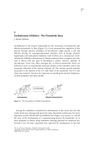
October 2010 in “Wiley-VCH Verlag GmbH & Co. KGaA eBooks” Finasteride safely treats enlarged prostate and male-pattern baldness.
 December 2023 in “Research Square (Research Square)”
 12-Methoxy carnosic acid from rosemary might be a good natural treatment for hair loss.
 April 2024 in “The Journal of urology/The journal of urology”
 SRD5A2 methylation in blood can predict how well someone will respond to finasteride treatment.
1 citations
,
August 2017 in “The Journal of urology/The journal of urology” 5α-reductase inhibitors may increase the risk of depression and suicidal thoughts.
 November 2021 in “Pharmaceutical Sciences”
 New compounds were made and tested, with compound 6 showing potential for treating prostate-related diseases.
219 citations
,
October 2009 in “Steroids” 5α-reductase inhibitors, like Finasteride and Dutasteride, help manage benign prostatic hyperplasia.
47 citations
,
January 2016 in “Brain Behavior and Immunity” 5α-reduced progestogens may reduce mood issues and brain damage linked to HIV-1 Tat.
 6 citations
,
July 2026 in “Zenodo (CERN European Organization for Nuclear Research)”
6 citations
,
July 2026 in “Zenodo (CERN European Organization for Nuclear Research)” Finasteride and dutasteride have limited use in feminising therapy and are not recommended for routine use.
 May 2026 in “Frontiers in Pharmacology”
 Long-term use of 5α-reductase inhibitors may improve survival in men with kidney cancer.
January 2002 in “映像情報メディア学会技術報告” Some prostate cancers have gene changes that may affect treatment with certain drugs.
2 citations
,
March 2012 in “Current opinion in urology” 5-alpha-reductase inhibitors might help slow down low-risk prostate cancer, but their use should be cautious.