 2 citations
,
May 2010 in “Hair transplant forum international”
2 citations
,
May 2010 in “Hair transplant forum international” Different hair restoration techniques like follicular unit extraction, scalp reduction, and body hair transplantation can improve results for patients unhappy with their initial surgery, but they also have potential risks.
 41 citations
,
January 2020 in “BioMed Research International”
41 citations
,
January 2020 in “BioMed Research International” Micrografts improve hair density and thickness without side effects.
 June 2002 in “Seminars in Cutaneous Medicine and Surgery”
 Hair transplantation has improved to more natural-looking results and is complemented by effective non-surgical treatments, with ongoing research into hair follicle cloning.

Dense-packing hair grafting is a simple, safe, and effective way to restore hair in people with cicatricial alopecia.
 72 citations
,
September 1997 in “Dermatologic Surgery”
72 citations
,
September 1997 in “Dermatologic Surgery” Careful planning and patient counseling can lead to excellent hair transplant results, often in one or two sessions.
 3 citations
,
March 2019 in “Archives of Plastic Surgery”
3 citations
,
March 2019 in “Archives of Plastic Surgery” Hair transplantation effectively corrects hairline issues after midface-lifting surgery with high patient and physician satisfaction.
 2 citations
,
January 2001 in “Dermatologic Surgery”
2 citations
,
January 2001 in “Dermatologic Surgery” Poliglecaprone 25 is better than steel staples for hair transplant surgery, causing less discomfort and finer scars.
63 citations
,
October 2012 in “Wound Repair and Regeneration” Hair follicle grafting can help heal chronic leg ulcers.

Plucked hair follicles grow faster than conventional ones, making them a potentially better option for hair transplants.
 9 citations
,
December 1984 in “The Journal of Dermatologic Surgery and Oncology”
9 citations
,
December 1984 in “The Journal of Dermatologic Surgery and Oncology” Layered suture closure for hair transplant donor sites results in smaller scars and easier future harvesting but takes more time and may temporarily increase hair shedding.
 37 citations
,
August 2013 in “Facial Plastic Surgery Clinics of North America”
37 citations
,
August 2013 in “Facial Plastic Surgery Clinics of North America” Facial hair restoration is generally successful and satisfying for patients when done with quality techniques and realistic expectations.
 June 1994 in “The American Journal of Cosmetic Surgery”
 The article emphasizes the need for proper training and ethical practice in hair transplantation to prevent poor outcomes and psychological harm to patients.
January 2024 in “Pakistan Journal of Medical & Health Sciences” Innovative techniques improve hair transplant results and satisfaction in patients with low donor hair density.
 8 citations
,
March 2017 in “Journal of Cosmetic and Laser Therapy”
8 citations
,
March 2017 in “Journal of Cosmetic and Laser Therapy” Punch grafting treats vitiligo faster but can cause a cobblestone look, while follicular hair transplantation is slower but looks better and has no side effects.
 13 citations
,
September 2018 in “Hair transplant forum international”
13 citations
,
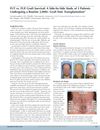
September 2018 in “Hair transplant forum international” FUE and FUT hair transplants have similar success rates, with FUE slightly better.
29 citations
,
September 2019 in “Stem Cells International” The PRF/micrograft spray-on skin method effectively healed massive and chronic burns quickly.
 October 2023 in “Facial Plastic Surgery”
 The FUE-LE technique combines two hair transplant methods to improve graft yield without needing a large team or extra costs.
A new method using stamps improves symmetry in hair restoration surgery.

Dr. Min's method for eyebrow and eyelash transplantation is effective, with most hairs regrowing, and proper recovery is crucial for success.
 January 2014 in “Journal of Cutaneous and Aesthetic Surgery”
 The document suggests that for better patient satisfaction in hair transplants, high-quality photos are needed, and using a narrow donor strip might lead to fewer grafts and dissatisfaction, but filling the scar with FUE grafts and using tranexamic acid can improve results.
3 citations
,
July 2010 in “Dermatologic surgery” The technique effectively makes Asian eyelashes look fuller and more natural.
1 citations
,
June 2018 in “Open Access Macedonian Journal of Medical Sciences” Recycling hair from past transplants can improve hair density and patient satisfaction.
3 citations
,
March 2023 in “Cell Biology International” Stem cell-enriched fat grafts improve facial hyperpigmentation better than conventional grafts.
 8 citations
,
March 1994 in “The American Journal of Cosmetic Surgery”
8 citations
,
March 1994 in “The American Journal of Cosmetic Surgery” The Total Excision Techniques improve hair transplant results by increasing grafts by at least 50% and reducing scarring.
 July 2024 in “Journal of Investigative Dermatology”
 A single medium, PRIME AIRLIFT, supports better human hair follicle formation in grafts.
 May 2026 in “International Journal of Drug Delivery Technology”
 Using a 45-degree angle for hair transplants improves efficiency and results.
 11 citations
,
June 2008 in “Dermatologic Surgery”
11 citations
,
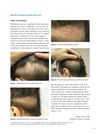
June 2008 in “Dermatologic Surgery” Transplanting chest hair into scalp scars may effectively treat wide donor scars in hair restoration.
 January 2022 in “Springer eBooks”
 Using micrografts with stem cells and platelet-rich plasma can safely and effectively help regrow hair.
 11 citations
,
July 2008 in “Facial Plastic Surgery Clinics of North America”
11 citations
,
July 2008 in “Facial Plastic Surgery Clinics of North America” Hair restoration surgery redistributes existing hair to achieve a natural look, with visible regrowth in 3-4 months and rare complications, mostly aesthetic.
 6 citations
,
April 2000 in “Plastic and Reconstructive Surgery”
6 citations
,
April 2000 in “Plastic and Reconstructive Surgery” The document suggests fixing bad hair transplants by removing large hair plugs and replacing them with smaller ones, considering the natural progression of hair loss, and emphasizing the need for ethical judgment in hair transplantation.