 May 2017 in “Journal of The American Academy of Dermatology”
 Finasteride 1 mg/day effectively treats hair loss in men aged 18-41 and over 41; DEET lotion works better than herbal insect repellents; combined tattoo removal technique shows no extra benefits.
3 citations
,
May 2020 in “Journal of The Korean Medical Association” Minoxidil and finasteride are effective for treating hair loss, with dutasteride showing potential but with side effects.
 5 citations
,
January 1995 in “Journal of Investigative Dermatology”
5 citations
,
January 1995 in “Journal of Investigative Dermatology” A trial found that using finasteride, a hair growth drug, can be effectively measured by comparing before and after photos.
186 citations
,
December 2011 in “Molecules” Three specific 4-azasteroid-2-oximes showed strong enzyme inhibition, but less than finasteride.
27 citations
,
January 2001 in “Hormone Research in Paediatrics” Low-dose flutamide effectively maintains reduced hirsutism with no side effects.
 22 citations
,
August 2014 in “Clinical endocrinology”
22 citations
,
August 2014 in “Clinical endocrinology” Taking finasteride for benign prostate hyperplasia may increase the risk of osteoporosis, especially at higher doses.
 December 2023 in “International Journal of Advanced Research in Science, Communication and Technology”
 A reliable method was created to measure Minoxidil and Finasteride in a solution.
14 citations
,
September 1990 in “Journal of the American Academy of Dermatology” Viprostol does not effectively promote hair growth in male pattern baldness.
 2 citations
,
January 2016 in “Andrology”
2 citations
,
January 2016 in “Andrology”  13 citations
,
October 2002 in “Journal of Biochemical and Biophysical Methods”
13 citations
,
October 2002 in “Journal of Biochemical and Biophysical Methods” Men with male-pattern baldness have higher levels of certain testosterone metabolites and may have more active androgen metabolism.
December 2021 in “Faculty Opinions – Post-Publication Peer Review of the Biomedical Literature” Topical finasteride is promising for hair loss with minimal side effects but needs more research and approval.
January 2013 in “Zhonghua linchuang yishi zazhi” Taking finasteride for over a month before surgery reduces blood loss during TURP.
 1 citations
,
July 2021 in “Clinical and Experimental Dermatology”
1 citations
,
July 2021 in “Clinical and Experimental Dermatology” Finasteride helps reduce hidradenitis suppurativa symptoms in females.
January 2021 in “Faculty of 1000 Research Ltd” Phytochemicals may offer safer alternatives to synthetic drugs for prostate cancer treatment.
Thai plant extracts, especially Avicennia marina, can promote hair growth by inhibiting certain enzymes and boosting growth factors.
 May 2015 in “Journal of The American Academy of Dermatology”
 Finasteride for hair loss in young men increases the risk of sexual dysfunction.
January 2021 in “International Journal of Research in Dermatology” Combination therapies are more effective for treating androgenetic alopecia than single treatments.
The combined treatment of Finasteride and Doxazosin affects prostate tissue by reducing cell growth and altering hormone levels.
October 2009 in “Nature Reviews Urology” 2-Hydroxy-1,4-naphthoquinone is a strong 5α-reductase inhibitor.
April 2011 in “ChemInform” A new compound may effectively inhibit the enzyme linked to BPH and hair loss.
January 2018 in “International Journal of Medical Research and Health Sciences” Finasteride reduces blood loss and the need for blood transfusions during and after TURP surgery.
 November 2017 in “Reactions Weekly”
 Testosterone undecanoate caused hair loss; finasteride improved it but caused stomach issues for one patient.
 125 citations
,
January 1999 in “Drugs”
125 citations
,
January 1999 in “Drugs” Finasteride effectively treats baldness but may cause sexual side effects.
 18 citations
,
October 2010 in “Bioorganic & Medicinal Chemistry Letters”
18 citations
,
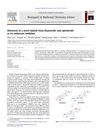
October 2010 in “Bioorganic & Medicinal Chemistry Letters” New hybrid compound found to effectively prevent hair loss.

Finasteride-loaded microemulsions, made with cinnamon oil, Tween20, propylene glycol, and water, can help maintain stemness of dermal cells, potentially aiding in hair regeneration.
 7 citations
,
May 2015 in “Journal of The American Academy of Dermatology”
7 citations
,
May 2015 in “Journal of The American Academy of Dermatology” Finasteride helps treat frontal fibrosing alopecia, improving or stabilizing the condition in many patients.
 May 2024 in “Journal of cosmetic dermatology”
 Topical finasteride/minoxidil is effective but not better than oral finasteride for hair loss.