21 citations
,
July 2018 in “International Journal of Molecular Sciences” Foxn1 is crucial for skin development and healing, and altering its expression may aid regenerative medicine.
138 citations
,
June 2023 in “Molecules” Skin pigmentation varies due to genetics, UV exposure, and drugs, with treatments available but requiring medical advice.
26 citations
,
February 2022 in “Annals of Palliative Medicine” Ultra-pulse CO2 fractional laser improves acne scars with minimal side effects and faster healing.
 4 citations
,
January 1987 in “Annual reports in medicinal chemistry”
4 citations
,
January 1987 in “Annual reports in medicinal chemistry” New treatments for skin diseases are more effective and patient-friendly, but many still lack a cure.
1 citations
,
January 2021 in “Journal of dermatology & dermatologic surgery” Oral isotretinoin does not cause milia in acne patients.
April 2024 in “International journal of molecular sciences” Combination pharmacotherapy is generally more effective for treating keloids and hypertrophic scars.
1 citations
,
November 2011 in “British journal of pharmacology” Enzymes are classified into six types and are essential for many biological processes, with only a few targeted by drugs.
112 citations
,
September 2021 in “BMC Biology” Key genes and factors crucial for hair follicle development and wool traits in Merino sheep were identified.
 11 citations
,
October 2018 in “Nucleic Acid Therapeutics”
11 citations
,
October 2018 in “Nucleic Acid Therapeutics” Modified KGF mRNA helps skin cells grow and move faster, which may improve wound healing.
 January 2017 in “Clinical approaches and procedures in cosmetic dermatology”
 Retinoids are effective for skin conditions like severe acne and psoriasis but must be used with caution due to potential side effects and risks during pregnancy.
 22 citations
,
October 2020 in “Anais Brasileiros de Dermatologia”
22 citations
,
October 2020 in “Anais Brasileiros de Dermatologia” The Brazilian Society of Dermatology agrees that oral isotretinoin is effective for acne and other skin conditions, and it's safe when monitored, but more research is needed on dosing and duration.
 47 citations
,
September 2016 in “Reviews in endocrine and metabolic disorders”
47 citations
,
September 2016 in “Reviews in endocrine and metabolic disorders” The skin's ability to produce hormones is linked to various skin conditions, and better understanding this process could lead to new treatments.
 66 citations
,
January 2017 in “Acta dermato-venereologica”
66 citations
,
January 2017 in “Acta dermato-venereologica” Isotretinoin's effects and side effects, like birth defects and depression, might be due to it causing cell death in various cells.
 175 citations
,
April 1982 in “Journal of The American Academy of Dermatology”
175 citations
,
April 1982 in “Journal of The American Academy of Dermatology” Isotretinoin is highly effective in treating severe acne, rosacea, and gram-negative folliculitis.
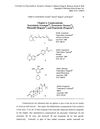
Isotretinoin and tazarotene help treat acne, while minoxidil and finasteride promote hair growth.
 16 citations
,
August 2004 in “Tetrahedron”
16 citations
,
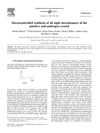
August 2004 in “Tetrahedron” Scientists made all eight versions of a compound called cyoctol, but found it's not an anti-androgen and it fully breaks down in the skin.
 January 2021 in “Medical Research Archives”
 Genetically modified rats help reveal how vitamin D affects bone and skin health.
 50 citations
,
December 1999 in “British Journal of Dermatology”
50 citations
,
December 1999 in “British Journal of Dermatology” Finasteride improves hidradenitis suppurativa but not for child-bearing women.
 45 citations
,
January 1998 in “Dermatology”
45 citations
,
January 1998 in “Dermatology” Some skin conditions look like acne but are caused by drugs, and they usually get better when the drug is stopped.
 38 citations
,
November 2012 in “Expert Opinion on Drug Safety”
38 citations
,
November 2012 in “Expert Opinion on Drug Safety” Common acne treatments can cause various side effects, like skin irritation and more serious issues, but combination therapies are often more effective and better tolerated.
 13 citations
,
March 2014 in “Cutaneous and Ocular Toxicology”
13 citations
,
March 2014 in “Cutaneous and Ocular Toxicology” Oral isotretinoin for severe acne can change hormone levels but does not significantly affect ovarian function.
 104 citations
,
May 2003 in “Endocrinology”
104 citations
,
May 2003 in “Endocrinology” Lampreys have a functional vitamin D receptor that may help detoxify harmful substances.
 32 citations
,
July 2012 in “Stem Cells Translational Medicine”
32 citations
,
July 2012 in “Stem Cells Translational Medicine” Vitamin D3 can help improve hair growth by enhancing the function of specific skin cells and could be useful in hair regeneration treatments.
 2 citations
,
May 2023 in “bioRxiv (Cold Spring Harbor Laboratory)”
2 citations
,
May 2023 in “bioRxiv (Cold Spring Harbor Laboratory)” Stem cells help remove dead cells to keep tissues healthy by balancing cell replacement and clearance.
 121 citations
,
June 2010 in “Australasian Journal of Dermatology”
121 citations
,
June 2010 in “Australasian Journal of Dermatology” Most people on isotretinoin had chapped lips, but only a few stopped the medicine due to side effects.
 19 citations
,
November 2012 in “Journal of Dermatological Treatment”
19 citations
,
November 2012 in “Journal of Dermatological Treatment” Isotretinoin improves severe acne without changing androgen or insulin levels but may increase body weight and triglycerides.
 1 citations
,
March 2011 in “Informa Healthcare eBooks”
1 citations
,
March 2011 in “Informa Healthcare eBooks” Isotretinoin is a preferred treatment for severe acne, often leading to long-term improvement, but requires careful monitoring due to potential side effects.
 August 1986 in “Journal of The American Academy of Dermatology”
 Minoxidil showed a 30% success rate for hair growth in a study, and various skin treatments were effective, but some had limitations or side effects.
 147 citations
,
January 2003 in “American journal of clinical dermatology”
147 citations
,
January 2003 in “American journal of clinical dermatology” The document concludes that accurate diagnosis of ichthyosis is crucial for treatment and genetic advice, and ongoing research is needed for better therapies.