8 citations
,
December 2013 in “The journal of investigative dermatology. Symposium proceedings/The Journal of investigative dermatology symposium proceedings” Mouse models help understand alopecia areata and find treatments.
34 citations
,
March 2009 in “Journal of Investigative Dermatology” Proteomic analysis can identify genetic differences in mouse hair, helping understand hair defects and variations.
 23 citations
,
June 2010 in “Journal of Investigative Dermatology”
23 citations
,
June 2010 in “Journal of Investigative Dermatology” A mutation in the Soat1 gene causes hair structure defects and other health issues in AKR/J mice.
 6 citations
,
October 2018 in “PLoS ONE”
6 citations
,
October 2018 in “PLoS ONE” Stress can slow hair growth and affect skin color by impacting the body's stress response system.
10 citations
,
July 1984 in “British Journal of Dermatology” Epidermal cysts come from the skin, while pilar cysts come from hair follicles.
 11 citations
,
November 2009 in “Brazilian Journal of Medical and Biological Research”
11 citations
,
November 2009 in “Brazilian Journal of Medical and Biological Research” Young C57BL/6 mice heal better than BALB/c mice, and older mice heal faster but regenerate worse.
15 citations
,
February 2011 in “Experimental Dermatology” Betamethasone dipropionate reduced skin thickness, fish oil increased it, and combined treatment had no significant effect.
9 citations
,
August 1980 in “Journal of Cutaneous Pathology” Rhodamin B stain is inconsistent for keratin in skin samples.
5 citations
,
July 1999 in “Journal of Anatomy” Methylene blue staining effectively reveals detailed nerve structures in rat snouts.
 January 2023 in “Frontiers in bioscience”
 Artemis protein may help control hair growth and health by influencing cell processes.
29 citations
,
April 2011 in “Journal of Microscopy” The modified osmium method improves hair cortex staining for better visualization.
 13 citations
,
February 2007 in “British Journal of Dermatology”
13 citations
,
February 2007 in “British Journal of Dermatology” EF and PXE not closely related.
 October 2013 in “Journal of the American College of Cardiology”
 People with non-dipper hypertension have higher aldosterone levels, more strain on their heart's venous system, and increased risk of endothelial dysfunction.
 7 citations
,
November 2004 in “International Journal of Cosmetic Science”
7 citations
,
November 2004 in “International Journal of Cosmetic Science” Hair breaks differently when wet or dry and is affected by its condition and treatments like perms and bleaching.
 80 citations
,
March 2000 in “Journal of cutaneous pathology”
80 citations
,
March 2000 in “Journal of cutaneous pathology” The VVG stain effectively differentiates scar tissue from normal skin and helps classify types of permanent alopecia.
 30 citations
,
February 1994 in “Journal of Cutaneous Pathology”
30 citations
,
February 1994 in “Journal of Cutaneous Pathology” A woman's hair loss was initially mistaken for a common hair loss condition but was later found to be caused by breast cancer cells in her scalp.
114 citations
,
January 2007 in “International Journal of Dermatology” Caffeine can stimulate hair growth and counteract testosterone's suppressive effects on hair follicles.
 42 citations
,
December 1990 in “The Journal of Dermatologic Surgery and Oncology”
42 citations
,
December 1990 in “The Journal of Dermatologic Surgery and Oncology” The study found that horizontal sections of scalp biopsies are better for analyzing hair loss, showing fewer hairs and more fine hairs in balding areas.
 2 citations
,
June 1980 in “International Journal of Dermatology”
2 citations
,
June 1980 in “International Journal of Dermatology” Scalp biopsies are important for diagnosing hair loss conditions.
226 citations
,
February 1999 in “British Journal of Dermatology” Folliculitis decalvans and tufted folliculitis are related, and a new treatment with rifampicin and clindamycin is effective.
 191 citations
,
November 1959 in “Annals of the New York Academy of Sciences”
191 citations
,
November 1959 in “Annals of the New York Academy of Sciences” Hair and wool have complex microscopic structures with microfibrils and varying cystine content.
14 citations
,
August 2004 in “Veterinary Dermatology” The horse had a rare type of hair loss caused by immune cells attacking hair follicles.
 7 citations
,
May 2010 in “JEADV. Journal of the European Academy of Dermatology and Venereology/Journal of the European Academy of Dermatology and Venereology”
7 citations
,
May 2010 in “JEADV. Journal of the European Academy of Dermatology and Venereology/Journal of the European Academy of Dermatology and Venereology” White hair follicles in vitiligo have fewer and less functional melanocytes.
 3 citations
,
March 2012 in “Actas Dermo-Sifiliográficas”
3 citations
,
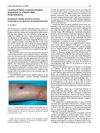
March 2012 in “Actas Dermo-Sifiliográficas” An elderly man with skin amyloidosis and abnormal blood proteins was monitored without finding widespread disease after 18 months.
 22 citations
,
June 1980 in “International Journal of Dermatology”
22 citations
,
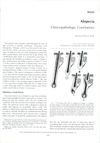
June 1980 in “International Journal of Dermatology” The document concludes that correct diagnosis of alopecia types is crucial, scalp biopsies are important, and more research is needed.
8 citations
,
April 2016 in “Experimental dermatology” B6.Cg-Tyr c−2J Hr hr /J mice have a stronger delayed sunburn reaction and are good for UV research.
 November 2025 in “Frontiers of Agricultural Science and Engineering”
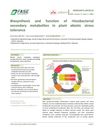
 Rhizobacterial strain RT3 helps lettuce survive drought by producing protective substances like proline.
89 citations
,
March 1996 in “Proceedings of the National Academy of Sciences” CD18-deficient mice developed psoriasis-like skin disease, useful for studying inflammatory skin disorders.
12 citations
,
January 1987 in “Carcinogenesis” TCDD changes skin cell growth and keratin production in mice.
 84 citations
,
July 2003 in “European journal of biochemistry”
84 citations
,
July 2003 in “European journal of biochemistry” Mouse skin can produce and process serotonin, with variations depending on hair cycle, body location, and mouse strain.