January 2006 in “中华医学杂志:英文版” Cultured skin cells can trigger hair growth and the amount of certain proteins they produce affects their ability to regenerate hair follicles.
107 citations
,
May 1999 in “Archives of Dermatological Research” Basal cell carcinoma may start from parts of tiny hair follicles.
2 citations
,
March 1994 in “Oncology Reports” Keratoacanthomas and squamous cell carcinomas have similar keratin patterns, making them hard to tell apart.
 40 citations
,
June 2013 in “Biomaterials”
40 citations
,
June 2013 in “Biomaterials” Scientists created 3D hair-like structures that could help study hair growth and test treatments.
8 citations
,
May 2005 in “The American journal of dermatopathology/American journal of dermatopathology” The hair defect is due to abnormal inner root sheath keratinization.
4 citations
,
March 2007 in “British Journal of Dermatology” Gefitinib therapy can cause unusual hair growth on the nose.
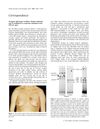 12 citations
,
May 2001 in “British journal of dermatology/British journal of dermatology, Supplement”
12 citations
,
May 2001 in “British journal of dermatology/British journal of dermatology, Supplement” A rare benign skin tumor showed unusual features of sebaceous and sweat glands, important for correct diagnosis.
 7 citations
,
March 2020 in “PloS one”
7 citations
,
March 2020 in “PloS one” α-parvin is necessary for skin and hair growth and for the correct orientation of skin cells.
8 citations
,
April 2014 in “Clinical and Experimental Dermatology” Eruptive vellus hair cysts likely originate from the infrainfundibulum and sebaceous duct.
106 citations
,
April 1986 in “British Journal of Dermatology” Dermal papilla cells from human hair follicles form unique structures and don't live as long as other skin cells in lab conditions.
 June 2022 in “IP Indian journal of clinical and experimental dermatology”
 Benign skin adnexal tumors are more common than malignant ones, with trichoepithelioma and chondroid syringoma being the most frequent types.
7 citations
,
May 2021 in “EBioMedicine” Increased methylation of the Filip1l gene may contribute to aggressive skin cancer.
Higher PD-1 levels mean fewer CD8+ T cells in alopecia areata hair follicles.
 62 citations
,
April 2009 in “British Journal of Dermatology”
62 citations
,
April 2009 in “British Journal of Dermatology” Epidermal stem cells could lead to new treatments for skin and hair disorders.
 1 citations
,
November 2024 in “Cureus”
1 citations
,
November 2024 in “Cureus” Recognizing RSCC is crucial due to its aggressive nature and high risk of poor outcomes.
238 citations
,
October 1994 in “Current opinion in genetics & development” The document concludes that recent research has improved understanding of skin diseases and the balance between cell growth and differentiation in the epidermis.
April 2023 in “Journal of Investigative Dermatology” EGFR helps protect hair follicles from bacterial infections.
87 citations
,
November 2002 in “Journal of Investigative Dermatology” 2 citations
,
November 1992 in “Journal of dermatology” Hair cells grown in a lab showed specific hair proteins.
5 citations
,
August 2021 in “Experimental dermatology” Overexpressing Merkel cell virus proteins in human hair follicles can create clusters of cells that resemble Merkel cell cancer.
July 2019 in “Cancer Research” Bone marrow and hair follicle cells help form skin tumors, suggesting new treatment targets.
21 citations
,
December 1994 in “Journal of Investigative Dermatology” 36 citations
,
September 1996 in “PubMed” DP and DS cells are different from DF cells in structure and function.
 1 citations
,
July 2009 in “Journal of dermatology”
1 citations
,
July 2009 in “Journal of dermatology” A 29-year-old man had a jaw plaque diagnosed as follicular mucinosis, linked to nestin-positive hair follicle stem cells.
14 citations
,
September 2006 in “Experimental Dermatology” Interleukin‐1 α reduces androgen receptor levels and increases certain cytokines in human scalp cells.
56 citations
,
October 2010 in “Pediatric Clinics of North America” Epidermal nevi are skin cell clusters linked to various syndromes.
1 citations
,
January 2009 in “Journal of Dermatology and Venereology” Cells from the upper hair follicle grow more actively, suggesting stem cells may be located there.
 February 2014 in “Plastic and Reconstructive Surgery”
 The document doesn't provide a clear conclusion or detailed findings about the impact of certain cells on cancer treatment.
 September 2017 in “Journal of Investigative Dermatology”
 Hair follicle cells change their DNA packaging during growth cycles and when grown in the lab.
14 citations
,
May 2022 in “Stem cell reports” The study created hair-bearing skin models that lack a key protein for skin layer attachment, limiting their use for certain skin disease research.