15 citations
,
May 1987 in “Fundamental and applied toxicology” SMR-2 and SMR-6 are much more toxic than retinoic acid, causing severe side effects.
1 citations
,
April 2017 in “Journal of Investigative Dermatology” Abatacept may help some people with alopecia areata regrow hair.
 25 citations
,
August 2007 in “Molecular Therapy”
25 citations
,
August 2007 in “Molecular Therapy” Researchers found a safe and effective way to pick genetically modified skin cells with high growth potential using CD24.
CD28 is a promising target for treating alopecia areata with belatacept.
CD28 is a promising target for treating alopecia areata with belatacept.
October 2025 in “Science Advances” IFN-γ production by CD4 T cells is crucial for causing alopecia areata.
The balance between cell renewal and differentiation controls the growth of cancerous cells in mouse skin.
 2 citations
,
June 2016 in “Journal of Korean Medicine”
2 citations
,
June 2016 in “Journal of Korean Medicine” Low doses of Asiasari radix extract boost stem cell growth without changing their shape.
 September 2018 in “Journal of Investigative Dermatology”
 Non-white organ transplant patients have worse skin cancer outcomes due to later diagnosis and treatment.
January 2023 in “Figshare” Quality of life, overall survival, and progression-free survival should be equally prioritized in advanced breast cancer treatment decisions.
20 citations
,
February 2004 in “Clinical & Experimental Immunology” SADBE treatment led to complete hair regrowth in mice with alopecia areata by altering immune cell movement.
18 citations
,
May 2022 in “Stem Cell Research & Therapy” Green OLED light improves stem cell effectiveness for better wound healing.
 6 citations
,
September 2009 in “European journal of histochemistry”
6 citations
,
September 2009 in “European journal of histochemistry” CD90 is present on specific cells in dog hair follicles.
23 citations
,
January 2017 in “BMC Medical Genetics” A new CDH3 gene mutation was found in a Spanish patient with sparse hair and eye issues.
2 citations
,
September 2014 in “Nature reviews. Drug discover/Nature reviews. Drug discovery” Specific immune cells cause alopecia areata and blocking certain proteins can prevent it.
The microenvironment affects the behavior and survival of melanocytes with the GNAQ oncogene in melanoma.
 39 citations
,
May 2004 in “Clinics in Dermatology”
39 citations
,
May 2004 in “Clinics in Dermatology” The document concludes that treatment for cutaneous T-cell lymphoma should be customized to each patient's disease stage, balancing benefits and side effects, with no cure but many patients living long lives.
 7 citations
,
July 2020 in “Immunological Investigations”
7 citations
,
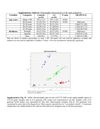
July 2020 in “Immunological Investigations” The rs231775 genetic variant is linked to a higher risk and severity of Alopecia Areata in males.
 August 2016 in “Journal of Investigative Dermatology”
 Blocking the CCR5 receptor may be a new way to treat hair loss from alopecia areata.
25 citations
,
December 2013 in “Journal of Investigative Dermatology Symposium Proceedings” A new mouse model helps understand and find treatments for alopecia areata.
June 2004 in “Annales de Dermatologie et de Vénéréologie”  May 2025 in “The Journal of Rheumatology”
 Anti-CD19 therapy may help treat SLE and NMOSD.
July 2023 in “Nature Immunology” CD8+ virtual memory T cells may cause hair loss in alopecia areata.
 August 2023 in “Research Square (Research Square)”
 Melanocytes may trigger the immune response in alopecia areata, affecting hair regrowth.
13 citations
,
August 2018 in “Life sciences” Kang-ai injection with platinum-based chemotherapy improves tumor response and immune function while reducing side effects in advanced lung cancer.
 April 2023 in “Journal of Investigative Dermatology”
 The research developed methods to test drugs that could protect and restore hair follicle protection in a hair loss condition.
 14 citations
,
January 2005 in “Pediatric Dermatology”
14 citations
,
January 2005 in “Pediatric Dermatology” UVA1-light therapy successfully treated a child's skin condition, mycosis fungoides.
 April 2019 in “Journal of Investigative Dermatology”
 Non-coding RNA boosts retinoic acid production and signaling, aiding regeneration.
13 citations
,
August 2015 in “Oncology Reports” Stem cells slowed lung tumor growth but increased colon tumor growth in mice.
1 citations
,
November 2024 in “Blood” PI3Kδ inhibition may effectively treat cutaneous chronic graft-versus-host disease.