 2 citations
,
July 2015 in “Archives of Dermatological Research”
2 citations
,
July 2015 in “Archives of Dermatological Research” A new gene variant in the DSP gene is linked to a unique type of hair loss.
 2 citations
,
January 2014 in “Springer eBooks”
2 citations
,
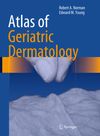
January 2014 in “Springer eBooks” The book details skin conditions in older adults, their link to mental health, cancer treatment importance, hair loss remedies, and managing autoimmune and itchy skin.
 2 citations
,
January 1995 in “Nihon Keshouhin Gijutsushakaishi/Journal of S C C./Nihon Keshouhin Gijutsushakai kaishi”
2 citations
,
January 1995 in “Nihon Keshouhin Gijutsushakaishi/Journal of S C C./Nihon Keshouhin Gijutsushakai kaishi” Ethyl Carbitol is the best at preventing split ends in permed hair.
 1 citations
,
November 2025 in “Cell Death and Disease”
1 citations
,
November 2025 in “Cell Death and Disease” Understanding how mesenchymal stem cells stay undifferentiated can improve their use in treating diseases.
 1 citations
,
April 2025 in “Pediatria i Medycyna Rodzinna”
1 citations
,
April 2025 in “Pediatria i Medycyna Rodzinna” Restoring EDA and WNT pathways early may help improve skin, hair, and teeth issues in hypohidrotic ectodermal dysplasia.
 July 2026 in “bioRxiv (Cold Spring Harbor Laboratory)”
 ACA2 is crucial for root hair growth by controlling calcium levels in cells.
 May 2026 in “Frontiers in Cell and Developmental Biology”
 Collagen networks play a key role in hair loss and follicle miniaturization.
 May 2026 in “Research Square”
 The polyG fragment in Hoxc13 protein helps evolve mammalian skin and hair by enhancing gene interactions.

Newly designed proteins can effectively degrade specific proteins in cells, offering a potential new therapy method.
 December 2025 in “Frontiers in Nutrition”
 Collagen supplements may improve skin, joints, and recovery, especially with added nutrients.
 October 2025 in “Scientific Reports”
 Serenoa repens extract shows promise as a natural treatment for prostate cancer.
A runner developed tangled armpit hairs from shirt friction, preventable by shaving or wearing smooth shirts.
 May 2025 in “Anatolian journal of obstetrics and gynecology research.”
 Androgens affect many aspects of female health, and more research is needed to understand their roles and treatment potential.
 August 2024 in “Saudi Journal of Medical and Pharmaceutical Sciences”
 PRP combined with minoxidil is the most effective treatment for hair growth in androgenetic alopecia.
 May 2024 in “Scientific reports”
 Twist2 is essential for scarless skin healing and hair growth in mouse fetuses.
 April 2024 in “Frontiers in cellular and infection microbiology”
 Blue light might help treat skin conditions by affecting the skin's bacteria.
 March 2024 in “Research Square (Research Square)”
 Twist2 is essential for proper skin healing and hair growth in developing mice.
 January 2024 in “Frontiers in immunology”
 Histone modification is key in treating chronic inflammatory skin diseases.
 December 2023 in “Biointerface Research in Applied Chemistry”
 Stiripentol shows promise as a potential treatment for androgen-related diseases but needs more testing.
 October 2023 in “Open Repository of the University of Porto (University of Porto)”
 Pharmacists play a crucial role in patient care and optimizing treatment outcomes.

The conference emphasized innovative solutions for global challenges, including disaster architecture, education, health, and economic impacts.

Continuous research and innovative strategies are essential for sustainable development.
A new system for classifying curly hair types using precise measurements can improve hair care products and cultural inclusion.
 November 2022 in “CARDIOMETRY”
 A group has developed therapies that show promise for treating cancer and various other conditions.
New methods to classify curly hair types were developed based on shape and strength.
Water and fatty acids affect hair's surface differently based on hair damage, and models can help understand hair-cosmetic interactions.
 January 2022 in “Acta dermatovenerologica Alpina, Pannonica et Adriatica (Tiskana izd.)”
 Uncombable hair syndrome causes frizzy hair and can affect the nervous system, eyes, and ears, often co-occurring with other hair, skin, nail, and teeth conditions, and is linked to three specific gene mutations.

Human hair keratins can be turned into useful 3D biomedical scaffolds through a freeze-thaw process.
 May 2021 in “Letters in Applied NanoBioScience”
 Pranlukast and mirabegron may work as new diabetes drugs.
 January 2021 in “Journal of clinical and cosmetic dermatology”
 Human skin responds to light with protective mechanisms, but more research is needed to understand these processes and their implications for health and therapy.