13 citations
,
July 2015 in “Archives of dermatological research” N1-methylspermidine helps hair growth and reduces inflammation in hair follicles.
 3 citations
,
May 2018 in “Italian journal of dermatology and venereology”
3 citations
,
May 2018 in “Italian journal of dermatology and venereology” The lotion with N1-methylspermidine and Sandalore® effectively reduces hair loss and promotes hair growth.
January 2013 in “Tampere University Institutional Repository (Tampere University)” Tudor-SN is important for immune cells, and polyamines can promote hair growth.
17 citations
,
May 2021 in “Journal of Cell Science” N1-acetylspermidine promotes hair follicle stem cell self-renewal.
10 citations
,
July 1980 in “British Journal of Dermatology” Topical putrescine and spermine increased DNA synthesis in hairless mouse skin.
124 citations
,
July 1997 in “Journal of Biological Chemistry” Overexpressing a specific enzyme in mice causes hair loss and female infertility.
 20 citations
,
January 2021 in “GeroScience”
20 citations
,
January 2021 in “GeroScience” Spermidine helps protect against aging by preserving telomere length.
 61 citations
,
July 2011 in “PLOS ONE”
61 citations
,
July 2011 in “PLOS ONE” Spermidine may help reduce hair loss and deserves further testing as a treatment.
13 citations
,
March 1999 in “Biochemical Journal” Overexpressing SSAT in mice makes them highly sensitive to polyamine analogues, causing liver damage and high mortality.
42 citations
,
February 1996 in “Journal of Investigative Dermatology” Polyamines, especially spermidine, are essential for hair growth.
October 2025 in “Physiologia” Spermidine may improve skin health and hair growth by enhancing cell function.
19 citations
,
March 2016 in “Frontiers in Plant Science” Spermidine is essential for plant growth and adaptation to stress.
91 citations
,
July 2004 in “Journal of Biological Chemistry” Overexpressing SSAT enzyme reduces prostate tumor growth in mice.
37 citations
,
February 2005 in “Journal of Investigative Dermatology” Overexpression of SSAT causes hair loss and skin issues, but reducing putrescine can help.
305 citations
,
March 2008 in “AJP Endocrinology and Metabolism” SSAT is a key enzyme affecting cell growth and metabolism, with potential but risky use in disease treatment.
54 citations
,
February 2002 in “Carcinogenesis” Increasing SSAT makes skin more prone to cancer.
2 citations
,
May 2006 in “Journal of Separation Science” The method effectively measures spermidine in hair lotions.
 January 2025 in “MEDS Public Health and Preventive Medicine”
 Spermidine supplements can help extend the hair growth phase and may be useful for treating hair loss.
54 citations
,
May 2001 in “Journal of Investigative Dermatology” Excessive putrescine causes hair loss in transgenic mice by disrupting hair follicle development.
 10 citations
,
June 2001 in “Annals of neurology”
10 citations
,
June 2001 in “Annals of neurology” Alzheimer's patients have higher levels of certain chemicals in their hair.
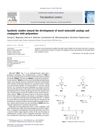 12 citations
,
February 2010 in “Tetrahedron Letters”
12 citations
,
February 2010 in “Tetrahedron Letters” New minoxidil compounds with better water solubility were made, but their full effects and safety need more research.
 8 citations
,
October 2017 in “Dermatology practical & conceptual”
8 citations
,
October 2017 in “Dermatology practical & conceptual” A spermidine-based supplement may help hair grow longer by keeping it in the growth phase.
128 citations
,
December 2006 in “Journal of Biological Chemistry” Altering SSAT affects fat metabolism and body fat in mice.
 1 citations
,
December 2011 in “EFSA Journal”
1 citations
,
December 2011 in “EFSA Journal” Spermidine may help extend the growth phase of hair.
November 2012 in “Journal of Clinical Pathology” February 2026 in “Toxicology Letters” MK-0773 is a moderate inhibitor of the SRD5A2 enzyme.
 April 2024 in “The Journal of urology/The journal of urology”
 SRD5A2 methylation in blood can predict how well someone will respond to finasteride treatment.
75 citations
,
June 2007 in “Journal of Biological Chemistry” MT-DADMe-ImmA can selectively kill head and neck cancer cells without harming normal cells.
 July 2012 in “EFSA supporting publications”
 The EFSA maintained its view that spermidine's effect on hair growth is related to disease treatment and does not meet the health claim criteria.
2 citations
,
November 2017 in “Histochemistry and Cell Biology” Polyamines are abundant in certain parts of rat hair follicles and may play a key role in hair growth.