 12 citations
,
October 2017 in “Journal of Cosmetic Dermatology”
12 citations
,
October 2017 in “Journal of Cosmetic Dermatology” Combining plasma rich in growth factors with hair transplant surgery may lead to faster recovery and better outcomes for hair loss treatment.
PRP treatment can be effective for hair loss.
 May 2023 in “Elsevier eBooks”
 Platelet-rich plasma may help heal injuries.
 July 2024 in “Bozok Tıp Dergisi”
 Platelet-rich plasma treatment shows early improvement in femur head avascular necrosis.
 18 citations
,
July 2020 in “Journal of The American Academy of Dermatology”
18 citations
,
July 2020 in “Journal of The American Academy of Dermatology” PRP injections improve hair density and thickness in women with hair loss.
9 citations
,
July 2019 in “Journal of cosmetic dermatology” Topical PRP cream may improve facial skin by boosting collagen.
Platelet-rich plasma may improve hair transplant results.
 November 2024 in “Medicina”
 Recognizing scalp symptoms in PRP is crucial for proper diagnosis and treatment.
 May 2021 in “Benha Journal of Applied Sciences”
 Platelet-rich plasma injections significantly improved acne scars on treated areas of the face.
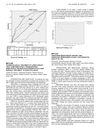 April 2017 in “The Journal of Urology”
 Finasteride before TURP reduces blood loss and improves early postoperative quality of life.
 6 citations
,
May 2021 in “Journal of Health Sciences”
6 citations
,
May 2021 in “Journal of Health Sciences” Intravenous delivery of autologous activated platelet-rich plasma is safe.
4 citations
,
September 2024 in “PubMed” There's not enough evidence to prove platelet-rich plasma works for facial rejuvenation.
January 2023 in “Journal of Plastic Surgery and Hand Surgery” Autogenic PRP improves graft viability more than xenogenic PRP, but both are effective.
 14 citations
,
May 2021 in “Marine Drugs”
14 citations
,
May 2021 in “Marine Drugs” PDRN, derived from salmon sperm, shows promise in healing wounds, reducing inflammation, and regenerating tissues, but more research is needed to understand its mechanisms and improve its use.
 1 citations
,
July 2018 in “Elsevier eBooks”
1 citations
,
July 2018 in “Elsevier eBooks” FAPD and possibly CCCA may be AGA subtypes, and treatments combining antiandrogens, hair growth agents, hair transplants, and anti-inflammatories could be effective.
 October 2025 in “JOURNAL OF CLINICAL AND DIAGNOSTIC RESEARCH”
 Both single and double spin PRP methods effectively treat male hair loss, but single spin is easier and cheaper.
 115 citations
,
January 2014 in “Journal of Cutaneous and Aesthetic Surgery”
115 citations
,
January 2014 in “Journal of Cutaneous and Aesthetic Surgery” Platelet-rich plasma (PRP) is a cheap and easy treatment for hair loss, but not suitable for everyone. It also helps in healing ulcers, rejuvenating skin, and improving hair transplants.
3 citations
,
May 2024 in “Diseases of the Colon & Rectum” Adding platelet-rich plasma does not improve healing of certain fistulas.
 6 citations
,
October 2018 in “Dermatologic Surgery”
6 citations
,
October 2018 in “Dermatologic Surgery” PRP therapy helps slow hair loss and increases hair thickness.
 5 citations
,
January 2021 in “IEEE Access”
5 citations
,
January 2021 in “IEEE Access” Electric pulses can effectively activate platelets and release growth factors, offering a better alternative to traditional methods.
 September 2024 in “Journal of Education Health and Sport”
 PRP therapy can help regrow hair and improve hair thickness.
January 2020 in “International Journal of Trichology” PRP injections are not effective for long-term treatment of temporal triangular alopecia.
134 citations
,
October 2020 in “Preprints.org” Platelet-rich plasma shows promise in healing and treating musculoskeletal issues, but translating lab results to human treatments is challenging.
October 2020 in “Medical journal of Tabriz University of Medical Sciences and Health Services” PRP injections significantly increased hair growth in patients with androgenic alopecia.
 10 citations
,
June 2005 in “The journal of investigative dermatology/Journal of investigative dermatology”
10 citations
,
June 2005 in “The journal of investigative dermatology/Journal of investigative dermatology” FP-1 is a key protein in rat hair growth, active only during the growth phase.
 2 citations
,
April 2017 in “Plastic and Aesthetic Nursing”
2 citations
,
April 2017 in “Plastic and Aesthetic Nursing” Platelet-rich plasma therapy shows promise for hair regrowth in alopecia patients.
51 citations
,
September 2013 in “JEADV. Journal of the European Academy of Dermatology and Venereology/Journal of the European Academy of Dermatology and Venereology” FRMS is a safe and effective treatment for acne scars in Asians with minimal side effects.
July 2022 in “Journal of Investigative Dermatology” TRPS1 loss in balding scalp areas contributes to hair loss in androgenic alopecia.
PRP can improve hair growth in androgenetic alopecia, but results vary.
27 citations
,
July 2020 in “Stem Cells International” ADSC therapy is more effective and safer for treating photoaged skin than PRP.