 43 citations
,
October 2002 in “International Journal of Cosmetic Science”
43 citations
,
October 2002 in “International Journal of Cosmetic Science” All three shampoos reduced dandruff and hair loss, but ketoconazole and piroctone olamine also made hair thicker.
 39 citations
,
June 2019 in “Toxins”
39 citations
,
June 2019 in “Toxins” Bee venom might be a good alternative treatment for various skin conditions because it has many healing properties.
 April 2026 in “Human Genome Variation”
 The MBTPS2 gene variant c.970+5G>A is a common mutation causing IFAP syndrome.
 January 2023 in “International Journal of Research in Medical Sciences & Technology”
 Panchkarma treatment can help manage symptoms of Systemic Lupus Erythematous.
 466 citations
,
August 2004 in “Journal of the American Academy of Dermatology”
466 citations
,
August 2004 in “Journal of the American Academy of Dermatology” Rosacea is a skin condition with unclear causes, classified into four subtypes.
 10 citations
,
June 2019 in “International Journal of Cosmetic Science”
10 citations
,
June 2019 in “International Journal of Cosmetic Science” Some plant-based chemicals may help with hair growth, but more research is needed to confirm their effectiveness.
 5 citations
,
January 2024 in “American Journal of Translational Research”
5 citations
,
January 2024 in “American Journal of Translational Research” Gut bacteria affect female reproductive health and may help diagnose and treat related diseases.
 1 citations
,
January 2018 in “PubMed”
1 citations
,
January 2018 in “PubMed” Women with PCOS have a similar chance of getting pregnant using assisted reproductive treatment as those without PCOS.
 1 citations
,
March 2017 in “Journal of evolution of medical and dental sciences”
1 citations
,
March 2017 in “Journal of evolution of medical and dental sciences” Microneedling with either platelet-rich plasma or 5% minoxidil can increase hair growth in people with androgenetic alopecia, but minoxidil might be slightly better.
 August 2025 in “Research Square (Research Square)”
 High TNF-α levels may increase hair loss risk after PRP therapy.
 75 citations
,
November 2016 in “Medicines”
75 citations
,
November 2016 in “Medicines” Beta-sitosterol has potential health benefits but needs more research to fully understand its effects and improve its use in treatments.

Monthly PRP therapy is more effective than daily minoxidil for alopecia areata.
 44 citations
,
April 2008 in “The Journal of Clinical Endocrinology & Metabolism”
44 citations
,
April 2008 in “The Journal of Clinical Endocrinology & Metabolism” Women with PCOS have similar levels of certain proteins compared to women without PCOS, and these proteins don't independently cause PCOS.
 3 citations
,
August 2015 in “Diabetes and Metabolic Syndrome: Clinical Research and Reviews”
3 citations
,
August 2015 in “Diabetes and Metabolic Syndrome: Clinical Research and Reviews” Married women with type 2 diabetes had a surprisingly low infertility rate, suggesting type 2 diabetes and PCOS may be different conditions.
 4 citations
,
August 2020 in “Journal of Cosmetic Dermatology”
4 citations
,
August 2020 in “Journal of Cosmetic Dermatology” QR 678 and QR678 Neo treatments are effective for hair loss in women with PCOS.
 January 2024 in “Biological & clinical sciences research journal”
 Apigenin, found in plants and vegetables, has many health benefits, including anti-inflammatory, antioxidant, and anticancer effects.
 290 citations
,
December 2017 in “Journal of The American Academy of Dermatology”
290 citations
,
December 2017 in “Journal of The American Academy of Dermatology” Alopecia areata is an autoimmune condition causing hair loss, influenced by genetics, stress, and diet, and may be prevented by a high soy oil diet.
 61 citations
,
September 2010 in “Genomics”
61 citations
,
September 2010 in “Genomics” The study found that immune responses disrupt hair growth cycles, causing hair loss in alopecia areata.
3 citations
,
September 2017 in “Archives of dermatological research” Early diagnosis and tailored treatments are crucial for managing ichthyosis syndromes with hair abnormalities.
 19 citations
,
March 1997 in “Journal of Cutaneous Pathology”
19 citations
,
March 1997 in “Journal of Cutaneous Pathology” Alopecia areata involves specific T-cells, unlike androgenetic alopecia.
 45 citations
,
December 2014 in “Journal of the European Academy of Dermatology and Venereology”
45 citations
,
December 2014 in “Journal of the European Academy of Dermatology and Venereology” Plasmacytoid dendritic cells are a key factor in causing hair loss in alopecia areata and could help differentiate it from other hair loss conditions.
 33 citations
,
June 2012 in “Journal of Crohn's and colitis”
33 citations
,
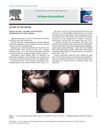
June 2012 in “Journal of Crohn's and colitis” Alopecia Areata might be linked to Crohn's disease.
 18 citations
,
January 2017 in “Annals of dermatology/Annals of Dermatology”
18 citations
,
January 2017 in “Annals of dermatology/Annals of Dermatology” Certain immune cells contribute to severe hair loss in chronic alopecia areata, with Th17 cells possibly having a bigger impact than cytotoxic T cells.
 10 citations
,
May 2018 in “Cell death discovery”
10 citations
,
May 2018 in “Cell death discovery” HSP90 and lamin A/C are crucial for hair growth and could be targets for treating hair loss.
 9 citations
,
January 2019 in “American Journal of Dermatopathology”
9 citations
,
January 2019 in “American Journal of Dermatopathology” DKK-1 gene linked to hair loss in AGA and AA patients; more research needed for potential therapy.
 3 citations
,
May 2024 in “Amino Acids”
3 citations
,
May 2024 in “Amino Acids” Disrupted cysteine metabolism may cause hair breakage in Alopecia Areata, suggesting potential treatments like N-acetylcysteine.
 2 citations
,
August 2020 in “Journal of Cosmetic Dermatology”
2 citations
,
August 2020 in “Journal of Cosmetic Dermatology” Higher granulysin levels in the blood are linked to more severe hair loss in alopecia areata patients, and these levels decrease after effective treatment.
42 citations
,
July 2013 in “Gene” IL-4 gene variation may increase the risk of alopecia areata in Turkish people.
 24 citations
,
October 2012 in “Journal of Ginseng Research”
24 citations
,
October 2012 in “Journal of Ginseng Research” Korean Red Ginseng may help improve hair regrowth when used with corticosteroid injections for Alopecia Areata.
 10 citations
,
March 2014 in “Scandinavian journal of clinical and laboratory investigation”
10 citations
,
March 2014 in “Scandinavian journal of clinical and laboratory investigation” Malondialdehyde-modified DNA may trigger an immune response in alopecia areata patients.