91 citations
,
May 2023 in “Journal of Cutaneous Medicine and Surgery” Alopecia Areata affects 2% globally, with treatments like essential oils, garlic, and JAK inhibitors showing promise, but more research is needed.
Deuruxolitinib is approved to treat severe alopecia areata in adults.
October 2024 in “Frontiers in Immunology” Pertussis toxin may contribute to hair loss in alopecia areata.
4 citations
,
July 2019 in “Experimental Dermatology” 2-deoxy D-glucose does not help with hair regrowth in alopecia areata.
 July 2023 in “Deleted Journal”
 Alopecia areata is the most common type of baldness treated with corticosteroids and minoxidil.
 4 citations
,
January 2011 in “Annals of Dermatology”
4 citations
,
January 2011 in “Annals of Dermatology” Researchers found a new mutation in the HR gene linked to a rare hair loss condition.
November 2023 in “Journal of Investigative Dermatology” JAK inhibitors are effective and generally safe for treating alopecia areata, but monitoring for side effects is important.
 5 citations
,
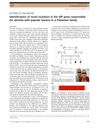
September 2013 in “The Journal of Dermatology”
5 citations
,
September 2013 in “The Journal of Dermatology” Researchers found a new mutation in the HR gene causing hair loss and skin bumps in a Pakistani family.
 September 2022 in “Journal of The American Academy of Dermatology”
 Baricitinib was effective in regrowing eyebrow and eyelash hair in patients with severe alopecia areata.
35 citations
,
November 2022 in “The Journal of Dermatology” Alopecia areata is becoming more common in Japan, with a need for better treatments, especially for severe and pediatric cases.