1 citations
,
April 2017 in “Journal of Investigative Dermatology” Abatacept may help some people with alopecia areata regrow hair.
55 citations
,
October 2015 in “Journal of Investigative Dermatology” Alopecia areata is linked to immune-related genes, suggesting JAK inhibitors as a potential treatment.
 47 citations
,
October 2014 in “Expert Opinion on Emerging Drugs”
47 citations
,
October 2014 in “Expert Opinion on Emerging Drugs” New alopecia treatments aim for better results and fewer side effects.
 16 citations
,
June 2017 in “Advances in Therapy”
16 citations
,
June 2017 in “Advances in Therapy” New treatments for hair loss are showing promise due to better understanding of genetics and the immune system.
 6 citations
,
August 2013 in “Joint Bone Spine”
6 citations
,
August 2013 in “Joint Bone Spine” Tocilizumab treatment was associated with significant hair regrowth in one patient and temporary hair loss followed by regrowth in another.
 2 citations
,
March 2015 in “Expert opinion on orphan drugs”
2 citations
,
March 2015 in “Expert opinion on orphan drugs” New treatments for hair loss show promise but need more research to confirm safety and effectiveness.
 1 citations
,
May 2023 in “Prospects in Pharmaceutical Sciences”
1 citations
,
May 2023 in “Prospects in Pharmaceutical Sciences” New cytokine-targeted therapies show promise for treating alopecia areata.
1 citations
,
October 2017 JAK inhibitors are effective for hair regrowth in severe alopecia areata.
November 2025 in “Skin Appendage Disorders” Immune cell-targeting biologics show potential for treating alopecia areata but need better-targeted therapies.
 July 2023 in “IntechOpen eBooks”
 New treatments for alopecia areata show promise, but more research is needed to confirm their effectiveness.
 April 2019 in “The journal of investigative dermatology/Journal of investigative dermatology”
 Machine learning can predict how well patients with alopecia areata will respond to certain treatments.
April 2017 in “The journal of investigative dermatology/Journal of investigative dermatology” Researchers found three different ways drugs work to treat hair loss from alopecia areata and identified key factors for personalized treatment.
 March 2010 in “Anti-inflammatory & anti-allergy agents in medicinal chemistry”
 Biologic agents can be effective for rheumatic diseases but have risks like infections and require careful monitoring and patient information.
 1 citations
,
January 2014 in “Hair therapy & transplantation”
1 citations
,
January 2014 in “Hair therapy & transplantation” Platelet-rich plasma treatment is not very effective for chronic severe alopecia areata.
 1 citations
,
January 2013 in “International Journal of Trichology”
1 citations
,
January 2013 in “International Journal of Trichology” The conference discussed various hair disorders and treatments, including the use of topical steroids, high doses of cetrizine, and hair grafting, as well as the psychological impact of hair loss.
23 citations
,
December 2013 in “Journal of Investigative Dermatology Symposium Proceedings” Genetic discoveries are leading to new treatments for alopecia areata.
20 citations
,
March 2017 in “Arthritis research & therapy” Social media can help compare the effectiveness and safety of new arthritis medications.
 15 citations
,
April 2011 in “Pediatric Nephrology”
15 citations
,
April 2011 in “Pediatric Nephrology” New treatments for lupus show promise, but more research is needed, especially for children.
June 2025 in “British Journal of Dermatology” Dual-targeting therapies like Janus kinase inhibitors may treat both alopecia areata and other immune diseases.
4 citations
,
October 2024 in “Journal of the American Academy of Dermatology” Abrocitinib may help treat alopecia areata effectively with mild side effects.
April 2025 in “Anais Brasileiros de Dermatologia” Abrocitinib effectively treats severe alopecia areata with significant improvement and no side effects.
5 citations
,
May 2024 in “Journal of Allergy and Clinical Immunology Global” Upadacitinib effectively improved severe atopic dermatitis and alopecia universalis in a 29-year-old man.
43 citations
,
November 2009 in “Archives of dermatology” Alefacept does not effectively treat severe alopecia areata.
Upadacitinib effectively treated a patient with multiple inflammatory conditions.
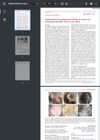 April 2024 in “JEADV clinical practice”
 Upadacitinib significantly improved both rheumatoid arthritis and alopecia areata in a patient.
11 citations
,
February 2022 in “JAAD case reports” Abrocitinib, a JAK inhibitor, may help treat atopic dermatitis and alopecia universalis together.
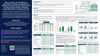 November 2025 in “SKIN The Journal of Cutaneous Medicine”
 Upadacitinib effectively treats severe alopecia areata and is safe.
March 2026 in “Skin Appendage Disorders” Belatacept may be a promising treatment for alopecia areata.
 March 2026 in “Clinical Cosmetic and Investigational Dermatology”
 Upadacitinib improved multiple immune-related conditions in one patient.
20 citations
,
May 2007 in “JDDG Journal der Deutschen Dermatologischen Gesellschaft” Etanercept effectively treated a severe skin condition when other treatments failed.