32 citations
,
August 2016 in “Science Signaling” Alopecia areata patients show unique protein activity patterns, suggesting imbalanced signaling pathways.
5 citations
,
December 2014 in “Molecular cytogenetics” A specific genetic change is linked to mental disorders, intellectual disability, and possibly autoimmune disease in a family.
 January 2026 in “Figshare”
 ASLNC168501 may help restore hair growth in androgenetic alopecia by improving hair follicle stem cell function.
 32 citations
,
May 2012 in “PloS one”
32 citations
,
May 2012 in “PloS one” Thymic transplantation normalized some T-cells but not others, maintaining immune function.
1 citations
,
July 2006 in “Journal of Investigative Dermatology” A 4kb fragment of the desmocollin 3 promoter targets gene expression to specific skin and hair follicle areas.
16 citations
,
September 2020 in “Animals” circRNA-1926 helps goat stem cells turn into hair follicles by affecting miR-148a/b-3p and CDK19.
 August 2024 in “OSMANGAZİ JOURNAL OF MEDICINE”
 The visfatin GT genotype may increase the risk of Alopecia Areata.
29 citations
,
March 2000 in “Journal of Investigative Dermatology” The gene for Marie Unna hereditary hypotrichosis is located on chromosome 8p21.
48 citations
,
February 2010 in “Molecular biology reports” KAP7.1 and KAP8.2 genes are crucial for cashmere quality in goats.
January 2024 in “International journal of molecular sciences” Hoxc13 gene affects wool length in Gansu alpine fine-wool sheep.
9 citations
,
April 1999 in “Mammalian Genome” Acidic keratin genes are on CFA9 and basic keratin genes are on CFA27 in dogs.
January 2022 in “SSRN Electronic Journal” LncRNA RP11-818024.3 helps hair growth and recovery in hair loss by boosting cell survival and reducing cell death.
 April 2010 in “The Journal of Urology”
 Human prostate cells produce more WISP1/CCN4 when there's not enough oxygen.
 32 citations
,
January 2017 in “Orphanet journal of rare diseases”
32 citations
,
January 2017 in “Orphanet journal of rare diseases” FOXN1 gene mutations cause a rare, severe immune disease treatable with cell or tissue transplants.
6 citations
,
January 2004 in “DNA Research” A mutation in the Sgkl gene causes defective hair growth in mice.
The microenvironment affects the behavior and survival of melanocytes with the GNAQ oncogene in melanoma.
11 citations
,
June 2017 in “Asian-Australasian journal of animal sciences” Fox genes are important for hair growth and development in cashmere goats.
12 citations
,
December 2013 in “Immunological Investigations” The SNP rs6457452 is linked to a higher risk of alopecia areata in Koreans.
 May 2026 in “Theranostics”
 Targeting DKK3–CKAP4 can help reverse hair loss in androgenetic alopecia.
 111 citations
,
October 2008 in “Nature Genetics”
111 citations
,
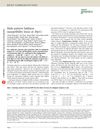
October 2008 in “Nature Genetics” Researchers found a new gene area linked to male-pattern baldness, which, along with another gene, significantly increases the risk of hair loss in men.
 3 citations
,
January 2008 in “Endocrine journal”
3 citations
,
January 2008 in “Endocrine journal” A new mutation linked to partial Androgen Insensitivity Syndrome and prostate cancer was found in a patient unhappy with their female gender assignment.
November 2022 in “Annals of Translational Medicine” Immune activities and specific genes are important in male pattern baldness.
CCC1 is crucial for pH balance in plant cells, affecting growth and stress tolerance.
August 2021 in “The journal of investigative dermatology/Journal of investigative dermatology” TAGX-0003 protected hair follicles and reversed alopecia areata in a mouse model.
1 citations
,
July 2007 in “Journal of Investigative Dermatology” The mutation causes hairless mice due to mislocalized and dysfunctional HR protein.
27 citations
,
January 2000 in “Developmental Dynamics” Mutations in the Whn gene affect hair keratin gene expression differently.
March 2024 in “Preprints.org” Activated protein C helps protect mice from radiation damage.
 28 citations
,
October 2004 in “Differentiation”
28 citations
,
October 2004 in “Differentiation” A gene deletion causes the "hairless" trait in Iffa Credo rats.
9 citations
,
November 2007 in “Blood” TMPRSS6 is crucial for controlling hepcidin and normal iron absorption.

Wild African goats have genetic adaptations for surviving harsh desert conditions.