 January 2019 in “Acta dermatovenerologica Alpina, Pannonica et Adriatica (Tiskana izd.)”
 Non-ablative radio frequency can potentially increase hair count in men with androgenetic alopecia, but some may be bothered by the smell during treatment.
 April 2017 in “Journal of Investigative Dermatology”
 Psoriasis patients experience moderate functional impairment related to disease severity and less satisfaction.
 25 citations
,
June 2018 in “Clinical and Experimental Dermatology”
25 citations
,
June 2018 in “Clinical and Experimental Dermatology” Combined microneedling and minoxidil improves hair growth more than minoxidil alone.
 11 citations
,
August 2018 in “Facial Plastic Surgery Clinics of North America”
11 citations
,
August 2018 in “Facial Plastic Surgery Clinics of North America” Adipose-derived stem cells show potential for skin rejuvenation and wound healing but require more research to overcome challenges and ensure safety.
 2 citations
,
January 2021 in “JAAD Case Reports”
2 citations
,
January 2021 in “JAAD Case Reports” Using a special laser and skin medication together successfully cleared a skin condition in a pregnant woman.
 25 citations
,
May 2020 in “Aesthetic Surgery Journal”
25 citations
,
May 2020 in “Aesthetic Surgery Journal” The regenerative solution, tSVF, is a safe and effective treatment for various conditions like aged skin, scars, wounds, and more, but more research is needed to find the best way to use it.
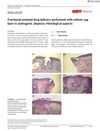 January 2021 in “Dermatologic Therapy”
 Channels stay open for 24 hours, making laser treatment potentially effective for hair loss.
 April 2019 in “Journal of Investigative Dermatology”
 Fractional photothermolysis helps wounds heal with minimal scarring.
 February 2009 in “Journal of The American Academy of Dermatology”
 Fractional infrared technology is effective and safe for treating cervical laxity.
 15 citations
,
July 2019 in “Lasers in surgery and medicine”
15 citations
,
July 2019 in “Lasers in surgery and medicine” The erbium-glass laser effectively promotes hair regrowth in alopecia areata.
 10 citations
,
August 2018 in “Dermatologic Surgery”
10 citations
,
August 2018 in “Dermatologic Surgery” Laser treatment improves hair density and increases growth factors in androgenetic alopecia.
 April 2025 in “Archives of Dermatological Research”
 Combining CO2 laser and Bimatoprost effectively boosts hair regrowth in Alopecia Areata.
3 citations
,
August 2021 in “Journal of Cosmetic Dermatology” Non-ablative Er:YAG laser effectively treats hair loss with high patient satisfaction and no side effects.
October 2022 in “Journal of Drugs in Dermatology” Combining PRP and laser treatments improves hair density best for androgenetic alopecia.
 92 citations
,
June 2017 in “Journal of Plastic Reconstructive and Aesthetic Surgery”
92 citations
,
June 2017 in “Journal of Plastic Reconstructive and Aesthetic Surgery” Microneedling is a safe and effective treatment for various skin conditions, often preferred for its fewer side effects and shorter recovery time.
 42 citations
,
December 2014 in “Clinical, cosmetic and investigational dermatology”
42 citations
,
December 2014 in “Clinical, cosmetic and investigational dermatology” Nonablative radiofrequency treatments, especially microneedle and fractional types, can improve acne scars by 25%–75% after 3-4 sessions, with full results in 3 months and some side effects.
19 citations
,
October 2023 in “Bioengineering” tSVF is effective for treating inflammation-related conditions, with centrifugation being the best method for isolation.
 57 citations
,
January 1986 in “The Prostate”
57 citations
,
January 1986 in “The Prostate” The document suggests that targeting the hormone DHT could be a more effective treatment for prostate cancer than targeting testosterone.
 5 citations
,
April 2019 in “Plastic and reconstructive surgery. Global open”
5 citations
,
April 2019 in “Plastic and reconstructive surgery. Global open” Fractional lasers could help hair regrowth in androgenic alopecia, but more research is needed to confirm their effectiveness and safety.
4 citations
,
November 2023 in “Journal of Cosmetic Dermatology” Negative pressure fractional microneedle radiofrequency effectively and safely reduces periorbital aging signs.
 January 2023 in “Journal of cosmetic dermatology”
 Fractional lasers effectively treat alopecia areata, especially when combined with minoxidil or cortisol.
115 citations
,
April 2010 in “Archives of Dermatology” Surgical face-lifts are more effective, but fractional radiofrequency is a good, less invasive alternative for treating skin laxity.
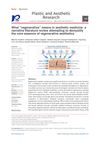 February 2026 in “Plastic and Aesthetic Research”
 Regenerative aesthetic medicine aims to restore tissue function, but needs more consistent evidence and standardized practices.
 January 2017 in “Lasers in Surgery and Medicine”
 The 2017 issue emphasized progress in laser and energy-based skin treatments, but noted the need for more research on certain procedures and technologies.
 February 2009 in “Journal of The American Academy of Dermatology”
 Fractional infrared technology is effective and safe for treating cervical laxity.
 4 citations
,
September 2019 in “Journal of The American Academy of Dermatology”
4 citations
,
September 2019 in “Journal of The American Academy of Dermatology” Platelet-rich plasma combined with other treatments improves acne scars better than those treatments alone.
 October 2023 in “Skin research and technology”
 The 675 nm laser effectively improved facial acne scars in dark skin with minimal side effects.
 November 2024 in “Fizioterapevt (Physiotherapist)”
 High-intensity phototechnology, especially with other treatments, effectively improves quality of life for diffuse alopecia patients.
A new laser treatment may help regrow hair in men with pattern baldness and has minimal side effects.
 11 citations
,
January 2020 in “Dermatologica Sinica”
11 citations
,
January 2020 in “Dermatologica Sinica” Tofacitinib helps regrow hair in severe alopecia patients, but more research is needed.