 1 citations
,
May 2018 in “Clinical chemistry”
1 citations
,
May 2018 in “Clinical chemistry” The girl's unexpected pubic hair growth led to a diagnosis different from complete androgen insensitivity syndrome.
7 citations
,
October 2015 in “Experimental dermatology” Blocking the mineralocorticoid receptor can help treat skin thinning caused by steroids.
 January 2025 in “Regenerative Biomaterials”
 The hydrogel helps reduce scarring and improve wound healing by releasing salvianolic acid B in acidic conditions.
 June 2023 in “Frontiers in Medicine”
 Protein tyrosine kinases are key in male pattern baldness, affecting skin structure, hair growth, and immune responses.
 January 2017 in “International journal of science and research”
 Trichotillomania is a chronic hair-pulling disorder, more common in females, treated with therapy and sometimes medication.
December 1972 in “Archives of Dermatology” The girl has an inflammatory type of scarring hair loss.
 165 citations
,
September 2001 in “Genes & development”
165 citations
,
September 2001 in “Genes & development” CDP is crucial for lung and hair follicle cell development.
 June 2003 in “Journal of Investigative Dermatology Symposium Proceedings”
 Advancements in hair biology include new treatments and tools for hair growth and alopecia.
 9 citations
,
February 2019 in “BMC cancer”
9 citations
,
February 2019 in “BMC cancer” M30 is a promising treatment for preventing hair loss during chemotherapy.
April 2016 in “Journal of Investigative Dermatology” Mutations in the TSPEAR gene cause a new form of ectodermal dysplasia affecting hair and tooth development.
30 citations
,
October 2010 in “Biochemical and biophysical research communications” The Gsdma3 gene is essential for normal hair development in mice.
January 2004 in “uO Research (University of Ottawa)” Claudin 6 is crucial for normal skin and hair development.
 146 citations
,
May 2002 in “The American journal of pathology”
146 citations
,
May 2002 in “The American journal of pathology” Cathepsin L is essential for normal hair growth and development.
25 citations
,
September 1995 in “Biochemistry and Cell Biology” High levels of human keratin 16 in mice cause skin lesions and abnormal skin development.
 November 2024 in “The Journal of Cell Biology”
 Basement membrane changes are crucial for hair follicle development.
 2 citations
,
January 1960 in “Australian Journal of Biological Sciences”
2 citations
,
January 1960 in “Australian Journal of Biological Sciences” The Naked gene in mice causes abnormal sebaceous glands and disrupts hair follicle organization.
 April 2018 in “Journal of Investigative Dermatology”
 Hair follicle stem cells can change their role to ensure proper hair development.
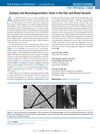 2 citations
,
October 2018 in “The journal of pediatrics/The Journal of pediatrics”
2 citations
,
October 2018 in “The journal of pediatrics/The Journal of pediatrics” The document concludes that specific hair and blood vessel abnormalities in infants with seizures and developmental issues may indicate Menkes disease, which lacks a cure and is often fatal by age 3.
14 citations
,
April 2013 in “Journal of dermatological science” Hairless protein reduces Msx2 gene activity, affecting hair follicle development.
January 2005 in “Zhonghua xingwei yixue yu naokexue zazhi” Selenium and iodine deficiencies cause delayed growth and abnormal neural behavior in rats.
39 citations
,
September 2007 in “BMC developmental biology” Neuregulin3 affects cell development in the skin and mammary glands.
 69 citations
,
August 1999 in “Developmental biology”
69 citations
,
August 1999 in “Developmental biology” The nude gene causes skin cell overgrowth and improper development, leading to hair and urinary issues.
33 citations
,
August 2008 in “American Journal Of Pathology” Hedgehog signaling is essential for normal sebaceous gland development and affects keratin 6a expression.
101 citations
,
June 2003 in “The EMBO Journal” Phospholipase Cδ1 is crucial for normal skin and hair development.
 April 2023 in “Journal of Investigative Dermatology”
 Mutations in the SHH pathway in certain skin cells can cause skin tumors and abnormal hair growth.
 15 citations
,
April 2007 in “Journal of child neurology”
15 citations
,
April 2007 in “Journal of child neurology” An 11-month-old boy with Menkes disease had severe brain shrinkage and abnormal blood vessels, and didn't respond well to treatment.
15 citations
,
April 2011 in “Biological Chemistry” Cathepsin E is crucial for normal skin cell differentiation and development.
6 citations
,
October 2020 in “Frontiers in cell and developmental biology” WWOX deficiency in mice causes skin and fat tissue problems due to disrupted cell survival signals.
 1 citations
,
June 2021 in “bioRxiv (Cold Spring Harbor Laboratory)”
1 citations
,
June 2021 in “bioRxiv (Cold Spring Harbor Laboratory)” Activating β-catenin in mammary cells leads to changes that cause early-stage abnormal growths similar to skin structures.
December 2016 in “Experimental and Molecular Pathology” Mus pahari mice have fragile skin due to abnormal collagen and elastin.