 8 citations
,
December 1996 in “Dermatologic Surgery”
8 citations
,
December 1996 in “Dermatologic Surgery” Both ASR I and ASR II are effective scalp reduction techniques, with ASR I creating finer scars and ASR II removing more bald area and reducing stretch-back.
 July 2024 in “International Journal of Dermatology Venereology and Leprosy Sciences”
 The combination treatment improved acne scars.
39 citations
,
March 1997 in “The Lancet” Acquired perforating dermatosis often affects skin in people with kidney issues and diabetes.
 April 2025 in “Dermatology Practical & Conceptual”
 Biopsy is crucial to accurately distinguish Erosive Pustular Dermatosis of the Scalp from Squamous Cell Carcinoma.
 October 2015 in “Reactions Weekly”
 A woman got a scalp condition from using latanoprost, but it improved after stopping the drug and starting other treatments.
 April 2015 in “Reactions Weekly”
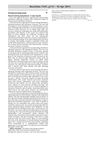
 Some elderly men had healing problems after using imiquimod and diclofenac for skin conditions on their scalps.
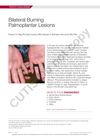
The woman was diagnosed with lichen sclerosus, a rare skin condition, after initial misdiagnosis and ineffective treatments.
124 citations
,
April 2000 in “Nature biotechnology” 67 citations
,
December 2013 in “Journal of Biological Chemistry” SCD1 is crucial for skin health and overall energy balance.
10 citations
,
June 2019 in “International Journal of Pharmaceutics” Hair removal methods damage the skin barrier and affect substance penetration.
 2 citations
,
August 2023 in “Autophagy”
2 citations
,
August 2023 in “Autophagy” Autophagy helps control skin inflammation and cancer responses and regulates hair growth by affecting stem cell activity.
2 citations
,
December 2007 in “Microbial pathogenesis” Anthrax bacteria can infect and destroy hair follicles in mice, but the immune system eventually clears the infection.
 February 2025 in “Brazilian Journal of Hair Health”
 The Brazilian candle flame technique can damage hair by melting the cuticle and exposing the cortex.
September 2017 in “Journal of Investigative Dermatology” Activating Nrf2 helps wounds heal faster by increasing hair follicle stem cells.
Hair follicles can effectively absorb nano-sized particles, making them potential targets for localized drug delivery.
 November 2011 in “Advanced Materials Research”
 Adding 1% hair fibers to brake materials improves friction and wear, making them more effective.
2 citations
,
May 2008 in “Journal of Clinical Oncology” AZD6244 treatment causes skin aging effects by depleting skin stem cells.
20 citations
,
October 2005 in “Archives of Dermatological Research” 
Aluminum phosphide poisoning can cause horizontal nail grooves and hair loss.
8 citations
,
January 2014 in “Indian Journal of Paediatric Dermatology” Congenital atrichia with papular lesions causes permanent hair loss and skin bumps from birth.
22 citations
,
January 1999 in “Dermatology” The condition might be caused by genetic changes after birth.
173 citations
,
July 2012 in “British Journal of Dermatology” Dabrafenib can cause skin growths and sometimes low-grade skin cancer.
 May 2013 in “Reactions Weekly”
 Using minoxidil can cause severe skin reactions in some people.
October 1991 in “Archives of Dermatology” The woman has a skin condition involving nodules, scars, and hair loss.
September 2014 in “Emergency Medicine News” The man's skin condition improved with sun protection and topical steroids, but UV exposure still caused flare-ups.
 4 citations
,
January 2010 in “Journal of Veterinary Medical Science”
4 citations
,
January 2010 in “Journal of Veterinary Medical Science” The analyses helped identify different skin diseases in the two dogs.
January 2007 in “Bristol Research (University of Bristol)” Epidermolysis bullosa in UK calves is not caused by mutations in keratin genes.
 December 2024 in “Indian Journal of Dermatology”
 Dermoscopy is useful for diagnosing Atrichia with Papular Lesions in children without needing a biopsy.
 3 citations
,
January 2021 in “Wear”
3 citations
,
January 2021 in “Wear” Hair's resistance to wear varies by ethnicity and treatment, with less wear indicating stronger hair.