 56 citations
,
June 1970 in “The BMJ”
56 citations
,
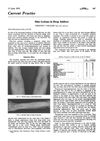
June 1970 in “The BMJ” Drug addicts often have scars, skin color changes, blocked veins, and bruising, with severe ulcers from barbiturate injections.
May 2018 in “Dermatologic Surgery” 1 citations
,
September 2022 in “European Journal of Dermatology” Gene sequencing is essential for diagnosing junctional epidermolysis bullosa.
1 citations
,
January 2000 in “Indian Journal of Dermatology” A woman had hair loss and scalp nodules due to black piedra, confirmed by tests.
March 2007 in “International Journal of Cosmetic Science” Hair with more melanin resists weather damage better.
 July 2022 in “Dermatology Reports”
 A rare scalp condition called Erosive pustular dermatosis is hard to diagnose and treat.
 January 2024 in “Revista Dermatológica Centro Uraga”
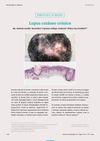
 The patient has Chronic Cutaneous Lupus, a skin condition causing plaques and hair loss.
November 2023 in “IntechOpen eBooks” Arsenic exposure from contaminated water severely damages the skin, causing hair loss, pigmentation changes, irritation, and can lead to skin cancer.
69 citations
,
August 1995 in “Annals of Plastic Surgery” The ultrapulse carbon dioxide laser can effectively resurface skin without scarring.
 January 2020 in “Medical journal of clinical trials & case studies”
 A 37-year-old male with severe skin and internal issues has a rare inherited skin condition called dystrophic epidermolysis bullosa.

Meis2 is essential for touch sensation and nerve function in mice.

The transcription factor Meis2 is essential for touch sensation and proper nerve development in touch receptors.
September 2024 in “Journal of the American Academy of Dermatology” 25 citations
,
June 2009 in “British Journal of Dermatology” Early scar classification in lupus can improve treatment and patient outcomes.
41 citations
,
April 2006 in “Journal of Pediatric and Adolescent Gynecology” Shaving caused a mild, itchy pubic rash with small bumps and crusts.

Early and accurate identification of primary scarring alopecias is crucial to prevent permanent hair loss.
19 citations
,
August 1996 in “British Journal of Dermatology” Alopecia areata affects hair follicle structure, even in non-balding areas.
29 citations
,
December 1982 in “Archives of Dermatology” Various cosmetic skin issues can be treated with techniques like dermabrasion, chemical peels, and hair transplants.
 11 citations
,
January 2016 in “Journal of clinical & experimental dermatology research”
11 citations
,
January 2016 in “Journal of clinical & experimental dermatology research” Substance abuse can cause various skin problems, including marks from injections, sores, premature aging, and increased cancer risk.
February 2022 in “Authorea (Authorea)” PAON shows skin patterns due to genetic mosaicism.
2 citations
,
August 2004 in “Veterinary Dermatology” A dog with a hereditary skin condition causing blisters and hair loss survived for a year.
2 citations
,
May 2000 in “International Society of Hair Restoration Surgery” Scarring alopecias are a complex type of hair loss that are hard to treat and often can't be fixed with hair transplants.
 February 2024 in “Australasian journal of dermatology”
 Inflammatory acne damages skin stem cells and reduces their growth, leading to atrophic acne scars.
 2 citations
,
May 2022 in “JAAD case reports”
2 citations
,
May 2022 in “JAAD case reports” Using powdered umbilical remnant allograft can effectively treat chronic scalp wounds resistant to traditional treatments.
January 2026 in “Deutsches Ärzteblatt international” 1 citations
,
January 2022 in “Skin appendage disorders” DCPA is a chronic skin condition affecting the legs, often misdiagnosed, and needs more research for better understanding and treatment.
 May 2026 in “Repository of the University of Ljubljana (University of Ljubljana)”
 Chemical exfoliants, especially with glycolic acid, are more effective for keratosis pilaris.
2 citations
,
January 1990 20 citations
,
February 2018 in “Journal of the European Academy of Dermatology and Venereology” Topical vitamin C may help treat skin fragility in the elderly.
June 2021 in “The Journal of Family Practice” A 69-year-old woman has a fast-growing hand lesion that didn't improve with salicylic acid.