 5 citations
,
January 2021 in “Inflammatory Bowel Diseases”
5 citations
,
January 2021 in “Inflammatory Bowel Diseases” Tofacitinib improved ulcerative colitis, skin ulcers, and hair loss in a patient who didn't respond well to other treatments.
 1 citations
,
September 2023 in “Journal of the American Academy of Dermatology”
1 citations
,
September 2023 in “Journal of the American Academy of Dermatology” Baricitinib significantly improves hair regrowth in severe alopecia areata.
 6 citations
,
May 2023 in “Drugs”
6 citations
,
May 2023 in “Drugs” Baricitinib helps regrow hair in adults with severe alopecia better than a placebo and is approved for treatment, but long-term effects are still unknown.
19 citations
,
April 2016 in “Case Reports in Dermatology” Nilotinib can cause keratosis pilaris, a skin condition.
2 citations
,
September 2024 in “Internal Medicine Journal” Upadacitinib helped regrow hair and maintain ulcerative colitis remission.
173 citations
,
July 2012 in “British Journal of Dermatology” Dabrafenib can cause skin growths and sometimes low-grade skin cancer.
September 2024 in “Dermatologica Sinica” Ponatinib can cause a rare skin reaction that resolves with topical treatment and temporary drug discontinuation.
10 citations
,
January 2023 in “SAGE Open Medical Case Reports” Upadacitinib may effectively treat both alopecia universalis and Crohn's disease.
7 citations
,
August 2024 in “Clinical and Experimental Dermatology” Upadacitinib is effective and safe for treating severe alopecia areata in teens.
February 2025 in “Skin Appendage Disorders” Upadacitinib helps most people with alopecia regrow hair quickly and is generally safe.
 April 2026 in “Clinical Journal of Gastroenterology”
 Upadacitinib can cause hypersensitivity that worsens ulcerative colitis symptoms.

Dacomitinib can cause nail and skin issues, but these can be managed without stopping the drug.
October 2024 in “The American Journal of Gastroenterology” Upadacitinib improved both Crohn's ileitis and alopecia universalis in a patient.
July 2026 in “Journal of Enzyme Inhibition and Medicinal Chemistry” Improved CRBN ligands make protein degraders more effective and drug-like.
November 2025 in “Journal of Investigative Dermatology”  February 2026 in “Frontiers in Immunology”
 Ivarmacitinib significantly improved hair regrowth in severe alopecia areata after tofacitinib was less effective.
 December 2025 in “International Journal of Innovative Technologies in Social Science”
 Ritlecitinib is generally safe for long-term use, with mostly mild side effects.
 2 citations
,
April 2023 in “JEADV. Journal of the European Academy of Dermatology and Venereology/Journal of the European Academy of Dermatology and Venereology”
2 citations
,
April 2023 in “JEADV. Journal of the European Academy of Dermatology and Venereology/Journal of the European Academy of Dermatology and Venereology” JAK-inhibitors for alopecia areata are generally safe with mostly mild side effects and a low rate of treatment withdrawal.
8 citations
,
January 2023 in “Indian Dermatology Online Journal” Baricitinib effectively treats certain skin conditions but may have serious side effects.
 41 citations
,
December 2015 in “JAMA Dermatology”
41 citations
,
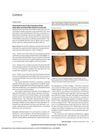
December 2015 in “JAMA Dermatology” Tofacitinib citrate improved nail dystrophy and pain in patients with alopecia universalis without causing side effects.
16 citations
,
June 2018 in “JAAD case reports” A JAK inhibitor improved both severe hair loss and chronic skin disease in one patient.
14 citations
,
April 2023 in “Acta Dermato Venereologica” Upadacitinib effectively treated severe hair loss in a child.
 April 2026 in “Frontiers in Medicine”
 Upadacitinib effectively treats psoriasis and lichen planus together.
 September 2022 in “Journal of The American Academy of Dermatology”
 Baricitinib was effective in regrowing eyebrow and eyelash hair in patients with severe alopecia areata.
2 citations
,
January 2025 in “Journal of Clinical Immunology” September 2002 in “Oncology Times” Promising cancer treatments were found, but the manufacturer closed.
 March 2024 in “Clinical, cosmetic and investigational dermatology”
 Upadacitinib may effectively treat alopecia areata without side effects.
 15 citations
,
December 2014 in “Dermatology and therapy”
15 citations
,
December 2014 in “Dermatology and therapy” Sorafenib can cause facial acne-like eruptions, which improve after reducing the dose or stopping the drug.
6 citations
,
December 2018 in “Ophthalmic Plastic and Reconstructive Surgery” Afatinib can cause eyelash and eyebrow issues, leading to eye irritation and pain.
 1 citations
,
September 2022 in “Journal of The American Academy of Dermatology”
1 citations
,
September 2022 in “Journal of The American Academy of Dermatology” Baricitinib helps grow eyebrows and eyelashes in severe alopecia areata patients.