14 citations
,
February 1991 in “FEBS Letters” Introducing the rat OTC gene partially corrected OTC deficiency in mice.
9 citations
,
October 2025 in “MedComm” PROTACs offer new ways to treat hard-to-target diseases, with promising drugs for cancer in advanced trials.
 April 2018 in “Journal of Investigative Dermatology”
 Blocking α-toxin helps heal Staphylococcus aureus-infected wounds faster in both normal and diabetic mice, with different effects on their immune responses.
 6 citations
,
January 2017 in “Dermato-endocrinology”
6 citations
,
January 2017 in “Dermato-endocrinology” ADT-G may be a useful indicator of increased androgen levels in women with acne and can be lowered with certain birth control pills.
1 citations
,
April 2025 in “Skin Health and Disease” Abrocitinib is being evaluated for safety and effectiveness in treating moderate to severe atopic dermatitis.
 February 2026 in “Molecules”
 BBR-SA nanomedicine is a safe and effective treatment for breast cancer.
March 2024 in “Preprints.org” Activated protein C helps protect mice from radiation damage.
 December 2019 in “International journal of engineering applied science and technology”
 Tridax procumbens, a weed, has various medicinal properties including wound healing and antibacterial effects.
 March 2026 in “International Journal of Dermatology and Venereology”
 Abrocitinib significantly improved hair regrowth in adolescents with alopecia areata without serious safety issues.
2 citations
,
October 2025 in “Antimicrobial Agents and Chemotherapy” Cepharanthine can block enterovirus entry and protect against infection.
18 citations
,
December 2005 in “Journal of Medicinal Chemistry” A brominated phenoxy compound effectively inhibits a human enzyme and shows potential for clinical use.
 September 2019 in “Journal of Investigative Dermatology”
 Abrocitinib at 100 mg and 200 mg daily may significantly improve moderate-to-severe atopic dermatitis in patients 12 years and older.
1′S-1′-Acetoxychavicol acetate may help treat hair loss by reducing oxidative stress.
 May 2020 in “International Journal of Engineering Applied Sciences and Technology”
 Bioactive plant materials like lemon, garlic, and neem effectively fight harmful bacteria.
January 2009 in “ScholarlyCommons (University of Pennsylvania)” The P133R mutation in AKR1D1 enzyme causes harmful bile acid buildup, explaining related health issues.
3 citations
,
January 2024 in “3 Biotech”  17 citations
,
December 2004 in “Bioorganic & Medicinal Chemistry Letters”
17 citations
,
December 2004 in “Bioorganic & Medicinal Chemistry Letters” Scientists found new, better-working inhibitors for a hormone-related enzyme.
19 citations
,
August 2019 in “Journal of Cellular Biochemistry” ADSCs help protect skin from UV damage and aging.
24 citations
,
January 2022 in “Journal of Nanobiotechnology” Quaternary ammonium iminofullerenes help maize roots grow better under stress by reducing oxidative damage.
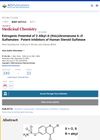 37 citations
,
September 2003 in “Journal of Medicinal Chemistry”
37 citations
,
September 2003 in “Journal of Medicinal Chemistry” A substance called Compound 2g can strongly block STS (a hormone-related enzyme) without affecting estrogen levels, making it potentially good for treating breast cancer.
4 citations
,
October 2024 in “Journal of the American Academy of Dermatology” Abrocitinib may help treat alopecia areata effectively with mild side effects.
6 citations
,
August 2021 in “International Journal of Cosmetic Science” Using antioxidants on the scalp can make it healthier and decrease hair loss.
 2 citations
,
September 2022 in “Advances in Environmental Biology”
2 citations
,
September 2022 in “Advances in Environmental Biology” Avicennia marina leaf extract can fight Vancomycin-resistant bacteria.
50 citations
,
August 2021 in “Stem Cell Research & Therapy” Adipose-derived stem cells help heal radiation skin damage by reducing cell death and inflammation.
 April 2025 in “Al-Rafidain Journal of Medical Sciences ( ISSN 2789-3219 )”
 Cuscuta reflexa extract may help treat benign prostatic hyperplasia by reducing inflammation and oxidative stress.
25 citations
,
March 2004 in “Regulatory Toxicology and Pharmacology” Using testosterone-stimulated weanling rats can effectively replace castrated rats for anti-androgen testing, reducing animal stress.
 1 citations
,
May 2026 in “Environmental Health Engineering and Management”
1 citations
,
May 2026 in “Environmental Health Engineering and Management” Sawdust can effectively remove thallium from water.
37 citations
,
November 2020 in “International Journal of Nanomedicine” Nano-liposol with astaxanthin may improve antioxidant and wound healing effects.
45 citations
,
July 2025 in “Journal of Medicinal Chemistry” Vepdegestrant may become the first FDA-approved PROTAC degrader, marking a new era in drug development.
142 citations
,
November 2009 in “BMC Complementary and Alternative Medicine” Tridax procumbens significantly lowers blood sugar in diabetic rats.