Search
for
Sort by
Research
120-150 / 1000+ resultsresearch Unraveling Evolutionary Insights into AVT Peptide Conservation and Antimicrobial Motif Prediction Across Taxa
AVT is highly conserved and may have antimicrobial properties.
research ADT-G as a promising biomarker for peripheral hyperandrogenism in adult female acne
ADT-G may be a useful indicator of increased androgen levels in women with acne and can be lowered with certain birth control pills.
research Enhancement of Intermittent Androgen Ablation Therapy by Finasteride Administration in Animal Models
research Enhancement of Intermittent Androgen Ablation Therapy by Finasteride Administration in Animal Models
research Enhancement of Intermittent Androgen Ablation Therapy by Finasteride Administration in Animal Models
research Oral abrocitinib for treatment of refractory alopecia areata: A retrospective study
Abrocitinib may help treat alopecia areata effectively with mild side effects.
research A pan-European register-based observational study of abrocitinib and conventional systemic therapies in moderate and severe atopic dermatitis: the DREAM TO TREAT AD study protocol
Abrocitinib is being evaluated for safety and effectiveness in treating moderate to severe atopic dermatitis.
research Effectiveness of Abrocitinib in Adolescent Alopecia Areata: A Prospective Observational Pilot Study
Abrocitinib significantly improved hair regrowth in adolescents with alopecia areata without serious safety issues.
research A case of atopic dermatitis with alopecia universalis in a patient treated with abrocitinib
Abrocitinib, a JAK inhibitor, may help treat atopic dermatitis and alopecia universalis together.

research Antimicrobial and Antibiofilm Activities of Abietic Acid against Skin-Associated Opportunistic Microorganisms
Abietic acid from pine rosin can effectively fight and reduce harmful skin microbes.
research P164 Cutaneous toxicities occurring during amivantamab treatment: the experience of a single large specialist institution
Amivantamab treatment often causes skin issues that can affect quality of life and treatment continuation.
research Table_1.docx
Androgen suppression therapy (AST) doesn't significantly lower bladder cancer risk, but using finasteride, a type of AST, might reduce it. AST decreases recurrence-free survival but doesn't affect overall survival or progression-free survival. More research is needed to understand AST's benefits.
research AnnoPharma: Detection of substances responsible of ADR by annotating and extracting information from MEDLINE abstracts
AnnoPharma effectively identifies substances causing adverse drug reactions in medical abstracts.
research Tributyltin (TBT) effects on Ocinebrina aciculata (Gastropoda: Muricidae): imposex development, sterilization, sex change and population decline
Tributyltin exposure causes sex changes, sterilization, and decline in the snail Ocinebrina aciculata, risking its extinction.

research Cleave but not leave: Astrotactin proteins in development and disease
Astrotactin proteins are important for brain and skin development and are linked to several neurodevelopmental disorders.
research Bicalutamide does not raise transaminases in comparison to alternative anti-androgen regimens among transfeminine adolescents and young adults: a retrospective cohort study
Bicalutamide does not significantly affect liver enzymes and is a safe anti-androgen option for transfeminine individuals.
research Abrocitinib Improved Dupilumab-Resistant Severe Atopic Dermatitis with Comorbid Mild Alopecia Areata in a 12-Year-Old Boy: A Case Report with 1-Year Follow-Up
Abrocitinib effectively treated severe atopic dermatitis and mild alopecia areata in a 12-year-old boy after dupilumab failed.
research MP-09.08
The study found that different criteria led to different patient groups in the CombAT study compared to the MTOPS study.
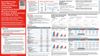
research Baricitinib Provides Higher Efficacy in Adolescents Relative to Adults With Alopecia Areata Despite More Severe Disease at Baseline: 36-Week Outcomes From BRAVE-AA Trials
Baricitinib works better in adolescents than adults for treating severe alopecia areata.
research Activated Polyamine Catabolism Depletes Acetyl-CoA Pools and Suppresses Prostate Tumor Growth in TRAMP Mice
Overexpressing SSAT enzyme reduces prostate tumor growth in mice.
research The Role of the Athletic Trainer in Providing Care to Transgender and Gender-Diverse Patients: Considerations for Medical Affirmation—Part II
Athletic trainers should understand and support the medical needs of transgender and gender-diverse patients.
research Successful treatment of severe diffuse alopecia areata with abrocitinib
Abrocitinib effectively treats severe alopecia areata with significant improvement and no side effects.
research Cytotoxicity of bendamustine, alone and in combination with novel agents, toward adult T-cell leukemia cells
Bendamustine combined with tucidinostat may effectively treat adult T-cell leukemia.
research Table_2.docx
Androgen suppression therapy (AST) doesn't significantly lower bladder cancer risk, but using finasteride, a type of AST, might decrease the risk. AST also lessens the chance of cancer coming back but doesn't really affect survival rates. More research is needed to understand AST's benefits for different bladder cancers.
research Androgen Deprivation Therapy in Prostate Cancer: Focusing on Sexual Side Effects
Androgen Deprivation Therapy for prostate cancer often reduces sexual function but intermittent therapy may be more tolerable.
research Daily subcutaneous testosterone for management of testosterone deficiency
Daily subcutaneous testosterone effectively restores testosterone levels in men.
research Antibody Drug Conjugates
Antibody drug conjugates show promise in targeting cancer cells while reducing harm to healthy cells.
research Expanding the phenotype: Four new cases and hope for treatment in Bachmann‐Bupp syndrome
Four new cases of Bachmann-Bupp syndrome suggest potential for targeted treatment.
research A Retrospective Cohort Study of Transgender Adolescents' Gender-Affirming Hormone Discontinuation
Most transgender adolescents continued hormone treatment, with few stopping due to reasons other than returning to their birth gender.