July 2025 in “Journal of Investigative Dermatology” Reduced AhR signaling in HS tunnels leads to persistent inflammation and microbial imbalance.
1 citations
,
November 2025 in “American Journal of Clinical Dermatology” Ritlecitinib is generally safe for long-term use in treating alopecia areata.
8 citations
,
June 2023 in “European Journal of Endocrinology” The inhibitor affects androgen metabolism but not ovarian function.
19 citations
,
August 2023 in “Journal of Dermatological Treatment” Abrocitinib may effectively treat stubborn alopecia universalis.
 March 2023 in “Translational Andrology and Urology”
 5-alpha reductase inhibitors, like finasteride and dutasteride, are used for prostate issues, hair loss, and excessive hair growth, may help with COVID-19, but can cause sexual and mental health side effects, and their use in preventing prostate cancer needs more examination.
 1 citations
,
May 2025 in “The Journal of Rheumatology”
1 citations
,
May 2025 in “The Journal of Rheumatology” Upadacitinib may help treat difficult cases of systemic lupus erythematosus.
3 citations
,
August 2017 in “Dermatologic therapy” UVA-1 phototherapy might help treat alopecia areata.
 56 citations
,
December 2011 in “The Plant Journal”
56 citations
,
December 2011 in “The Plant Journal” AGD1 is important for root hair development in Arabidopsis, working with phosphoinositide signaling and the actin cytoskeleton.
1 citations
,
August 2021 in “Journal of Investigative Dermatology” ASLAN004 was safe and well-tolerated, supporting further development for treating certain diseases.
January 2007 in “日本看護学会抄録集 成人看護1” Certain amino acids in 5AR1 and 5AR2 are crucial for binding and resistance to Finasteride.
2 citations
,
September 2024 in “Internal Medicine Journal” Upadacitinib helped regrow hair and maintain ulcerative colitis remission.
 1 citations
,
August 2021 in “Journal of The American Academy of Dermatology”
1 citations
,
August 2021 in “Journal of The American Academy of Dermatology” Baricitinib was effective in treating both early and late onset alopecia areata.
10 citations
,
September 2024 in “Life” Abrocitinib shows promise for treating various skin conditions beyond atopic dermatitis.
 184 citations
,
February 2015 in “EBioMedicine”
184 citations
,
February 2015 in “EBioMedicine” A patient with Alopecia Areata had complete hair regrowth after using the drug baricitinib.
 November 2025 in “Mendeley Data”
 Using 5-alpha reductase inhibitors may lower prostate cancer risk in people with androgenetic alopecia.
12 citations
,
December 2011 in “Journal of Dermatological Science” The C-terminal tail of AHF/trichohyalin is essential for organizing keratin filaments in keratinocytes.
September 2022 in “Zenodo (CERN European Organization for Nuclear Research)”  6 citations
,
February 2023 in “Journal of nanobiotechnology”
6 citations
,
February 2023 in “Journal of nanobiotechnology” The new anti-acne treatment HA-P5 effectively reduces acne by targeting two key receptors and avoids an enzyme that can hinder treatment.
 20 citations
,
August 2005 in “Journal of Cutaneous Pathology”
20 citations
,
August 2005 in “Journal of Cutaneous Pathology” The protein ARA70/ELE1 is involved in male pattern baldness, and lower levels of its short form may lead to hair thinning.
 February 2026 in “Mendeley Data”
 Using 5-alpha reductase inhibitors may lower prostate cancer risk in people with androgenetic alopecia.
March 2025 in “Journal of Investigative Dermatology” January 2025 in “Dermatologic Therapy” Alopecia areata patients don't have increased atherosclerosis risk, but may have higher cardiovascular risk due to smoking, blood sugar, and blood pressure.
 7 citations
,
January 2013 in “European Urology”
7 citations
,
January 2013 in “European Urology” 5-Alpha reductase inhibitors may prevent prostate cancer but are not widely used due to concerns about trial relevance and potential risks, and more research is needed to confirm long-term benefits.
 7 citations
,
July 2020 in “Immunological Investigations”
7 citations
,
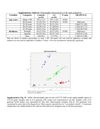
July 2020 in “Immunological Investigations” The rs231775 genetic variant is linked to a higher risk and severity of Alopecia Areata in males.
October 2002 in “Atherosclerosis Supplements” LDL apheresis lowers inflammation and cardiovascular risk by reducing CRP levels long-term.
2 citations
,
May 2025 in “Journal of Clinical Medicine” Upadacitinib is safe and effective for treating alopecia areata and atopic dermatitis in children.
January 2024 in “Pharmacoepidemiology” Patients with rheumatoid arthritis using tofacitinib had more serious side effects than those with alopecia areata.
January 2026 in “Clinical and Experimental Dermatology” Ruxolitinib helped a patient with alopecia areata regrow hair.
Baricitinib effectively treats alopecia areata, with over half of patients improving after 52 weeks.
 April 2018 in “Journal of Investigative Dermatology”
 People with alopecia areata have higher levels of a heart disease marker in their blood.