 April 2023 in “Cancer research”
 KRTAP2-3 could help predict cancer recurrence by identifying specific cancer cells.
 June 2023 in “Brazilian Journal of Case Reports”
 Botulinum Toxin Type A delivered through the skin may be a promising treatment for Frontal Fibrosing Alopecia.
 1 citations
,
October 2023 in “Clinical, cosmetic and investigational dermatology”
1 citations
,
October 2023 in “Clinical, cosmetic and investigational dermatology” Tofacitinib improved hair loss and skin symptoms in a patient after secukinumab caused hair loss.
 5 citations
,
January 2009
5 citations
,
January 2009 Betamethasone is more effective than Tacrolimus and soft paraffin for hair regrowth in patchy alopecia areata.
 November 2022 in “Journal of Investigative Dermatology”
 Fish-derived collagen may help hair grow longer and affect hair stem cells, while bovine collagen could benefit hair stem cell maintenance, potentially aiding in hair loss conditions.
February 2019 in “Chin J Injury Repair and Wound Healing(Electronic Edition)” Porcine acellular dermal matrix helps hair growth by boosting specific proteins and signals.
 June 2026 in “Dermatology and Therapy”
 Botulinum toxin type A effectively reduces pain in hair loss disorders.
288 citations
,
January 2001 in “Journal of Biological Chemistry” Tgm2 helps stabilize dying cells and aids fibroblast attachment to the extracellular matrix.
 1 citations
,
December 2014 in “Klinik Psikofarmakoloji Bülteni-Bulletin of Clinical Psychopharmacology”
1 citations
,
December 2014 in “Klinik Psikofarmakoloji Bülteni-Bulletin of Clinical Psychopharmacology” Adding aripiprazole to the treatment improved hair-pulling symptoms in a teenager.
 January 2020 in “bioRxiv (Cold Spring Harbor Laboratory)”
 Semecarpus anacardium leaf extracts may offer safe, effective cancer treatment alternatives.
January 2004 in “Linchuang pifuke zazhi” All-trans retinoic acid helps amelanotic melanocytes in hair follicles develop and produce pigment while reducing their growth.
195 citations
,
December 2009 in “Journal of Investigative Dermatology” Free fatty acids in sebum boost skin's defense against acne by increasing antimicrobial peptides.

4-Aminopyridine gel speeds up burn wound healing and improves skin regeneration.
324 citations
,
May 2002 in “Oncogene” 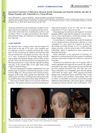 24 citations
,
June 2016 in “Acta dermato-venereologica”
24 citations
,
June 2016 in “Acta dermato-venereologica” Tofacitinib helped a young woman's severe hair loss and arthritis but not her plaque psoriasis.
 49 citations
,
August 1996 in “The Journal of Clinical Endocrinology and Metabolism”
49 citations
,
August 1996 in “The Journal of Clinical Endocrinology and Metabolism” The combination of cyproterone acetate and testosterone enanthate is highly effective in preventing sperm production and could be a good reversible male contraceptive.
4 citations
,
August 2025 in “Journal of Food Science” Tremella fuciformis polysaccharide has many health benefits and potential uses in food, medicine, and cosmetics.
48 citations
,
June 2000 in “Japanese Journal of Cancer Research” Dimethylarsinic acid speeds up skin tumor growth in certain mice.
A molecule called α-ketobutyrate was found to extend lifespan and improve aging-related symptoms in worms and mice by activating certain cellular pathways and may help develop anti-aging treatments for humans.
 May 2025 in “Experimental Dermatology”
 Triphenylphosphine oxide can increase oil production and reduce inflammation in skin cells without affecting TRPM5.
66 citations
,
July 2010 in “Journal of Proteome Research” Trichohyalin may trigger the immune response causing alopecia areata.
 March 2025 in “International Journal of Trichology”
 The combined treatment improved hair growth and scalp health in a patient with scalp alopecia from birth.
 2 citations
,
September 2022 in “Composites Part B: Engineering”
2 citations
,
September 2022 in “Composites Part B: Engineering” Pacific oyster peptides may help wounds heal without scars.
July 2024 in “International journal of agriculture and food sciences research.” The new fish peptide conditioner significantly improves and repairs damaged hair better than a commercial wheat protein conditioner.
1 citations
,
December 2016 in “Rossijskij žurnal kožnyh i veneričeskih boleznej” A new treatment using unactivated platelet leukocyte autoplasma cured 80% of non-scarring alopecia patients.
 10 citations
,
February 2013 in “British Journal of Dermatology”
10 citations
,
February 2013 in “British Journal of Dermatology” Thyrotropin-releasing hormone may help control skin and hair growth and could aid in treating related disorders.
July 2022 in “Journal of Investigative Dermatology” Arg1+ macrophages may play a role in Alopecia Areata, offering new treatment targets.
16 citations
,
April 1998 in “Journal of Investigative Dermatology” ACTH promotes hair growth in mink, but α-MSH does not.
3 citations
,
June 2025 in “Journal of Cellular and Molecular Medicine” CuATSM speeds up wound healing and reduces scarring.
December 2022 in “Biochemical and Biophysical Research Communications” HtrA2 activity is crucial for normal hair growth by regulating fat cell development.